Licensed professional counselors
Counselors who work with Bipolar
2,576 counselors list bipolar among the topics they work with. All offer sessions online, and every profile shows the license, its state and the NPI as the counselor lists them.
On this page you'll find profiles of therapists who specialize in bipolar care, with information on their approaches, credentials, languages, and focus areas. Browse the listings below to compare how practitioners describe their work and to begin exploring potential matches.


Hannah Strength
LPC
Licensed Professional Counselor - Mood and Trauma
- Bipolar
- Stress, Anxiety
- Trauma and abuse


Dr. Beverley Taylor
LPC
Licensed Professional Counselor - Relationship and Anxiety
- Bipolar
- Stress, Anxiety
- Addictions



Yvette Medina
LCPC
Licensed Clinical Professional Counselor - stress and addiction
- Bipolar
- Stress, Anxiety
- Addictions

Cassie Holmes
LPC
Licensed Professional Counselor - Anxiety and Trauma
- Bipolar
- Stress, Anxiety
- Trauma and abuse

Dr. Lisa Daniel
LPC
Licensed Professional Counselor - Stress and Relationship Concerns
- Bipolar
- Stress, Anxiety
- Relationship

Lorraine Helferich
LCPC
Licensed Clinical Professional Counselor - trauma and anxiety
- Bipolar
- Stress, Anxiety
- Trauma and abuse

Maddisson Elizardo
LPC
Licensed Professional Counselor - Anxiety and Addictions
- Bipolar
- Stress, Anxiety
- Addictions

April Vandiver
LPC
Licensed counselor for anxiety and relationships
- Bipolar
- Stress, Anxiety
- Relationship




Maurice Pritchard
LCPC
Licensed Clinical Professional Counselor - Stress and Trauma
- Bipolar
- Stress, Anxiety
- Trauma and abuse



Olga Watts-Smith
LCPC
Licensed Clinical Professional Counselor - Mood and Relationships
- Bipolar
- Stress, Anxiety
- Relationship




Melinda Johnson
LPC
Licensed Professional Counselor - Anxiety and Trauma
- Bipolar
- Stress, Anxiety
- Trauma and abuse

Dr. Tess DeProw
LPC
Licensed Professional Counselor - Addictions and Mood Concerns
- Bipolar
- Addictions
- Relationship

Prof. Michael McGaugh
LPC
Licensed counselor - stress and relationships
- Bipolar
- Stress, Anxiety
- Family




Hillary Cromartie
LPC
Licensed Professional Counselor - anxiety and depression
- Bipolar
- Stress, Anxiety
- Anger

Vionnette Maldonado
LPC
Licensed counselor - anxiety and relationships
- Bipolar
- Stress, Anxiety
- Relationship

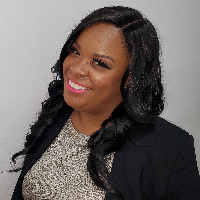
Ericka Ferrias
LPC
Licensed counselor - anxiety and depression
- Bipolar
- Stress, Anxiety
- Trauma and abuse


Lisa Travis-Johnson
LPC
Licensed Professional Counselor - Addictions and Trauma
- Bipolar
- Addictions
- Trauma and abuse

Shelle Savill
LPC
Licensed Professional Counselor - Mood and relationship concerns
- Bipolar
- Stress, Anxiety
- Addictions

Cynthia Daley
LPC
Licensed Professional Counselor - Trauma and Mood Concerns
- Bipolar
- Stress, Anxiety
- Trauma and abuse



James Wade
LPC
Licensed Professional Counselor - Stress and Relationships
- Bipolar
- Stress, Anxiety
- Relationship

James Herrington
LPC
Licensed Professional Counselor - trauma and relationships
- Bipolar
- Stress, Anxiety
- Relationship


Carolyn Presnall
LCSW, LPC
Licensed counselor - stress and family issues
- Bipolar
- Stress, Anxiety
- Family

Rhonda Piazza
LPC
Licensed counselor - addictions and mood concerns
- Bipolar
- Stress, Anxiety
- Addictions

Monica Amaro
LPC
Licensed Professional Counselor - Mood and Stress
- Bipolar
- Stress, Anxiety
- Trauma and abuse




Justin Alexander
LPC
Licensed Professional Counselor - Stress and Anxiety
- Bipolar
- Stress, Anxiety
- Family
Some links on this page are partner links. We will earn a commission if you sign up through one, at no cost to you. It does not change what you pay or the order of the listings.
Understanding bipolar and how it commonly affects you
Bipolar is a mood condition that often involves shifts between depressive episodes and periods of elevated mood, which may be described as hypomania or mania depending on intensity. Those shifts can influence your sleep, energy, thinking, motivation, relationships, and ability to manage daily responsibilities. For some people mood changes are gradual and predictable, while for others they feel abrupt and disorienting. Because symptoms vary widely from person to person, your experience may not match what you read about in general descriptions, and that is a normal part of the condition.
Living with bipolar can mean navigating unpredictability in work, school, and family life. You may find that moods affect your judgment about finances or relationships, or that low-energy periods make it hard to follow through on plans. Many people describe an emotional toll that extends beyond symptoms themselves - the stress of managing episodes, worrying about stigma, or coping with the side effects of treatment can all shape daily life. Therapy can help you build skills for stabilization, communication, and planning that fit how you live.
Signs that you might benefit from therapy for bipolar
You might consider therapy if mood shifts are interfering with your goals, safety, or relationships. If depressive episodes last long enough to disrupt your sleep, appetite, or concentration, or if periods of elevated mood include impulsive decisions, racing thoughts, or a decreased need for sleep, those are indicators that focused support could help. Therapy is also useful when you notice patterns - for example, mood changes tied to life events, work stress, or seasonal shifts - because identifying patterns can guide practical strategies to reduce disruption.
Even when symptoms are less acute, therapy can be valuable if you want to improve your understanding of mood triggers, refine coping strategies, or strengthen communication with partners and family members. You might seek therapy to learn how to track mood changes effectively, manage stressors that precipitate episodes, prepare for transitions like starting a new job, or coordinate care with a prescriber. Therapy is a place to process the emotional impact of the condition, develop relapse plans, and build a toolbox of routines and strategies that support day-to-day stability.
What to expect in therapy sessions focused on bipolar
Therapy for bipolar typically blends symptom-focused work with broader emotional and practical support. In your first sessions you can expect to discuss your history of mood changes, any current symptoms, how they affect your life, and your short and long-term goals. A therapist will often ask about sleep, substance use, relationships, stressors, and any medications or other treatments you are using so they have a full picture. This intake process is a chance for you to describe what you want from therapy and for the therapist to explain how they approach bipolar-related care.
Ongoing sessions usually combine education about mood regulation, monitoring tools such as mood charts or activity logs, and skill-building to manage stress, interpersonal conflict, or disruptive thinking patterns. You may work on stabilizing routines around sleep and activity, practicing communication strategies with loved ones, and developing plans to address early warning signs of episodes. Therapy often includes collaborative problem solving so you can tailor strategies to your daily life. Some people also use sessions to work through the emotional aftermath of past episodes, process trauma, or address co-occurring concerns like anxiety or relationship strain.
Common therapeutic approaches used for bipolar
Therapists take different approaches to bipolar care, and many will combine elements from several methods to meet your needs. Cognitive behavioral approaches are commonly listed because they focus on identifying thought patterns that affect mood and behavior, and on building practical coping skills. Interpersonal and rhythm-based approaches emphasize stabilizing daily routines, sleep patterns, and social rhythms that influence mood stability. Therapists who list these approaches among their methods may help you create consistent schedules and habits that reduce the intensity or frequency of mood shifts.
Some therapists describe integrating family-focused work to help partners and family members understand mood patterns and support relapse prevention. Others may include acceptance-based strategies to help you live a meaningful life even when symptoms fluctuate. You may also find therapists who list mindfulness or stress-reduction practices among their approaches to help manage emotional reactivity. It is common to coordinate therapy with psychiatric care when medication management is part of your plan; therapists often work with prescribers to align goals and communicate about progress when you consent to that collaboration. When reviewing profiles, look at how each therapist describes their approach and whether they mention working with mood conditions specifically, because that can indicate how they talk about treatment in sessions.
How online therapy works for bipolar and tips for choosing the right therapist
How online therapy works
Online therapy can provide access to therapists who list bipolar among their specialties, offering video, phone, or message-based sessions that fit into your routine. Many people find online sessions convenient for keeping continuity during life transitions or when travel or mobility are barriers. In remote sessions you can still engage in the same types of work you would in person - education about mood management, cognitive and behavioral techniques, interpersonal skills training, and relapse planning. Some people choose remote care to coordinate among providers in different locations, which can make it easier to align therapy with medication management or community resources.
If you opt for online work, think about the practicalities that affect a good therapy experience. Reliable internet or phone access, a consistent personal setting where you feel comfortable speaking, and a device with adequate audio and video can make sessions more effective. It is also helpful to clarify how the therapist handles communication between sessions, what form of remote contact they use, and how they approach emergency planning if you experience a crisis. These logistical details shape how therapy will fit into your life and how responsive the process feels when mood changes occur.
Tips for choosing the right therapist for bipolar
When you review listings, focus on fit factors that matter most to you. Consider which approaches a therapist lists and whether those align with your preferences for skills-based work, interpersonal focus, or emotional processing. Pay attention to how practitioners describe their experience with mood conditions, what communication styles they use, and the populations they work with - for example adults, young adults, or couples. Languages spoken and cultural competency can also be important if you want to work with someone who understands your background and life context.
It helps to have an idea of your goals before you make contact. You might prioritize stabilizing routines, improving relationships affected by mood shifts, or developing a plan for early warning signs. Look for therapists who express a collaborative stance and who mention working with clients to build personalized plans. If coordinating with a prescriber is part of your care, seek a therapist who notes experience collaborating with medical professionals. Finally, trust your experience in the first few sessions - therapy is a relationship, and feeling heard, respected, and understood is often the clearest sign that a therapist could be a good match for your needs.
Finding the right therapist for bipolar care can take time, but understanding common approaches and what to expect helps you make informed choices. Use the listings on this page to compare how therapists describe their work, read practitioner profiles for details about focus areas and approaches, and choose someone whose style aligns with your goals for stability and wellbeing.