Licensed professional counselors
Counselors who work with Family
4,199 counselors list family among the topics they work with. All offer sessions online, and every profile shows the license, its state and the NPI as the counselor lists them.
Find licensed family therapists who work with couples, parents, children, and blended households to address communication, conflict, and life transitions. Browse the listings below to review approaches, credentials, languages, and areas of experience.


Dr. Michael Cundiff
LPC
Licensed Professional Counselor - stress and relationships
- Family
- Stress, Anxiety
- Relationship

Hannah Strength
LPC
Licensed Professional Counselor - Mood and Trauma
- Family
- Stress, Anxiety
- Trauma and abuse

Dr. Beverley Taylor
LPC
Licensed Professional Counselor - Relationship and Anxiety
- Family
- Stress, Anxiety
- Addictions


Dr. Melody Allen
LPC, LMFT
Licensed counselor - relationships and anxiety
- Family
- Stress, Anxiety
- Relationship


Larry Ivery
LPC
Licensed Professional Counselor - Trauma and Anxiety
- Family
- Stress, Anxiety
- Addictions

Yvette Medina
LCPC
Licensed Clinical Professional Counselor - stress and addiction
- Family
- Stress, Anxiety
- Addictions

Dr. Lisa Daniel
LPC
Licensed Professional Counselor - Stress and Relationship Concerns
- Family
- Stress, Anxiety
- Relationship

Lorraine Helferich
LCPC
Licensed Clinical Professional Counselor - trauma and anxiety
- Family
- Stress, Anxiety
- Trauma and abuse


Maddisson Elizardo
LPC
Licensed Professional Counselor - Anxiety and Addictions
- Family
- Stress, Anxiety
- Addictions



April Vandiver
LPC
Licensed counselor for anxiety and relationships
- Family
- Stress, Anxiety
- Relationship


Joan Holmes
LPC
Licensed Professional Counselor - stress and family concerns
- Family
- Stress, Anxiety
- Trauma and abuse




Patrice Harris
LPC
Licensed counselor - life transitions and mood concerns
- Family
- Stress, Anxiety
- Grief


Maurice Pritchard
LCPC
Licensed Clinical Professional Counselor - Stress and Trauma
- Family
- Stress, Anxiety
- Trauma and abuse


Jaqulyn Tasker
LPC
Licensed Professional Counselor - Stress and Relationships
- Family
- Stress, Anxiety
- Relationship


Heather Alexander
LPC
Licensed counselor - stress and relationships
- Family
- Stress, Anxiety
- Relationship


Sharla "Charlie" Harrison
LPC
Licensed Professional Counselor - Trauma and Mood Concerns
- Family
- Stress, Anxiety
- Trauma and abuse

Keesha Turner
LPC
Licensed Professional Counselor - Relationships and Trauma
- Family
- Stress, Anxiety
- Relationship


Susanna Cheatham
LPC
Licensed Professional Counselor - Relationships and Anxiety
- Family
- Stress, Anxiety
- Relationship

Melinda Johnson
LPC
Licensed Professional Counselor - Anxiety and Trauma
- Family
- Stress, Anxiety
- Trauma and abuse

Robert Nijjar
LPC
Licensed Professional Counselor - Stress and Life Changes
- Family
- Stress, Anxiety
- Addictions

Dr. Tess DeProw
LPC
Licensed Professional Counselor - Addictions and Mood Concerns
- Family
- Addictions
- Relationship

Arnold Lavaire
LCPC, LPC
Licensed counselor - stress and relationships
- Family
- Stress, Anxiety
- Relationship

Prof. Michael McGaugh
LPC
Licensed counselor - stress and relationships
- Family
- Stress, Anxiety
- Trauma and abuse

Callyncia Lanaux
LPC
Licensed Professional Counselor - Stress and Body Image
- Family
- Stress, Anxiety
- Self esteem





Hillary Cromartie
LPC
Licensed Professional Counselor - anxiety and depression
- Family
- Stress, Anxiety
- Anger

Vionnette Maldonado
LPC
Licensed counselor - anxiety and relationships
- Family
- Stress, Anxiety
- Relationship

Aubrey Cannon
LCPC, LPC
Licensed counselor - Depression and anxiety
- Family
- Stress, Anxiety
- Relationship

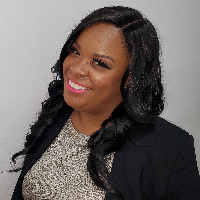
Ericka Ferrias
LPC
Licensed counselor - anxiety and depression
- Family
- Stress, Anxiety
- Trauma and abuse
Some links on this page are partner links. We will earn a commission if you sign up through one, at no cost to you. It does not change what you pay or the order of the listings.
Understanding Family and How It Shapes Your Life
Family is the system of relationships that most often frames how you learn to relate, communicate, and manage stress. That system can include people related by blood, marriage, adoption, cohabitation, or long-term bonds. Your family history influences expectations about roles, emotional expression, problem solving, and boundaries. When relationships run smoothly, family can be an anchor. When conflict, loss, or change occurs, the same network can feel overwhelming or limiting. You may notice patterns that repeat across generations, such as ways of coping with anger, avoidance of difficult topics, or rigid roles that leave some members carrying more responsibility.
These dynamics matter because they affect daily life - how you parent, how you work with a partner, how you handle transitions like separation, remarriage, or a new child. Even when an issue appears to belong to one member, the system tends to respond. That is why many people seek family-focused therapy: to shift patterns, improve connection, and build practical skills that change how the family moves forward. Therapy for family work often treats relationships as the client, not just an individual, so the focus is on interaction, history, and the expectations each person brings.
Signs You Might Benefit from Family Therapy
You might consider family therapy when patterns are causing persistent strain, when communication has deteriorated, or when conflict seems stuck. If arguments escalate quickly, if you avoid one another, or if a child’s behavior is a constant source of stress, those are common reasons people look for family-focused support. Significant life changes such as divorce, remarriage, the arrival of a new child, a major illness, or relocation can leave you needing new ways to negotiate roles and responsibilities. You may also seek assistance when parenting approaches clash, when stepfamily integration is proving harder than expected, or when emotional distance grows between partners.
Sometimes the signs are more subtle - you may feel chronically drained after family interactions, notice repetitive hurtful comments, or experience anxiety about bringing up important topics. If one person’s struggles - such as substance use, anxiety, or mood changes - are affecting the whole household, family therapy can create a space to address how everyone is impacted. Choosing to explore therapy does not mean you or your family have failed; it often means you want a different, healthier way of relating and are ready to make gradual changes that can improve daily life.
What to Expect in Family Therapy Sessions
The First Meetings and Goal Setting
Your initial sessions typically focus on identifying concerns, mapping relationship patterns, and setting shared goals. The therapist will ask about family history, current conflicts, daily routines, and what each person hopes will change. You can expect a collaborative discussion about what matters most to the members present. The therapist will listen for interactional patterns - who interrupts whom, how decisions get made, and how emotion is expressed. This assessment helps create a plan that reflects the family’s priorities and cultural values.
Therapeutic Process and Homework
Therapy often alternates between observation of interactions, direct communication coaching, and guided exercises you try between sessions. Sessions may include whole-family conversations, dyadic work with two members, or individual check-ins to address personal concerns that affect the family. You might practice new communication strategies, experiment with role changes, or develop clearer routines for conflict resolution. Homework assignments are common and are intended to help transfer skills from the session into everyday life. Over time, the aim is to reduce reactivity, increase mutual understanding, and replace unhelpful patterns with more adaptive ways of relating.
Common Therapeutic Approaches Used for Family Work
Family therapists draw from multiple approaches to tailor work to your situation and goals. Systems-oriented models focus on interaction patterns and roles, helping you see how behavior by one person influences others. Attachment-informed approaches explore how early relationship experiences shape current bonds and emotional availability. Cognitive-behavioral ideas may be used to identify and shift thinking patterns that fuel conflict, while emotion-focused methods help members express and process feelings so connection can deepen. Play-based techniques are often used with younger children to help them communicate without relying solely on words.
You may also find therapists who list narrative practices among their approaches, which help you reframe the family story and distinguish problems from people. For families affected by past trauma, some therapists list trauma-informed frameworks or tools such as EMDR among their approaches; when that is the case, they typically integrate those tools into a broader plan that considers safety and pacing. Because therapists describe their methods differently, it is useful to read profiles to understand which approaches practitioners mention and how they explain those approaches in relation to family work.
How Online Family Therapy Works
Online family therapy makes it possible for members to participate from separate locations or to fit sessions into busy schedules. Sessions are usually conducted via video conferencing, which allows the therapist to observe interaction and body language while guiding conversation. Some families combine in-person and online meetings depending on what works best. You should plan for a quiet, comfortable environment where everyone can join without interruptions and with reasonable internet connection. Therapists may suggest ways to set up the camera so they can see multiple participants and recommend short technology checks at the start of each session to minimize disruptions.
Online work can broaden access to specialists who have experience with blended families, parenting differences, or cultural issues. It also supports follow-up conversations between sessions, structured check-ins, and the sharing of worksheets or video models through supported practice tools. When you choose online sessions, be sure to ask how a therapist manages session structure, how they include children or teens appropriately, and how they handle situations that may require safety planning or local referrals. Good remote therapy balances practical needs with the relational goals you set together.
Choosing the Right Family Therapist for Your Needs
When you look through listings, focus on the therapist’s stated focus areas, the family issues they describe, their approach to involving children and teens, and the languages they speak. Consider whether you prefer someone who emphasizes interactional work, emotional processing, behavioral strategies, or a blend of methods. Think about cultural competence and whether the therapist notes experience with the identities and family constellations similar to yours. It is reasonable to look at graduate credentials and licensure, which indicate professional standards and scope of practice, while recognizing that profiles reflect how therapists choose to present their work.
Comfort and rapport matter a great deal in family therapy, so notice how a practitioner describes their style - whether they take a directive coaching role, a reflective stance, or a combination. Ask about session length, how they structure family versus individual time, and what kinds of between-session work they suggest. If children are involved, inquire about experience with developmental stages and play-based methods. Finally, think about logistical fit - such as session format, fee options, and whether the therapist lists insurance or payment methods they accept. Taking time to match on approach, values, and communication style increases the likelihood that you will get the kind of support your family is seeking.
Family-focused therapy is a practical option for people who want to change recurring patterns, improve connection, and develop clearer ways of living together. By understanding how relationships function, recognizing signs that change is needed, and choosing an approach that fits your family’s culture and goals, you can create new ways of relating that reduce conflict and increase support. Use the listings above to explore profiles and find a therapist whose described focus and methods resonate with what your family needs.