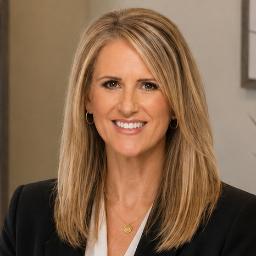
Dr. Michael Cundiff
LPC
Licensed Professional Counselor - stress and relationships
- Stress, Anxiety
- Relationship
- Family
Licensed professional counselors
1,447 counselors list ocd among the topics they work with. All offer sessions online, and every profile shows the license, its state and the NPI as the counselor lists them.
This directory page lists therapists who include obsessive-compulsive disorder among their specialties. Use the listings below to review approaches, credentials, languages, and experience related to OCD care.
Browse profiles to find a therapist whose methods and background match what you want to work on.
LPC
Licensed Professional Counselor - stress and relationships
LPC
Licensed Professional Counselor - Mood and Trauma
LPC
Licensed Professional Counselor - Relationship and Anxiety
LPC
Licensed counselor - anxiety and relationships
LCPC
Licensed Clinical Professional Counselor - stress and addiction
LPC
Licensed Professional Counselor - Stress and Relationship Concerns
LCPC
Licensed Clinical Professional Counselor - trauma and anxiety
LPC
Licensed counselor - anxiety and trauma
LPC
Licensed Professional Counselor - Stress and Trauma
LPC
Licensed Professional Counselor - stress and family concerns
LPC
Licensed counselor - anxiety and relationships
LCPC
Licensed counselor - mood and relationships
LPC
Licensed Professional Counselor - Relationships and Trauma
LPC
Licensed Professional Counselor - Anxiety and Mood
LPC
Licensed counselor - anxiety and relationships
LPC
Licensed counselor - stress and relationships
LCPC
Licensed Clinical Professional Counselor - Mood and stress care
LPC, LCPC
Licensed counselor - mood and behavior
LPC
Licensed counselor - stress and addiction focus
LPC
Licensed Professional Counselor - Mood and relationship concerns
LPC
Licensed Professional Counselor - Stress and Relationships
LCSW, LPC
Licensed counselor - stress and family issues
LCPC
Licensed counselor - stress and relationships
LPC
Licensed Professional Counselor - Anxiety and Trauma
LPC
Licensed counselor - relationships and mood
LPC
Licensed Professional Counselor - stress and anxiety
LPC
Licensed Professional Counselor - Stress and trauma focused
LMFT, LPC
Licensed counselor - anxiety and relationships
LPC
Licensed Professional Counselor - Anxiety and Trauma
LPC
Licensed counselor - relationship and mood concerns
LPC
Licensed Professional Counselor - Stress and Addictions
LMHC, LPC
Licensed counselor - trauma and relationships
LPCC
Dr. Julie McCune - Licensed Professional Counselor focusing on anxiety and relationships
LPC
Licensed counselor - anxiety and trauma
LPC, LCPC
Licensed counselor - stress and relationships
LPC
Licensed Professional Counselor - Stress and Relationships
LCPC
Licensed Clinical Professional Counselor - Anxiety and Addiction
LCPC
Licensed Clinical Professional Counselor - Family and Life Changes
LCPC
Licensed Clinical Professional Counselor - Relationships and Stress
LCPC
Licensed Clinical Professional Counselor - Anxiety and Mood
Some links on this page are partner links. We will earn a commission if you sign up through one, at no cost to you. It does not change what you pay or the order of the listings.
Obsessive-compulsive disorder, often shortened to OCD, involves repetitive thoughts, urges, or images that feel intrusive and distressing, along with behaviors or mental acts performed in response to those experiences. You might notice persistent worries about contamination, safety, symmetry, or harm, or recurring mental rituals meant to neutralize upsetting thoughts. For many people these patterns become time-consuming and interfere with work, relationships, or daily routines. The compulsive behaviors can feel necessary in the moment, even as they create frustration, exhaustion, or avoidance of situations that trigger the cycle.
OCD shows up differently from person to person. Some people primarily experience overt rituals like checking, washing, or ordering. Others have mostly mental rituals such as repeating phrases, counting, or silently neutralizing thoughts. You might also encounter avoidance patterns where you avoid situations that could trigger obsessions. Understanding the common forms of OCD can help you recognize how it shows up in your life and clarify what you want to address in therapy.
Because OCD often comes with shame or confusion, it may be hard to talk about symptoms at first. Many people benefit from seeing a professional who understands the ways obsessive thoughts and compulsive responses can become self-reinforcing, and who can help you develop strategies to reduce the grip those patterns have on your daily life.
If your thoughts or behaviors take up a lot of time, cause significant distress, or interfere with responsibilities or relationships, talking with a therapist could be helpful. You might notice that you spend hours on repetitive checking, cleaning, or arranging, or that you avoid people, places, or activities to prevent triggers. Intrusive thoughts that are upsetting, shameful, or hard to dismiss, even when you know they are unlikely, are also a common reason people seek help.
Other signs that therapy may be useful include feeling stuck in a cycle of relief followed by renewed anxiety, using rituals to feel momentarily safe but then needing to repeat them, or experiencing growing avoidance that limits your life. You may also find that anxiety, depression, or relationship strain accompany obsessive-compulsive symptoms. In those cases, therapy can address both the OCD-related behaviors and the emotional impact they produce.
Deciding to look for a therapist does not require you to have a formal diagnosis. If you are unsure whether your experiences meet diagnostic criteria, a clinician can help clarify what’s happening and outline options for treatment. The first steps often involve describing your patterns, identifying what increases distress, and exploring goals you want to work toward in therapy.
When you begin working with a therapist about OCD, the initial sessions typically involve a detailed assessment of symptoms and patterns. You and the therapist will talk about the type of thoughts and behaviors that are causing difficulty, how long they have been present, and how they affect your daily functioning. This early phase helps shape a treatment plan that matches your goals and preferences.
Therapy sessions generally combine education about OCD with practical strategies you can try between appointments. You can expect discussions about how obsessions and compulsions interact, and a plan for gradually addressing behaviors that maintain the cycle. Your therapist may work with you to identify triggers, map the chain of thoughts and actions that follow, and develop manageable steps for change. Sessions often balance learning new skills with practicing them in real-life contexts so progress extends beyond the therapy room.
Therapists will usually check in about how techniques are working, adjust plans if needed, and help you build long-term coping strategies. You should feel able to raise questions about the pace of work, the types of exercises you are asked to try, and how to apply strategies in the situations that matter most to you. Collaboration and clear communication are central to shaping an approach that fits your life and values.
Several evidence-informed methods are commonly used in the treatment of OCD, and many therapists list one or more of these approaches among their offerings. Exposure and response prevention, often abbreviated as ERP, focuses on helping you face triggers without performing the usual rituals, with a gradual increase in intensity to build tolerance and reduce avoidance. Cognitive approaches address the beliefs and interpretations that make obsessions more distressing, helping you develop different ways of relating to intrusive thoughts.
Acceptance-based approaches emphasize noticing anxious thoughts without getting pulled into avoidance or rituals, teaching skills to live a meaningful life in the presence of discomfort. Mindfulness techniques can support that work by helping you observe thoughts and sensations without immediate reaction. Some therapists incorporate problem-solving and stress-management skills to address the practical consequences of OCD symptoms in daily routines.
Medication is sometimes part of a comprehensive plan, and many people work with a prescriber alongside therapy. If medication is being considered, you and your therapist can coordinate with a medical provider to discuss potential benefits and trade-offs. When reviewing therapist profiles, pay attention to whether a clinician lists exposure and response prevention, cognitive approaches, acceptance-based methods, or other modalities among their approaches, and remember that a listing indicates the approach is part of their work rather than formal verification of training.
Online therapy for OCD usually takes place through video or phone sessions that mirror in-person appointments in structure and length. You can work through the same assessments, education, and practice exercises, while using your home environment as the setting for exposure tasks when appropriate. Therapists may guide you through between-session practice, review homework, and help troubleshoot challenges as they come up. For many people, the convenience of meeting from a familiar setting makes it easier to practice exercises that target real-life triggers.
When selecting a therapist for OCD, look for clinicians who list OCD or obsessive-compulsive behaviors among their specialties and who describe approaches that resonate with you. Consider whether you prefer a therapist who emphasizes exposure and response prevention, cognitive techniques, acceptance-based strategies, or a combination. Read profile descriptions to learn about experience with presentations similar to yours - for example, contamination fears, checking rituals, or intrusive mental rituals - and note languages spoken and cultural competence when those factors matter to you.
It is appropriate to ask prospective therapists how they structure OCD-focused work, how they support clients through exposure exercises, and how they measure progress. You may also want to learn about session cadence, the role of between-session practice, and how the therapist collaborates with medical providers when medication is part of the plan. Clarify practical details that affect your experience, such as session length, communication preferences, and cancellation policies. Establishing expectations up front helps you assess the working fit.
Prepare for online therapy by ensuring you have a quiet, undisturbed place to meet and reliable internet or phone access. Bring specific examples of recent obsessions and rituals to early sessions so the therapist can understand patterns quickly. Set realistic, measurable goals with your clinician so you can track progress over time. Remember that change often occurs in gradual steps, and consistent practice of skills outside of sessions is a key part of most OCD treatment plans.
Finally, trust your instincts about compatibility. A good therapeutic fit involves feeling understood, respected, and able to collaborate on a plan that aligns with your values. If a therapist lists approaches that match what you want to try and you feel comfortable with their style, that combination can provide a productive foundation for the work ahead.
Working with a clinician who understands OCD can make a meaningful difference in how you manage intrusive thoughts and rituals. Use the listings on this page to compare profiles, read about approaches, and find a therapist whose methods and experience align with the goals you want to pursue.