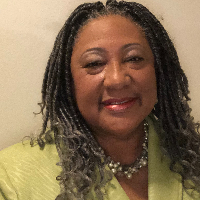
Deborah Bledsoe, LPC
Licensed in Arkansas 17 years in practice
Licensed Professional Counselor (LPC) in Arkansas with 17 years of experience, Deborah Bledsoe helps people manage stress, anxiety, addictions, depression, grief, relationship strain, parenting challenges, trauma and other life changes.
License and NPI
- LPC, Arkansas
- P1601007 · expires May 2027
- NPI
- 1861831208 · national provider identifier
- Years in practice
- 17
- Languages
- English
Details are as listed on the therapist's public professional profile. You can check any license with the state board and any NPI with the national registry.
About Deborah
Licensed Professional Counselor (LPC) in Arkansas with 17 years of experience, Deborah Bledsoe helps people manage stress, anxiety, addictions, depression, grief, relationship strain, parenting challenges, trauma and other life changes. She lists family and communication problems, anger, self-esteem, career concerns, compassion fatigue, and caregiver or aging issues among her focus areas. Sessions are conducted in English.
Deborah uses a practical, client-centered style. She listens to what a person wants to change and then works through steps to get there.
Background and approach
That can mean looking at thoughts and behaviors, talking through personal stories, or using motivation-focused conversations to support change. She emphasizes steady progress rather than quick fixes. Her work draws on several counseling approaches.
Cognitive Behavioral Therapy (CBT) is used to identify unhelpful thinking and try new behaviors. Narrative therapy helps people separate themselves from the problem by examining the stories they tell about their lives. Motivational Interviewing is used when someone is weighing change, especially around substance use.
Deborah describes herself as having an eclectic approach that is driven by client goals and readiness. She notes experience with trauma-informed care and with substance-related concerns. Her pace tends to match the person sitting in the room, moving faster or slower based on motivation and practical needs.
She trained in Arkansas and has provided counseling and substance-related services for many years. People looking for straightforward, experienced counsel on addiction, mood, grief, or life transitions may find her practical style appropriate. Prospective clients should confirm current session options before booking.
Focus areas and approaches
Everything Deborah lists on their public professional profile, in their own terms.
- Stress, Anxiety
- Addictions
- Family conflicts
- Trauma and abuse
- Depression
- Relationship issues
- Grief
- Parenting issues
- Anger management
- Self esteem
- Career difficulties
- Coping with life changes
- Compassion fatigue
- Abandonment
- Aging and geriatric issues
- Caregiver issues and stress
- Communication problems
- Coping with natural or human-caused disaster
Approaches Deborah names
- Client-Centered Therapy
- Cognitive Behavioral Therapy (CBT)
- Motivational Interviewing
- Narrative Therapy
- Psychodynamic Therapy
- Solution-Focused Therapy
- Trauma-Focused Therapy
Naming an approach is not evidence of training in it. This directory copies what each therapist lists and does not check training records.
Online support
How Deborah’s approaches translate to remote sessions
Client-Centered Therapy emphasizes listening and following the person’s priorities. In online sessions that means the conversation focuses on immediate concerns, choices, and practical next steps that the client wants to try. Cognitive Behavioral Therapy (CBT) looks at thoughts and behaviors and often uses simple exercises or worksheets to test new ways of coping, which can be done over video or phone during a session. Motivational Interviewing helps when someone is unsure about change; over remote sessions the therapist uses reflective questions and planning to move toward concrete steps for substance use or other behaviors.Deciding which approach to use is collaborative. The therapist and client talk about goals, daily realities, and what feels workable. They may try an approach for a few sessions and adjust it based on what helps most. That conversation is part of the early sessions rather than something fixed up front.
The original profile does not list specific session formats, so confirm current options before you book. In general, remote work can make it easier to fit sessions into a busy schedule, reduce travel time, and allow shorter check-ins when needed. Therapists can use conversation, short exercises, or written worksheets in remote sessions to keep the work practical and focused on change.
We will earn a commission if you sign up through our link, at no cost to you. It does not change what you pay or the order of the listings.
Questions people ask
What concerns does she address most often?
She works with stress, anxiety, addictions, depression, grief, relationship problems, parenting strain, trauma and coping with life changes.
How would you describe her therapeutic style?
She uses a client-centered approach and adapts methods to each person, combining practical techniques with conversation-driven work.
How much clinical experience does she have?
She has 17 years of experience providing counseling and substance-related services.
What are her credentials and where is she based?
She is an LPC and practices in Arkansas.
Does she offer sessions in other languages or accept international clients?
Sessions are offered in English and she does not accept international clients.
Which session formats are offered?
The original profile does not specify session formats; please confirm current online or in-person options before booking.
How are fees handled?
Cost varies with location and sessions use a subscription that can be canceled at any time.
What steps do I take to begin working with her?
Select the See online therapy options button, complete a short matching questionnaire, and schedule a first session.
More counselors licensed in Arkansas
See all
Jeremy Smith
LPC
Licensed Professional Counselor - Stress and Addictions
- Stress, Anxiety
- Addictions
- Relationship

Hazel Moon
LPC
Licensed Professional Counselor - Stress and Trauma
- Stress, Anxiety
- Addictions
- Trauma and abuse

Surnames under B · every counselor in the directory whose surname starts with B
Is this your profile?
Ask us to correct details or take the page down.
Contact us