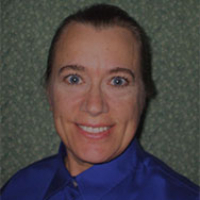
Tiffany Riley, LCPC
Licensed in Montana 22 years in practice
Licensed Clinical Professional Counselor in Montana with 22 years of experience, Tiffany Riley helps people address stress, anxiety, trauma and abuse, depression, relationship concerns, grief, parenting challenges, ADHD, and several other issues.
License and NPI
- LCPC, Montana
- BBH-LCPC-LIC-1119 · expires December 2026
- NPI
- 1669582128 · national provider identifier
- Years in practice
- 22
- Languages
- English
Details are as listed on the therapist's public professional profile. You can check any license with the state board and any NPI with the national registry.
About Tiffany
Licensed Clinical Professional Counselor in Montana with 22 years of experience, Tiffany Riley helps people address stress, anxiety, trauma and abuse, depression, relationship concerns, grief, parenting challenges, ADHD, and several other issues. She works with adults who bring a range of life and emotional problems and focuses on what each person wants to bring to sessions.
Tiffany uses straightforward conversation and practical tools to help people cope and make changes.
Background and approach
Tiffany trained at the University of Montana for her undergraduate degree and completed a Master of Science degree at the University of Great Falls. She has spent more than two decades in behavioral health settings, with the majority of that time providing therapy to individuals. That background influences a practical approach in session.
Her style is client-centered. She pays attention to what clients name as most important and works from there. She also uses cognitive behavioral ideas to spot patterns of thought that maintain distress, dialectical behavior strategies for managing intense emotions, and emotionally-focused work for relationship issues.
In sessions she emphasizes listening, validation, and building skills. Conversations move between understanding experiences and practicing ways to change reactions and behaviors. She expects work and time are needed to address deeper issues.
Tiffany says people often come ready to change once they feel heard. She helps people break complex problems into smaller steps and supports practical problem solving. Prospective clients should confirm current session formats before booking.
Focus areas and approaches
Everything Tiffany lists on their public professional profile, in their own terms.
- Stress, Anxiety
- Family conflicts
- Trauma and abuse
- Self esteem
- Depression
- Relationship issues
- Grief
- Eating disorders
- Parenting issues
- Anger management
- Bipolar disorder
- Coping with life changes
- Compassion fatigue
- ADHD
Approaches Tiffany names
- Client-Centered Therapy
- Cognitive Behavioral Therapy (CBT)
- Dialectical Behavior Therapy (DBT)
- Emotionally-Focused Therapy (EFT)
- Existential Therapy
- Mindfulness Therapy
- Motivational Interviewing
- Psychodynamic Therapy
- Solution-Focused Therapy
- Somatic Therapy
- Trauma-Focused Therapy
Naming an approach is not evidence of training in it. This directory copies what each therapist lists and does not check training records.
Online support
How her approaches translate to online sessions
Client-Centered Therapy focuses on listening and responding to what the person brings. Online sessions using this approach center conversations on the client’s concerns and priorities and help guide practical next steps.Cognitive Behavioral Therapy (CBT) looks at the links between thoughts, feelings, and actions. In an online setting this means identifying unhelpful thinking patterns during conversation and practicing new ways of responding between sessions.
Dialectical Behavior Therapy (DBT) provides concrete skills for managing intense emotions and improving distress tolerance. Online work can include teaching and rehearsing these skills, plus short check-ins to track progress.
Finding the right approach is part of the work. The therapist will discuss goals, preferences, and what has or has not helped in the past. Together they decide which methods to try and adjust the plan as needed.
The practical benefits of online sessions depend on the formats offered. Because session formats are not listed here, confirm current options before booking. Online therapy can make it easier to fit sessions into a day, allow shorter check-ins when needed, and reduce travel time. It also supports continuing skill practice between meetings and keeping work focused on specific goals.
We will earn a commission if you sign up through our link, at no cost to you. It does not change what you pay or the order of the listings.
Questions people ask
What concerns does she help with most often?
She works with stress, anxiety, trauma and abuse, depression, relationship and parenting challenges, grief, ADHD, eating issues, anger, bipolar concerns, and coping with life changes.
How would you describe her therapeutic style?
Her work is client-centered and practical. She listens for what the person brings and blends talk with skill-building from cognitive behavioral and dialectical approaches.
How much experience does she have?
She has 22 years of experience in the behavioral health field, with most of that time spent providing therapy.
What are her credentials and where is she based?
She holds the LCPC credential and practices in Montana.
Does she offer sessions in other languages or to international clients?
Sessions are offered in English and she does not accept international clients.
Which session formats are offered?
Session formats are not specified here; please confirm the current options before booking.
How does cost work for sessions?
Cost varies with location and sessions use a subscription that can be canceled at any time.
What is the first step to start therapy?
Start by selecting the See online therapy options button, complete a short matching questionnaire, and schedule a first session.
More counselors licensed in Montana
See all
Maurice Pritchard
LCPC
Licensed Clinical Professional Counselor - Stress and Trauma
- Stress, Anxiety
- Trauma and abuse
- Grief

Andrew McDalasair
LCPC
Licensed Clinical Professional Counselor - Mood and stress care
- Stress, Anxiety
- Depression
Lisa Johnson
LCPC
Licensed Clinical Professional Counselor - stress and relationships
- Stress, Anxiety
- Trauma and abuse
- Grief

Lawrence "Lance" Bischoff
LCPC
Licensed Clinical Professional Counselor - Stress and Anxiety
- Stress, Anxiety
- Relationship
- Self esteem
Surnames under R · every counselor in the directory whose surname starts with R
Is this your profile?
Ask us to correct details or take the page down.
Contact us