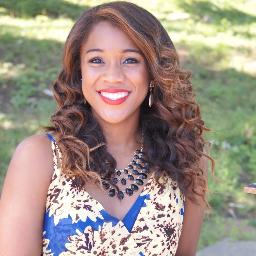
Chatia Warrick
LPCC
Licensed Professional Clinical Counselor - Trauma and Anxiety
- Stress, Anxiety
- Trauma and abuse
- Grief
Licensed professional counselors
1,845 counselors list body image among the topics they work with. All offer sessions online, and every profile shows the license, its state and the NPI as the counselor lists them.
This directory page lists therapists who include body image among their specialties, covering issues like appearance-related distress, self-esteem, and eating concerns. Browse the therapist profiles below to compare approaches, credentials, languages, and experience to find a potential match for your needs.
LPCC
Licensed Professional Clinical Counselor - Trauma and Anxiety
LPC
Licensed Professional Counselor - Mood and Trauma
LCPC
Licensed Clinical Professional Counselor - stress and addiction
LPC
Licensed Professional Counselor - Stress and Relationship Concerns
LPC
Licensed counselor - stress and trauma
LPC
Licensed Professional Counselor - Anxiety and Addictions
LPC
Licensed counselor - anxiety and trauma
LPCC
Licensed Clinical Counselor - Anxiety and Women's issues
LPC
Licensed Professional Counselor - Stress and Trauma
LPC
Licensed counselor - mood and coping issues
LMHC, LPC
Licensed counselor - mood and addiction concerns
LPC
Licensed Professional Counselor - Anxiety and Relationships
LPC
Licensed Professional Counselor - Mood and Relationship Concerns
LPC
Licensed Professional Counselor - Trauma and Mood Concerns
LPC
Licensed Professional Counselor - Relationships and Trauma
LPC
Licensed counselor - anxiety and relationships
LPC
Licensed counselor - anxiety and trauma
LPC
Licensed Professional Counselor - Stress and Body Image
LCPC
Licensed Clinical Professional Counselor - Mood and stress care
LPC, LCPC
Licensed counselor - mood and behavior
LPC
Licensed Professional Counselor - anxiety and depression
LPC
Licensed counselor - anxiety and relationships
LPC
Licensed Professional Counselor - Stress and Relationships
LPC
Licensed Professional Counselor - Addictions and Trauma
LCPC
Licensed Clinical Professional Counselor - anxiety and relationships
LPC
Licensed counselor - anxiety and relationships
LPC
Licensed Professional Counselor - relationships and anxiety
LCPC
Licensed counselor - relationships and mood
LPC
Licensed Professional Counselor - Stress and Relationships
LPC
Licensed Professional Counselor - stress and mood concerns
LPC
Licensed Professional Counselor - Relationships and Anxiety
LPC
Licensed Professional Counselor - Relationships and Stress
LCPC
Licensed counselor - stress and relationships
LPC
Licensed Professional Counselor - Anxiety and Trauma
LPC
Licensed counselor for stress and relationships
LPC
Licensed counselor - relationships and mood
LPC
Licensed Professional Counselor - Stress and Relationship Concerns
LPC
Licensed Professional Counselor - stress and anxiety
Some links on this page are partner links. We will earn a commission if you sign up through one, at no cost to you. It does not change what you pay or the order of the listings.
Body image refers to the way you think and feel about your body, including your perceptions of size, shape, appearance, and the meaning you assign to those perceptions. For many people body image is fluid - it shifts across the lifespan, across relationships, and with changing social messages. Social media, cultural ideals, family messages, and life transitions such as puberty, pregnancy, illness, or aging can all influence how you experience your body. When those influences become persistent sources of distress, they can shape daily choices, self-esteem, and the way you relate to others.
You may notice that body image concerns are not just about looks. They often connect to deeper beliefs about worth, safety, and identity. If you find yourself preoccupied with comparison, feel ashamed about eating or movement, or avoid social and sexual situations because of appearance worries, body image is likely playing a central role in how you move through the world. In therapy you can explore those layers - the cultural messages, the personal history, and the habits that keep old patterns alive - to create a more compassionate and flexible relationship with your body.
You might consider seeking a therapist for body image concerns if your thoughts about your appearance interfere with everyday functioning or cause frequent distress. Signs include persistent negative self-talk about your body, compulsive checking behaviors such as mirror checking or grooming, repeated comparison to others, and patterns of avoidance that limit social or occupational activities. You may also notice mood swings around food, exercise, or dressing, or find that mood consistently follows how you feel your body looks that day.
Other indicators include distress after exposure to certain media or situations, reliance on extreme dietary or exercise behaviors to manage discomfort, or difficulty engaging in intimacy because of body worries. If you find that your sense of self-worth is tightly tied to appearance, therapy can offer a space to examine the origins of those beliefs and to develop tools for shifting toward a steadier sense of self. Therapy is also useful when friends and family notice the impact of body-related concerns on your relationships or ability to pursue goals that matter to you.
In early sessions a therapist will typically ask about your history with body image, specific triggers, and the ways these concerns show up in daily life. You can expect collaborative goal-setting that focuses on what matters most to you - whether that is reducing anxiety around eating, increasing participation in social activities, improving sexual self-confidence, or building self-compassion. Therapy often combines reflective exploration of past experiences with practical, skills-based work aimed at changing unhelpful patterns.
Sessions may include cognitive work to identify and challenge unhelpful beliefs, experiential exercises that invite new ways of relating to body sensations, and behavioral experiments that gently test assumptions about feared outcomes. Homework between sessions helps you practice new responses in real life. Many people find it useful to pair cognitive strategies with mindfulness and grounding practices that reduce emotional reactivity when body-related thoughts arise. Over time you can develop a more stable sense of worth that is less dependent on transient appearance concerns.
Therapists use a range of approaches when addressing body image, and it can be helpful to look for practitioners who list approaches that resonate with you. Some therapists emphasize cognitive behavioral strategies that focus on identifying and restructuring unhelpful thoughts and on increasing behavioral flexibility. Others draw on acceptance- and mindfulness-based approaches to help you relate differently to body-related thoughts and sensations without getting swept away by them.
Compassion-focused methods aim to cultivate warmth and kindness toward your body, addressing shame and self-criticism that often accompany appearance concerns. Narrative and relational approaches invite you to retell the story you hold about your body and to explore how relationships and cultural context shaped that story. Somatic and movement-informed approaches work with bodily sensation and expression to increase comfort in the body. You may also encounter therapists who list integrative strategies, combining elements from multiple traditions. When reviewing profiles, notice how a therapist describes their approach and whether it aligns with your preferences for direct skills work, experiential practice, or deeper exploration of meaning and identity.
Online therapy has become a common option for body image work and can be conducted via video, phone, or text-based messaging depending on the therapist's offerings. Video sessions allow for face-to-face interaction and can be useful for tasks that involve experiential exercises or in-session practices. Messaging or brief check-ins can supplement longer sessions by providing ongoing support between meetings. When you choose online therapy, you should consider the technology you are comfortable using and whether you prefer a format that mirrors an in-person appointment or more flexible communications.
Practical factors to think about include the space where you will attend sessions. A calm, uninterrupted area where you feel at ease can make deeper work more accessible. If you are working across state lines or with insurance, check a therapist's listed credentials and licensure information so you understand how care is regulated where you live. You can also look at languages spoken and whether a therapist notes cultural competence with communities that matter to you. Online therapy can increase access to specialists who focus on body image, but match and rapport remain central. Many people find it helpful to have an initial conversation to get a sense of a therapist's style and approach before committing to ongoing work.
Selecting a therapist is a personal process that often combines practical considerations with an intuitive sense of fit. Start by reflecting on what you want from therapy - do you want structured skills to manage anxiety, a space to explore identity and meaning, or support for changing behaviors tied to eating and exercise? Use those priorities to guide which therapist profiles you explore. Look for information about approaches, areas of focus, relevant experience with populations like adolescents or people navigating gender-affirming care, and languages spoken. These details can help you narrow options to therapists whose orientation aligns with your needs.
Pay attention to how a therapist describes their approach to body image and whether they explicitly mention working with issues similar to yours. If you prefer a more directive approach, consider therapists who emphasize behavioral and cognitive techniques. If you want to address deep-seated shame or trauma, look for practitioners who describe relational or trauma-informed perspectives. Consider logistical factors such as session format and length, fees, and whether a therapist works with your insurance or offers a sliding scale. Finally, trust your sense of safety and rapport - the therapeutic relationship is a major predictor of meaningful progress, so allow yourself the option to try a few conversations before deciding who to work with long term.
Body image is often tied to many parts of your life, and addressing it in therapy can open pathways to greater ease, more satisfying relationships, and a broader sense of identity beyond appearance. As you browse therapist profiles on this page, keep in mind that change is usually gradual and that therapy is a collaborative process. With the right match and a clear set of goals, you can find tools and perspectives that help you relate to your body with more kindness and flexibility.