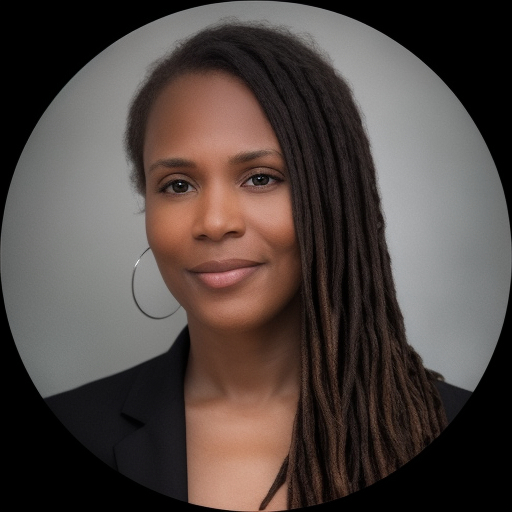
Chatia Warrick, LPCC
Licensed in Kentucky 7 years in practice
Licensed Professional Clinical Counselor (LPCC) in Kentucky with seven years of post-licensure experience, Chatia Warrick works with people facing stress, anxiety, trauma and abuse, grief, self-esteem struggles, and depression.
License and NPI
- LPCC, Kentucky
- 304585 · expires December 2026
- NPI
- 1326793985 · national provider identifier
- Years in practice
- 7
- Languages
- English
Details are as listed on the therapist's public professional profile. You can check any license with the state board and any NPI with the national registry.
About Chatia
Licensed Professional Clinical Counselor (LPCC) in Kentucky with seven years of post-licensure experience, Chatia Warrick works with people facing stress, anxiety, trauma and abuse, grief, self-esteem struggles, and depression. She also focuses on related issues such as attachment concerns, abandonment, caregiver stress, body image, and substance concerns.
Chatia’s background includes work with adults who have acquired or traumatic brain injuries and practice in community mental health settings. Chatia spent two years in clinical internship before licensure and has nearly 13 years of experience in roles that support people through life transitions and health-related challenges.
Background and approach
That work informed her approach to grief, identity shifts, and rebuilding confidence after significant changes. She draws on practical strategies to help people manage emotions and daily functioning. Her counseling style is informal and conversational.
She emphasizes collaboration and invites questions so people can move at a comfortable pace. Sessions are framed around real-life concerns and concrete steps rather than technical jargon. Chatia offers live chat as a structured, real-time text format that many clients use to reduce anxiety and reflect before responding.
She describes live chat as helpful for adolescents and adults who prefer not to use video. She also provides video and phone sessions for people who want those options. She is a doctoral student in Counselor Education and Supervision and is completing a dissertation on perinatal mental health in people of color.
This academic work complements her clinical practice and interest in culturally responsive care.
Focus areas and approaches
Everything Chatia lists on their public professional profile, in their own terms.
- Stress, Anxiety
- Trauma and abuse
- Grief
- Self esteem
- Depression
- Abandonment
- Attachment issues
- Autism and Asperger Syndrome
- Blended family issues
- Body image
- Caregiver issues and stress
- Co-morbidity
- Codependency
- Commitment issues
- Communication problems
- Control issues
- Dependent personality
- Divorce and separation
- Domestic violence
- Drug and alcohol addiction
- Eating and food-related issues
- Family of origin issues
- Family problems
- Fertility issues
- Forgiveness
- Gender dysphoria
- Guilt and shame
- HIV / AIDS
- Hospice and end-of-life counseling
- Immigration issues
- Impulsivity
- Infidelity
- Intellectual disability
- Isolation / loneliness
- Life purpose
- Midlife crisis
- Mood disorders
- Multicultural concerns
- Panic disorder and panic attacks
- Postpartum depression
- Post-traumatic stress
- Pregnancy and childbirth
- Prejudice and discrimination
- Process addiction (porn, exercise, gambling)
- Seasonal Affective Disorder (SAD)
- Self-love
- Sexual assault and abuse
- Sexuality
- Social anxiety and phobia
- Somatization
- Traumatic brain injury
- Women's issues
- Young adult issues
Approaches Chatia names
- Client-Centered Therapy
- Cognitive Behavioral Therapy (CBT)
- Trauma-Focused Therapy
- Internal Family Systems
Naming an approach is not evidence of training in it. This directory copies what each therapist lists and does not check training records.
Online support
How her approaches are used in online sessions
Client-Centered Therapy focuses on listening and supporting a person’s goals. It emphasizes understanding the client’s perspective and adjusting pace and focus based on what the person says. This approach helps when someone needs space to talk through feelings and decide next steps.Cognitive Behavioral Therapy (CBT) addresses patterns of thought and behavior that contribute to anxiety and depression. It uses practical exercises and small, measurable changes to reduce symptoms and improve daily routines. CBT is often used for stress, low mood, and worry.
Trauma-Focused Therapy concentrates on processing traumatic experiences and reducing their ongoing impact on emotions and behavior. It includes grounding strategies and structured work to help people manage triggers and rebuild confidence after traumatic events.
Finding the right approach is part of therapy. The therapist will work collaboratively to match methods to a person’s needs, goals, and preferences. That may mean combining elements from different approaches and adjusting over time based on how sessions are going.
Live chat is offered as a real-time, text-based option that many people use to reduce anxiety and reflect before responding. The biography also notes video and phone sessions are available for those who prefer them. If session formats are important, confirm the current options before booking. Online sessions can fit into busy schedules, require less travel, and let people choose a setting that works with work, caregiving, and other daily responsibilities.
We will earn a commission if you sign up through our link, at no cost to you. It does not change what you pay or the order of the listings.
Questions people ask
What concerns does she commonly address?
She works with stress, anxiety, trauma and abuse, grief, self-esteem issues, and depression. Additional focuses include attachment problems, abandonment, caregiver stress, body image, and substance concerns.
What is her general therapy style?
She practices a conversational, collaborative style rooted in client-centered work and practical strategies. Sessions aim to be straightforward and paced to the client’s needs.
How much clinical experience does she have?
She has seven years of post-licensure counseling experience and nearly 13 years in supportive and professional roles. She also completed two years of clinical internship before licensure.
Which credential does she hold and where does she practice?
She holds an LPCC and practices in Kentucky. The credential is listed as KY LPCC.
In what languages are sessions offered?
Sessions are offered in English. International clients are accepted.
What session formats are used?
She offers live chat as a structured, real-time text format and also provides video and phone sessions. Confirm the current session options before booking.
How are sessions paid for?
Cost varies with location and sessions use a subscription model that can be canceled at any time. Exact pricing is determined during sign-up.
How do I begin working with her?
Begin by selecting the See online therapy options button, completing a short matching questionnaire, and scheduling a first session. That process starts the initial connection and scheduling.
More counselors licensed in Kentucky
See all
Deborah Peyton
LPCC
Licensed Professional Clinical Counselor - Stress and Trauma
- Stress, Anxiety
- Addictions
- Trauma and abuse

Ashley Slone
LPCC
Licensed Clinical Counselor - Anxiety and Women's issues
- Stress, Anxiety
- Grief
- Anger

Surnames under W · every counselor in the directory whose surname starts with W
Is this your profile?
Ask us to correct details or take the page down.
Contact us