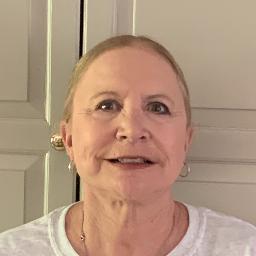
Dr. Michael Cundiff
LPC
Licensed Professional Counselor - stress and relationships
- Stress, Anxiety
- Relationship
- Family
Licensed professional counselors
1,768 counselors list infidelity among the topics they work with. All offer sessions online, and every profile shows the license, its state and the NPI as the counselor lists them.
This page lists therapists who identify infidelity as a specialty, with profile details on their approaches, credentials, and languages. Browse the therapist listings below to review profiles and explore practitioners who work with relationship betrayal and recovery.
LPC
Licensed Professional Counselor - stress and relationships
LPCC
Licensed Professional Clinical Counselor - Trauma and Anxiety
LPC
Licensed Professional Counselor - Mood and Trauma
LPC
Licensed Professional Counselor - Relationship and Anxiety
LPC
Licensed Professional Counselor - Trauma and Anxiety
LPC
Licensed counselor - anxiety and relationships
LCPC
Licensed Clinical Professional Counselor - stress and addiction
LPC
Licensed Professional Counselor - Stress and Relationship Concerns
LMHC, LPC
Licensed counselor - stress and addiction
LPC
Licensed counselor - anxiety and relationships
LCPC
Licensed Clinical Professional Counselor - Stress and Trauma
LCPC
Licensed Clinical Professional Counselor - Mood and Relationships
LMHC, LPC
Licensed counselor - mood and addiction concerns
LPC
Licensed Professional Counselor - Trauma and Mood Concerns
LPC
Licensed Professional Counselor - Relationships and Trauma
LPC
Licensed counselor - stress and relationships
LPC
Licensed Professional Counselor - Stress and Body Image
LPC
Licensed Professional Counselor - Stress and Trauma
LPC, LCPC
Licensed counselor - mood and behavior
LPC
Licensed counselor - anxiety and relationships
LCPC, LPC
Licensed counselor - Depression and anxiety
LPC
Licensed Professional Counselor - Addictions and Trauma
LPC
Licensed Professional Counselor - Addiction and Relationship Concerns
LPC
Licensed Professional Counselor - Mood and relationship concerns
LPC
Licensed Professional Counselor focused on anxiety and relationships
LPC
Licensed Professional Counselor - Stress and Relationships
LPC
Licensed counselor - anxiety and relationships
LPC
Licensed Professional Counselor - relationships and anxiety
LPC
Licensed Professional Counselor - Trauma and Relationships
LPC
Licensed Professional Counselor - Relationships and Stress
LPC
Licensed Professional Counselor - Stress and Trauma
LPCC
Licensed counselor - mood and addiction concerns
LMFT, LPC
Licensed counselor - anxiety and relationships
LPC
Licensed counselor - relationship and mood concerns
LPC
Licensed Professional Counselor - Stress and Addictions
LMHC, LPC
Licensed counselor - trauma and relationships
LPCC
Dr. Julie McCune - Licensed Professional Counselor focusing on anxiety and relationships
LPC
Licensed counselor - anxiety and trauma
LPC, LCPC
Licensed counselor - stress and relationships
Some links on this page are partner links. We will earn a commission if you sign up through one, at no cost to you. It does not change what you pay or the order of the listings.
Infidelity typically refers to a breach of an agreed-upon boundary within an intimate relationship. That breach can take many forms - emotional involvement, sexual activity outside the relationship, online interactions, or patterns of secrecy that feel like betrayal to a partner. How infidelity is defined and experienced varies widely between couples, and the same event can produce very different reactions depending on personal history, attachment styles, and the relationship context.
You may find that infidelity triggers intense emotions such as shock, anger, grief, humiliation, or a profound sense of loss of trust. Partners who disclose an affair often experience guilt, shame, and fear about how to repair the relationship. Over time, unresolved hurt can lead to ongoing conflict, withdrawal, avoidance of intimacy, or repeated attempts to control or monitor the partner. For some people the immediate crisis evolves into a period of reflection about patterns of communication, unmet needs, or compatibility.
Infidelity can also stir up past wounds from earlier relationships or childhood experiences. Even when both partners want to repair the relationship, the path forward is rarely straightforward. Many people find that working with a therapist helps them make sense of the event, manage intense emotions, and consider whether and how to rebuild trust and connection.
Therapy can be helpful if the emotional fallout from infidelity is disrupting daily life, work, parenting, or other relationships. You might notice a persistent inability to stop replaying the betrayal, frequent intrusive thoughts, or symptoms that interfere with sleep and concentration. If you find yourself avoiding conversations about the relationship, numbing with substances, or engaging in reactive behaviors that escalate conflict, these are signs that professional support could help you develop coping strategies and new communication patterns.
Couples sometimes seek help when they cannot agree on what happened, why it happened, or how to move forward. If attempts to talk about the betrayal repeatedly end in shutdown, blame, or re-traumatizing interactions, a therapist can provide structured time and guidance for difficult conversations. You might also pursue therapy if you are the partner who had the affair and are struggling to understand your actions, repair harm, and develop more reliable patterns of honesty. In addition, individuals who experience persistent anxiety, depression, or symptoms resembling trauma after infidelity often benefit from targeted therapeutic work.
Choosing to explore therapy does not mean you have to make immediate decisions about staying together or separating. Sometimes the goal of initial sessions is simply to reduce emotional overwhelm, establish boundaries that feel manageable, and create a plan for moving forward with greater clarity.
In early sessions a therapist will typically ask questions to understand the timeline, what each partner experienced, and what immediate goals look like. You can expect assessment of relationship history, communication patterns, and any safety considerations. Therapists often discuss how they work with infidelity and whether they offer individual sessions, couples sessions, or a combination. This helps set expectations for the format and pace of treatment.
Therapy for infidelity often alternates between emotional processing and practical steps. You will likely spend time naming and regulating strong feelings, learning skills for managing distress between sessions, and practicing clearer ways to express needs. For the partner who was betrayed, therapy can include strategies to tolerate painful emotions while gaining information that is helpful rather than retraumatizing. For the partner who disclosed the affair, sessions typically include work on accountability, transparency, and rebuilding trust through consistent actions.
Therapists may structure conversations to minimize re-traumatization, scheduling discussions about the specifics of the betrayal only when both partners can tolerate the emotional impact. Over time therapy can shift toward rebuilding intimacy, renegotiating boundaries, and rebuilding daily routines that foster reliability and closeness.
There is no single approach that fits every situation, and many therapists combine methods to match your needs. You will find practitioners who list Emotion-Focused Therapy among their approaches, which emphasizes identifying and transforming core emotions that shape behavior. Others may list Cognitive Behavioral Therapy as an approach to help you notice and change unhelpful thinking patterns and behaviors that sustain conflict. Couples-oriented frameworks that focus on interactional patterns are frequently used to map how partners respond to each other and to teach alternative ways of relating.
Some therapists list approaches that address attachment and bonding, helping partners understand how early relational patterns influence responses to betrayal. You may also see therapists who list trauma-informed approaches in their descriptions; these practitioners focus on safety, pacing, and stabilization if infidelity has triggered trauma-like reactions. Therapists who list sex therapy among their services concentrate on restoring sexual intimacy and addressing shame or desire discrepancies that can follow a breach of trust. Additionally, there are clinicians who list EMDR among their approaches and others who list somatic methods as ways to work with the body's responses to betrayal. Reading therapist profiles to see which approaches they list can help you choose someone whose style matches your preferences.
Online therapy has become a common way to work on relationship concerns, and it can be especially useful when geography, time constraints, or caregiving responsibilities make in-person sessions difficult. You will typically connect with a therapist via video call during scheduled sessions, with options for individual or joint meetings. Online sessions follow a similar structure to in-person work - assessment, emotional processing, skill-building, and planning - though therapists may adapt interventions for the virtual format.
Working online can allow you to meet from a familiar environment, which may feel less intimidating for some people. You and your partner will want to agree on where you join sessions so you can speak without interruptions and maintain a setting that supports focused conversation. Therapists often discuss technology etiquette up front, such as using headphones, silencing notifications, and choosing a location that supports privacy and minimal distractions. If sensitive topics come up, the therapist will help you manage emotional safety, including planning what to do if a session becomes overwhelming for either partner.
Online therapy also makes it possible to access practitioners who list specific experience with infidelity or related issues even if they are not nearby. When therapy includes both individual and joint sessions, an online format can streamline scheduling and help partners maintain continuity between meetings.
Start by reading therapist profiles to see who lists infidelity, relationship betrayal, or couples work among their focus areas. Pay attention to the approaches they list and whether those sound like a good fit for how you prefer to work - for example, emotionally focused exploration versus skills-based interventions. Look for descriptions that mention work with attachment, trauma-informed care, sex-related concerns, or how they structure couples versus individual sessions. Those details give insight into focus and style without implying specific credentials beyond what the profile states.
Consider practical match factors such as languages spoken, years of clinical experience, and whether the therapist describes working with situations similar to yours. Think about the format you prefer - some people feel more comfortable starting with individual sessions to process intense emotions, while others want to begin with joint sessions to address communication patterns from the outset. If online therapy is important to you, note whether therapists mention offering video sessions and how they approach virtual work.
Trust your sense of fit. It is reasonable to reach out to a few therapists to read more about how they describe their work and whether their approach resonates. You can look for language in profiles that emphasizes collaboration, clear boundaries, and a stepwise approach to addressing betrayal. Ultimately the relationship you build with your therapist matters as much as the modality they list. Choosing someone with whom you feel heard and understood will support the difficult emotional work that follows infidelity.
If you are unsure where to begin, consider starting with a profile that feels aligned with your priorities and reading several descriptions to compare focus and approach. That preparatory work can help you enter therapy with clearer questions and goals, and enable you to use sessions more effectively as you navigate repair, separation, or a new way of relating.