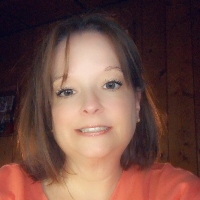
Sherri Burkert, LPCC
Licensed in Ohio 13 years in practice
Licensed Professional Clinical Counselor (LPCC) in Ohio with 13 years of experience as a counselor, Sherri Burkert focuses on stress, anxiety, addictions, depression, relationship and trauma-related concerns.
License and NPI
- LPCC, Ohio
- E.2001859 · expires August 2026
- NPI
- 1811214661 · national provider identifier
- Years in practice
- 13
- Languages
- English
Details are as listed on the therapist's public professional profile. You can check any license with the state board and any NPI with the national registry.
About Sherri
Licensed Professional Clinical Counselor (LPCC) in Ohio with 13 years of experience as a counselor, Sherri Burkert focuses on stress, anxiety, addictions, depression, relationship and trauma-related concerns. She helps people who are coping with mood changes, grief, intimacy questions, parenting strains, and the everyday pressure of caregiving and work. Sessions are offered in English and center on practical steps toward change.
Sherri trained in psychology and counseling and has worked across inpatient, outpatient, partial hospitalization, and crisis intervention settings.
Background and approach
That range gives her experience with substance use issues, bipolar disorder, post-traumatic stress, and seasonal mood shifts. She draws on methods that help people change unhelpful patterns and manage strong emotions. Her counseling style is client-centered.
Sherri works with each person to set clear goals and measure progress over time. She focuses on real-world skills people can use between sessions, such as coping tools and communication strategies. Sherri uses Cognitive Behavioral Therapy and Dialectical Behavior Therapy techniques to address thinking patterns and emotional regulation.
She also uses Mindfulness Therapy and Motivational Interviewing to support motivation and present-moment awareness. These approaches are applied in ways that map to the concerns a person brings. People choosing therapy with Sherri will find an emphasis on concrete strategies: reducing substance-related harm, managing anxiety, improving self-esteem, and addressing relationship conflict or codependency.
She encourages straightforward conversations about goals and progress so people know what changes they are working toward.
Focus areas and approaches
Everything Sherri lists on their public professional profile, in their own terms.
- Stress, Anxiety
- Addictions
- Family conflicts
- Self esteem
- Depression
- Relationship issues
- Trauma and abuse
- Grief
- Intimacy-related issues
- Parenting issues
- Anger management
- Bipolar disorder
- Coping with life changes
- Compassion fatigue
- ADHD
- Caregiver issues and stress
- Codependency
- Communication problems
- Divorce and separation
- Drug and alcohol addiction
- Family problems
- Guilt and shame
- Infidelity
- Veteran and Armed Forces Issues
- Mood disorders
- Postpartum depression
- Post-traumatic stress
- Seasonal Affective Disorder (SAD)
- Self-love
- Social anxiety and phobia
- Women's issues
- Young adult issues
Approaches Sherri names
- Client-Centered Therapy
- Cognitive Behavioral Therapy (CBT)
- Dialectical Behavior Therapy (DBT)
- Mindfulness Therapy
- Motivational Interviewing
Naming an approach is not evidence of training in it. This directory copies what each therapist lists and does not check training records.
Online support
Therapeutic approaches used in online sessions
Sherri uses Cognitive Behavioral Therapy (CBT) to help people identify and change unhelpful thought patterns and behaviors. CBT is often used for anxiety, depression, and stress-related concerns because it focuses on practical steps and measurable change.She also uses Dialectical Behavior Therapy (DBT) skills to teach emotional regulation, distress tolerance, and interpersonal effectiveness. DBT techniques are useful when strong emotions, relationship conflict, or impulsive behaviors are getting in the way of daily life.
Finding the right approach is a collaborative process. The therapist will work with the person to choose methods that match their needs, goals, and comfort level. Treatment plans are adjusted over time based on what is and isn’t working.
The practical benefit of working online is that sessions can fit into a busy life more easily. Confirm the specific session formats before booking, since the biography does not list them. Online work can make it simpler to schedule shorter check-ins, avoid travel time, or connect from different locations when quiet surroundings and time allow.
We will earn a commission if you sign up through our link, at no cost to you. It does not change what you pay or the order of the listings.
Questions people ask
What concerns does she address most often?
She works with stress, anxiety, addictions, depression, trauma and related issues such as grief, intimacy concerns, and parenting stress.
How would you describe her therapy style?
Her approach is client-centered and practical. She helps set goals and tracks progress while teaching coping and communication skills.
How much experience does she have?
She has 13 years of experience as a counselor and broader experience working in multiple mental health settings.
Where is she licensed to practice?
She holds an Ohio LPCC license and practices from Ohio.
Can I work with her if I live outside the United States?
Sessions are offered in English and she is not accepting international clients at this time.
What session formats are offered?
The biography does not list specific session formats. Confirm current session options before booking to know how sessions are delivered.
How does billing work and what does it cost?
Cost varies with location and sessions use a subscription that can be canceled at any time.
What are the steps to begin working with her?
Select the See online therapy options button, complete a short matching questionnaire, and schedule a first session.
More counselors licensed in Ohio
See all
Chris Kohlmann
LPCC
Licensed counselor for stress and relationships
- Stress, Anxiety
- Relationship
- Self esteem

Robert Ksiazkiewicz
LPCC
Licensed counselor - Stress and addictions
- Stress, Anxiety
- Addictions
- Trauma and abuse

Dr. Julie McCune
LPCC
Dr. Julie McCune - Licensed Professional Counselor focusing on anxiety and relationships
- Stress, Anxiety
- LGBT
- Relationship

Amy Carlier
LPCC
Licensed counselor - anxiety and mood concerns
- Stress, Anxiety
- Trauma and abuse
- Anger
Surnames under B · every counselor in the directory whose surname starts with B
Is this your profile?
Ask us to correct details or take the page down.
Contact us