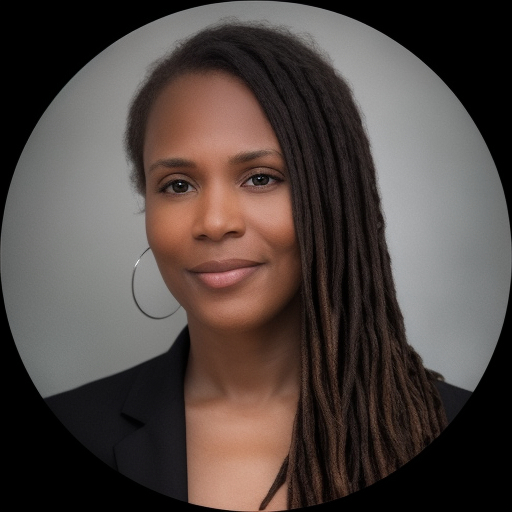
Dr. Michael Cundiff
LPC
Licensed Professional Counselor - stress and relationships
- Stress, Anxiety
- Relationship
- Family
Licensed professional counselors
3,710 counselors list social anxiety and phobia among the topics they work with. All offer sessions online, and every profile shows the license, its state and the NPI as the counselor lists them.
Find clinicians who list social anxiety and phobia as a specialty, with information on approaches, languages, and professional credentials. Browse the listings below to compare profiles and contact a counselor who may suit your needs.
LPC
Licensed Professional Counselor - stress and relationships
LPCC
Licensed Professional Clinical Counselor - Trauma and Anxiety
LPC
Licensed Professional Counselor - Stress and Trauma
LPC
Licensed Professional Counselor - Mood and Trauma
LPC
Licensed Professional Counselor - Trauma and Anxiety
LPC
Licensed counselor - anxiety and relationships
LPC
Licensed counselor - mood and trauma care
LCPC
Licensed Clinical Professional Counselor - stress and addiction
LPC
Licensed Professional Counselor - Stress and Relationship Concerns
LPC
Licensed Professional Counselor - anxiety and trauma
LCPC
Licensed Clinical Professional Counselor - trauma and anxiety
LPC
Licensed counselor - stress and trauma
LPC
Licensed Professional Counselor - Anxiety and Addictions
LPC
Licensed counselor - anxiety and trauma
LPCC
Licensed Clinical Counselor - Anxiety and Women's issues
LPC
Licensed Professional Counselor - Stress and Trauma
LPC
Licensed counselor for anxiety and relationships
LPC
Licensed Professional Counselor - stress and family concerns
LMHC, LPCC
Licensed counselor - stress and addictions
LCPC
Licensed Clinical Professional Counselor - Stress and Trauma
LPC
Licensed counselor - mood and coping issues
LCPC
Licensed Clinical Professional Counselor - Mood and Relationships
LMHC, LPC
Licensed counselor - mood and addiction concerns
LPC, LPC-MH
Licensed Professional Counselor - Stress and Relationships
LPC
Licensed Professional Counselor - Anxiety and Relationships
LPC
Licensed Professional Counselor focused on anxiety and relationships
LPC
Licensed Professional Counselor - Mood and Relationship Concerns
LCPC
Licensed counselor - mood and relationships
LPC
Licensed Professional Counselor - Trauma and Mood Concerns
LPC
Licensed Professional Counselor - Relationships and Trauma
LPC
Licensed Professional Counselor - Relationships and Anxiety
LPC
Licensed Professional Counselor - Anxiety and Mood
LPC
Licensed counselor - anxiety and relationships
LPC
Licensed Professional Counselor - Anxiety and Trauma
Some links on this page are partner links. We will earn a commission if you sign up through one, at no cost to you. It does not change what you pay or the order of the listings.
Social anxiety and phobia commonly involve an intense worry about social situations where you might be observed, judged, or evaluated. For some people this appears as nervousness before public speaking or meeting new people, while for others it takes the form of avoidance of gatherings, reluctance to speak up at work, or physical symptoms such as sweating, trembling, rapid heart rate, or nausea in social settings. The condition exists on a spectrum - occasional shyness is different from persistent fear that interferes with daily life. When anxiety prevents you from attending events, pursuing opportunities, or maintaining relationships, it can significantly reduce quality of life and create cycles of avoidance that reinforce the fear.
Understanding the personal context of your anxiety matters. Past experiences, temperament, cultural expectations, and current stressors can all shape how social fears feel and show up. You may notice a tendency to assume negative judgments from others, to rehearse conversations in your mind, or to feel exhausted after social interaction because of the mental effort involved. Recognizing these patterns is a first step toward addressing them, and therapy offers a space to explore how your thoughts, sensations, and behaviors interact so you can begin to make targeted changes that feel manageable and realistic.
You might consider therapy if social worry is persistent, intense, and affecting your daily routine. Common signs include avoiding parties, meetings, or dates; turning down promotions or opportunities that require more social exposure; or experiencing frequent panic-like symptoms in social situations. You may find that your fear of embarrassment or negative evaluation is out of proportion to the actual risk, and that you spend a lot of time preparing for or ruminating about social interactions instead of enjoying them.
Another indication that therapy could help is when anxiety limits important goals you care about, such as making friends, pursuing a relationship, or advancing in your career. You may also notice physical signs like gastrointestinal distress, dizziness, or muscle tension tied to social contexts. If efforts to cope on your own - such as drinking alcohol before events, overplanning interactions, or isolating - leave you feeling worse, therapy can provide structured strategies and a different perspective. Therapy is not only for crisis moments; it can also be a practical way to build skills, increase confidence, and reshape patterns that keep you stuck.
Therapy for social anxiety usually begins with an assessment of your history, symptoms, and goals. Early sessions often focus on building a collaborative relationship, clarifying what you want to change, and identifying situations that cause the most distress. You and your counselor will discuss how anxiety shows up for you - the thoughts, physical sensations, and behaviors - and create a treatment plan tailored to your needs. Most people find that having a clear plan and measurable goals makes progress feel more attainable.
Throughout sessions you can expect a mix of learning and practice. Many counselors combine education about anxiety with exercises you can try between sessions, such as small experiments in social settings or techniques to manage physical symptoms in the moment. You will work on changing unhelpful thinking patterns, gradually facing feared situations, and building social skills where needed. Sessions aim to move at a pace that respects your limits while encouraging steady progress, so you feel supported rather than overwhelmed. Your counselor will also help you track setbacks and successes so you can see how changes unfold over time.
There are several approaches that counselors commonly use to address social anxiety. Cognitive behavioral methods are frequently referenced because they focus on changing the connection between thoughts, feelings, and behaviors. In writing about approaches, it is important to note that you will find therapists who list cognitive behavioral therapy, acceptance-based strategies, exposure-focused work, or interpersonal approaches among their methods. Each of these brings a different emphasis - for example, exposure methods encourage gradual facing of feared social situations, while acceptance-oriented work emphasizes changing your relationship to anxious thoughts rather than trying to eliminate them.
Other therapists may highlight mindfulness, skills training, or emotion-focused work as part of their approach. If you are interested in how a therapist approaches social skills or performance anxiety, look for descriptions of role-play, behavioral experiments, and real-world practice that aim to build confidence. When considering different approaches, keep in mind that many counselors integrate elements from several frameworks to fit your particular concerns. You can expect a focus on actionable strategies, whether that means learning to tolerate discomfort, restructuring anxious thoughts, or practicing social interactions in a gradual, planful way.
Online therapy can make it easier to start work on social anxiety because it reduces some barriers to accessing support. You can meet with a counselor from your home or another comfortable environment, which may feel less intimidating than an in-person office for initial sessions. Many people find that beginning therapy remotely allows them to focus on practicing skills in the very contexts that cause anxiety - for example, using video calls can be a direct and relevant way to work on public speaking fears or small-group interactions.
Online formats vary in how they are delivered - some counselors use live video sessions, while others include messaging or phone support between meetings. You will want to ask about session length, how homework or practice will be assigned and reviewed, and what platforms are used for communication. A good match between your preferred mode of communication and the counselor's methods will help you feel comfortable engaging in exposure exercises and other in-session practices. Keep in mind that online therapy can be a flexible complement to in-person work when needed.
When searching for a counselor, think about the practical and personal factors that matter to you. Consider which approaches resonate with your preferences - for instance, whether you want a counselor who emphasizes gradual exposure and behavioral experiments, or one who focuses more on acceptance and emotion regulation. Look at languages spoken and professional credentials listed, and read how each clinician describes their experience with social anxiety. Profiles that mention common techniques or populations they work with can help you determine whether their style fits your goals.
It also helps to reflect on what you want from therapy beyond symptom reduction. You might value a direct, structured approach that includes measurable exercises, or you may prefer a collaborative conversational style that explores deeper relational patterns. Pay attention to how a counselor communicates in their profile - clear, compassionate descriptions often signal a thoughtful approach to care. Finally, trust your instincts about rapport. After an initial contact or consultation, notice whether you feel heard and whether the suggested plan feels realistic for your life. Choosing a counselor who fits your needs and your temperament increases the chance that you will engage with the work and see meaningful change.
Addressing social anxiety is a process that blends understanding with action. Whether you start with small steps in daily life, try a few techniques to manage physical symptoms, or pursue a structured therapy plan that includes practice and exposure, the options available can help you rebuild confidence and expand the social activities you find rewarding. Use the listings above to explore counselors who note social anxiety and phobia in their profiles, and pick a direction that aligns with your goals and values.