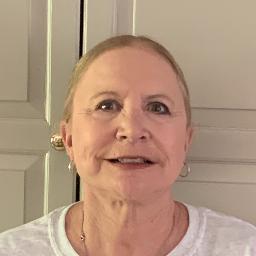
Dr. Michael Cundiff
LPC
Licensed Professional Counselor - stress and relationships
- Stress, Anxiety
- Relationship
- Family
Licensed professional counselors
3,385 counselors list women's issues among the topics they work with. All offer sessions online, and every profile shows the license, its state and the NPI as the counselor lists them.
This page lists therapists who include women's issues among their specialties. Use the directory below to review clinicians' focus areas, approaches, credentials, languages, and experience and browse profiles to find a fit.
LPC
Licensed Professional Counselor - stress and relationships
LPCC
Licensed Professional Clinical Counselor - Trauma and Anxiety
LPC
Licensed Professional Counselor - Mood and Trauma
LPC
Licensed Professional Counselor - Trauma and Self-Esteem
LPC, LMFT
Licensed counselor - relationships and anxiety
LCPC
Licensed Clinical Professional Counselor - stress and addiction
LPCC
Licensed Professional Clinical Counselor - Stress and Trauma
LPC
Licensed Professional Counselor - Anxiety and Trauma
LPC
Licensed Professional Counselor - Stress and Relationship Concerns
LCPC
Licensed Clinical Professional Counselor - trauma and anxiety
LPC
Licensed counselor - stress and trauma
LPC
Licensed Professional Counselor - Anxiety and Addictions
LPC
Licensed counselor - anxiety and trauma
LPCC
Licensed Clinical Counselor - Anxiety and Women's issues
LPC
Licensed Professional Counselor - Stress and Trauma
LPC
Licensed Professional Counselor - Stress and Anxiety
LPC
Licensed counselor for anxiety and relationships
LMHC, LPC
Licensed counselor - stress and addiction
LPC
Licensed Professional Counselor - stress and family concerns
LPC
Licensed counselor - anxiety and relationships
LPC
Licensed counselor - anxiety and relationships
LCPC
Licensed Clinical Professional Counselor - Stress and Trauma
LPC
Licensed Professional Counselor - Stress and Relationships
LCPC
Licensed Clinical Professional Counselor - Mood and Relationships
LMHC, LPC
Licensed counselor - mood and addiction concerns
LPC, LPC-MH
Licensed Professional Counselor - Stress and Relationships
LPC
Licensed Professional Counselor - Anxiety and Relationships
LPC
Licensed Professional Counselor - Mood and Relationship Concerns
LPC
Licensed counselor - stress and relationships
LPC
Licensed Professional Counselor - Trauma and Mood Concerns
LPC
Licensed Professional Counselor - Relationships and Trauma
LPC
Licensed Professional Counselor - Relationships and Anxiety
LPC
Licensed counselor for relationships and reproductive concerns
LPC
Licensed counselor - anxiety and relationships
LPC
Licensed Professional Counselor - Anxiety and Trauma
LPC
Licensed counselor - anxiety and trauma
LPC
Licensed Professional Counselor - Stress and Body Image
LPC
Licensed Professional Counselor - Stress and Anxiety
LPC
Licensed counselor - anxiety and relationships
LPC
Licensed Professional Counselor - Stress and Trauma
Some links on this page are partner links. We will earn a commission if you sign up through one, at no cost to you. It does not change what you pay or the order of the listings.
Women's issues is an umbrella term used to describe a wide range of emotional, relational, and life-stage concerns that commonly affect people who identify as women. These concerns often intersect with reproductive health, hormonal transitions, body image, gender role expectations, caregiving responsibilities, and experiences of trauma or discrimination. Because these topics cut across physical, social, and psychological domains, the emotional impact can include anxiety, low mood, difficulties with intimacy, loss of self-confidence, and a sense of being overwhelmed by competing demands.
Your experience may be shaped by cultural background, family expectations, age, and the presence of chronic health conditions. For example, transitions such as pregnancy, postpartum adjustment, perimenopause, or surgical recovery can bring intense emotions that ripple into relationships and work. Social pressures about appearance and motherhood can compound stress and make it harder to prioritize your own needs. Understanding women's issues as a constellation of interconnected concerns can help you see why addressing one area - such as sleep disruptions or relationship conflict - often improves other parts of life as well.
You may consider seeking therapy when emotional or practical challenges start to interfere with daily functioning, relationships, or your sense of well-being. Persistent anxiety or sadness that does not improve with time, intrusive memories related to past events, or recurring conflict with partners and family members are common reasons people look for targeted support. You might notice changes in appetite, sleep, concentration, or motivation that are harder to explain than simply being busy.
Other signs include feeling isolated by expectations around motherhood or career choices, struggling with body image or sexual concerns, experiencing grief connected to fertility or loss, or needing to process experiences of bias or harassment. Therapy can be a place to sort through these experiences, learn coping strategies, and work toward concrete goals. If physical symptoms like menstrual-related mood changes or sleep disruption are linked to emotional distress, a therapist who lists women's issues among their specialties may help you navigate the emotional side while coordinating with healthcare providers when needed.
When you begin therapy for women's issues, many therapists start with an intake session to understand your history, current challenges, and goals. Expect to discuss personal background, relationships, health concerns, and any previous therapy experience so the clinician can tailor their approach. Sessions typically move at a pace you find manageable; some people prefer to focus on problem-solving and skill-building right away, while others spend time exploring deeper patterns and life narratives that influence current difficulties.
Therapy may include practical tools to manage symptoms, such as stress reduction techniques, communication skills, and behavioral strategies to improve sleep and daily routines. It may also involve exploring identity, values, and roles so you can align choices with what matters most to you. If relationship dynamics are central, some clinicians will invite discussion of boundaries, attachment patterns, and ways to assert needs effectively. You should expect collaborative goal-setting, periodic review of progress, and adjustments in approach if certain strategies are not helping. Therapy is an active process in which your feedback shapes how sessions proceed.
Therapists who list women's issues among their specialties draw on a range of approaches to address emotional and relational concerns. Cognitive behavioral approaches focus on identifying unhelpful thought patterns and practicing new behaviors to reduce distress and improve functioning. Interpersonal methods explore relationship patterns and communication, helping you navigate transitions like new parenting roles, caregiving responsibilities, or changes in partnership.
Psychodynamic and narrative approaches invite you to examine long-standing themes in your life story that inform current feelings and choices. Mindfulness-based and acceptance-oriented methods teach ways to relate differently to difficult thoughts and sensations, supporting emotional regulation during hormonal changes or body-related stress. Trauma-informed frameworks emphasize safety and pacing for people processing past violence or abuse; when you see descriptions of trauma-focused work, note that some therapists will list trauma processing techniques such as EMDR among their approaches, but listings do not indicate specific credentials. Feminist-informed therapy centers the impact of social context, gender expectations, and power dynamics on personal experience, helping you reclaim agency and voice. Many therapists integrate elements from multiple methods to match your needs and preferences.
Online therapy can make it easier to access clinicians who list women's issues among their specialties, especially if local options are limited or if scheduling in-person sessions is difficult. Typical online formats include video sessions that mirror face-to-face conversations, text-based messaging for brief check-ins, and phone sessions when video is not feasible. You can expect sessions to follow a similar structure whether online or in person - with intake, collaborative goal-setting, skill practice, and review - but the online setting requires attention to practicalities like choosing a personal room, minimizing distractions, and using a reliable internet connection.
Online sessions can be helpful when managing reproductive transitions, coping with caregiving demands, or when mobility and transportation are barriers. They also allow you to connect with therapists who speak your language or list specific cultural or life-stage expertise. If you choose online therapy, find a comfortable environment where you feel safe to speak and consider whether you prefer synchronous sessions by video or phone, or a mix that includes written communication. Discuss with the clinician how they handle crises and what resources are available locally to you, so you have a clear plan for support between sessions if needed.
Finding a therapist who matches your needs often starts with clarifying what matters most to you. Decide whether you want someone who emphasizes problem-solving, explores deeper life patterns, or centers social and cultural factors in their work. Look at profiles to see which clinicians list women's issues among their specialties and note the specific approaches they mention. Because listings are descriptions of focus areas rather than verification of specific credentialed training, consider how the therapist communicates their orientation and whether their language resonates with you.
Pay attention to practical factors such as languages spoken, experience with life stages that are relevant to you, and the ways they describe their approach to relationships, body image, or reproductive transitions. Read bios to get a sense of whether a therapist emphasizes collaboration, provides a trauma-aware stance, or highlights culturally informed care. When you reach out to a clinician, you may ask about their experience with issues similar to yours, the methods they typically use, and what a typical course of work might involve. Trust your impressions of whether you feel heard and understood in initial contacts, because the quality of the therapeutic relationship is a key element in achieving meaningful progress.
Your needs may evolve over time as symptoms change or as life circumstances shift. It is reasonable to reassess goals and approaches periodically and to discuss changes with your therapist. Some people find short-term, skills-based work meets their needs, while others pursue longer-term therapy to process complex histories or identity questions. If a particular approach is not helping, a good therapist will explain alternatives and work with you to try different strategies. Choosing a therapist is a personal process and adjusting course is a normal part of finding the right fit for the chapter of life you are in.
Overall, therapy for women's issues offers a structured way to address concerns that arise from biological transitions, social pressures, relationship changes, and past experiences. Whether you pursue in-person or online sessions, prioritizing a clinician whose described focus and approach align with your goals will increase the likelihood that you feel supported and understood as you work toward clearer functioning and greater well-being.