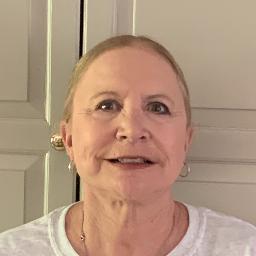
Dr. Michael Cundiff
LPC
Licensed Professional Counselor - stress and relationships
- Stress, Anxiety
- Relationship
- Family
Licensed professional counselors
3,560 counselors list post-traumatic stress among the topics they work with. All offer sessions online, and every profile shows the license, its state and the NPI as the counselor lists them.
This page lists therapists who work with post-traumatic stress and related concerns. You can browse profiles to explore approaches, credentials, languages, and areas of focus. Scroll the listings below to review clinicians and learn more about how therapy can support recovery.
LPC
Licensed Professional Counselor - stress and relationships
LPCC
Licensed Professional Clinical Counselor - Trauma and Anxiety
LPC
Licensed Professional Counselor - Stress and Trauma
LPC
Licensed Professional Counselor - Mood and Trauma
LPC, LMFT
Licensed counselor - relationships and anxiety
LPC
Licensed Professional Counselor - Trauma and Anxiety
LPC
Licensed counselor - anxiety and relationships
LCPC
Licensed Clinical Professional Counselor - stress and addiction
LPC
Licensed Professional Counselor - Stress and Relationship Concerns
LPC
Licensed Professional Counselor - anxiety and trauma
LCPC
Licensed Clinical Professional Counselor - trauma and anxiety
LPC
Licensed counselor - stress and trauma
LPC
Licensed Professional Counselor - Anxiety and Addictions
LPC
Licensed counselor - anxiety and trauma
LPC
Licensed Professional Counselor - Stress and Trauma
LMHC, LPC
Licensed counselor - stress and addiction
LPC
Licensed Professional Counselor - stress and family concerns
LPC
Licensed counselor - anxiety and relationships
LCPC
Licensed Clinical Professional Counselor - Stress and Trauma
LPC
Licensed counselor - mood and coping issues
LPC
Licensed Professional Counselor - Stress and Relationships
LMHC, LPC
Licensed counselor - mood and addiction concerns
LPC, LPC-MH
Licensed Professional Counselor - Stress and Relationships
LPC
Licensed Professional Counselor - Anxiety and Relationships
LPC
Licensed Professional Counselor - Mood and Relationship Concerns
LCPC
Licensed counselor - mood and relationships
LPC
Licensed Professional Counselor - Trauma and Mood Concerns
LPC
Licensed Professional Counselor - Relationships and Trauma
LPC
Licensed Professional Counselor - Relationships and Anxiety
LPC
Licensed counselor for relationships and reproductive concerns
LPC
Licensed Professional Counselor - Anxiety and Mood
LPC
Licensed counselor - anxiety and relationships
LPC
Licensed Professional Counselor - Anxiety and Trauma
LPC
Licensed counselor - anxiety and trauma
LPC
Licensed Professional Counselor - Addictions and Trauma
Some links on this page are partner links. We will earn a commission if you sign up through one, at no cost to you. It does not change what you pay or the order of the listings.
Post-traumatic stress refers to ongoing emotional and behavioral reactions that can follow exposure to threatening, frightening, or overwhelming events. These reactions can appear after a single incident or develop over time following repeated exposures. You might hear the term PTSD used in clinical contexts, but many people describe their experience in ways that do not rely on labels. What matters most is how symptoms affect your day-to-day life - your relationships, sleep, work, and sense of safety.
Experiences that lead to post-traumatic stress vary widely. They include accidents, natural disasters, interpersonal violence, military combat, medical trauma, and complex experiences such as childhood adversity. The intensity and duration of symptoms differ from person to person. While some people notice improvement on their own, others find that targeted therapeutic work provides structure and techniques to reduce distress and regain a feeling of control.
Post-traumatic stress often shows up across emotional, cognitive, and bodily systems. Emotionally you might notice heightened anxiety, persistent sadness, irritability, or a tendency to react strongly to reminders of the event. Cognitively you may experience intrusive memories, flashbacks, or difficulty concentrating. Memory gaps for aspects of the event or a sense of detachment from your surroundings are also common. Physically you could have sleep disturbances, startle responses, or chronic tension and aches.
Your social world can change as well. You might pull away from people, lose interest in activities you once enjoyed, or feel misunderstood by friends and family. Some people adopt safety behaviors that reduce short-term distress but make daily life more limiting over time. Recognizing these patterns is an important step because it helps you identify what to address in therapy and what practical changes could improve your functioning.
If symptoms interfere with your ability to work, maintain relationships, manage everyday tasks, or sleep, therapy can be a useful option to explore. Frequent intrusive thoughts about an event, nightmares, persistent avoidance of reminders, overwhelming mood swings, or a constant sense of being on edge are signals that targeted support could help. You do not need to wait until symptoms become severe; reaching out early can prevent patterns from becoming more entrenched.
Therapy is also helpful if you find yourself using substances, isolating from people, or experiencing a decline in physical health related to stress. Seeking therapy does not mean you are weak or that your experience is unjustified. It means you are seeking tools to manage reactions and to recover a greater sense of agency. Many people come to therapy not only to reduce symptoms but to rebuild trust, improve relationships, and reconnect with meaningful activities.
Early sessions typically focus on building rapport, assessing your current difficulties, and clarifying goals. Your therapist will likely ask about your history, the events that led to distress, how symptoms show up for you, and what you hope to change. This helps create a treatment plan tailored to your needs. You and your therapist will agree on priorities, whether that means managing sleep and panic symptoms first or addressing trauma memories with specific techniques later.
As therapy progresses you will engage in practical strategies to reduce distress and improve functioning. That work can include learning skills for emotion regulation, grounding techniques to manage intrusive memories, and gradually approaching avoided situations in a way that builds confidence. Sessions aim to balance immediate symptom relief with deeper processing when you are ready. Your pace is central: effective therapy adjusts to what you can tolerate while still making progress. Many therapists combine active skill-building with reflective work about meaning, relationships, and coping patterns so that gains extend beyond symptom reduction.
Therapists use a range of approaches to address post-traumatic stress, and you will often find clinicians who list multiple methods among their approaches. Cognitive-behavioral approaches emphasize the link between thoughts, feelings, and behaviors and often include exposure exercises and skills to reduce avoidance. Therapists who list exposure-based work may help you face distressing memories or situations in a controlled way so that anxiety decreases over time. Other clinicians describe narrative-oriented approaches that focus on reshaping trauma memories within the context of your life story and values.
Some therapists reference eye movement techniques in their profiles; these are sometimes used to help people process upsetting memories. Others mention somatic or body-centered approaches that attend to the physical sensations held in the body and teach ways to regulate the nervous system. Acceptance-based methods, including approaches that emphasize mindfulness and values-driven action, help you develop a different relationship with distressing thoughts and feelings so they interfere less with daily life. You will also find clinicians who incorporate components from multiple models to fit your needs. When reviewing profiles, consider the language a therapist uses to describe their approach - it can give you a sense of whether they emphasize skills, memory processing, body-based work, or a reflective, relational style.
Online therapy offers a flexible way to access clinicians who list post-traumatic stress among their areas of focus. Sessions typically happen through video or, in some cases, phone or messaging formats. You can expect many of the same elements as in-person care - assessment, skill-building, and memory processing - adapted to a remote setting. Some people find remote sessions helpful because they reduce travel time and allow you to meet with a clinician who understands your cultural background, language, or life circumstances even if that clinician is not in your immediate area.
There are practical considerations to think through. Choose a quiet, comfortable environment where you can speak openly, with reliable internet or phone access. Discuss with your therapist how to handle moments of high distress during or between sessions, and ask about emergency procedures in your area since clinicians may not be able to respond in the same way as in-person services. Clear communication about session logistics, information-sharing boundaries practices, and how to share materials or homework helps make online work more effective.
When selecting a therapist for post-traumatic stress, focus on match factors that matter to you: the therapist's stated approaches, professional credentials, experience with trauma-related issues, language capabilities, and whether their described style feels collaborative or directive. Read profiles to see how therapists explain their work with trauma and what they emphasize - symptom relief, narrative processing, body awareness, or relational repair. Consider practical fit as well, such as session length, fees, and whether they list a commitment to cultural humility or experience with populations similar to yours.
Trust your instincts. The way a therapist writes about their work can give you a sense of whether they adopt a skills-based, insight-oriented, or body-centered approach. It is reasonable to reach out and ask questions about how they structure trauma-focused work, what kinds of strategies they commonly use, and how they support clients through difficult emotions. Choosing a therapist is a personal process; finding someone whose approach and communication style align with your preferences increases the likelihood you will feel comfortable engaging in the work.
Deciding to explore therapy for post-traumatic stress is a step toward regaining stability and building meaningful coping strategies. Whether you pursue in-person or online care, the right match and a clear plan can help you navigate symptoms and reclaim activities and relationships that matter. Use the listings on this page to learn more about therapists who list post-traumatic stress among their specialties, compare their approaches and backgrounds, and reach out to start a conversation about the help you are looking for.