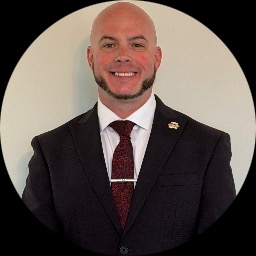
Dr. Michael Cundiff
LPC
Licensed Professional Counselor - stress and relationships
- Stress, Anxiety
- Relationship
- Family
Licensed professional counselors
3,947 counselors list forgiveness among the topics they work with. All offer sessions online, and every profile shows the license, its state and the NPI as the counselor lists them.
Find licensed counselors and therapists who list forgiveness as a focus area and who describe approaches that address forgiveness, reconciliation, and self-compassion. Browse the listings below to review approaches, credentials, languages spoken, and areas of experience.
Use the profiles to learn how different therapists describe their work with forgiveness and to decide which professionals match the support you want.
LPC
Licensed Professional Counselor - stress and relationships
LPCC
Licensed Professional Clinical Counselor - Trauma and Anxiety
LPC
Licensed Professional Counselor - Mood and Trauma
LPC
Licensed Professional Counselor - Trauma and Self-Esteem
LPC
Licensed Professional Counselor - Stress and Addiction
LPC
Licensed Professional Counselor - grief and relationships
LPC
Licensed counselor - anxiety and relationships
LCPC
Licensed Clinical Professional Counselor - stress and addiction
LPCC
Licensed Professional Clinical Counselor - Stress and Trauma
LPC
Licensed Professional Counselor - Anxiety and Trauma
LPC
Licensed Professional Counselor - Stress and Relationship Concerns
LPC
Licensed counselor - stress and trauma
LPC
Licensed counselor - anxiety and trauma
LPC
Licensed Professional Counselor - Stress and Anxiety
LPC
Licensed counselor for anxiety and relationships
LMHC, LPC
Licensed counselor - stress and addiction
LPC
Licensed Professional Counselor - stress and family concerns
LMHC, LPCC
Licensed counselor - stress and addictions
LPC
Licensed counselor - anxiety and relationships
LCPC
Licensed Clinical Professional Counselor - Stress and Trauma
LPC
Licensed counselor - mood and coping issues
LMHC, LPC
Licensed counselor - mood and addiction concerns
LPC, LPC-MH
Licensed Professional Counselor - Stress and Relationships
LPC
Licensed Professional Counselor - Anxiety and Relationships
LPC
Licensed Professional Counselor - Mood and Relationship Concerns
LPC
Licensed counselor - stress and relationships
LCPC
Licensed counselor - mood and relationships
LPC
Licensed Professional Counselor - Trauma and Mood Concerns
LPC
Licensed Professional Counselor - Relationships and Trauma
LPC
Licensed Professional Counselor - Relationships and Anxiety
LPC
Licensed counselor for relationships and reproductive concerns
LPC
Licensed Professional Counselor - Anxiety and Mood
LPC
Licensed counselor - anxiety and relationships
LPC
Licensed Professional Counselor - Anxiety and Trauma
LPC
Licensed Professional Counselor - Stress and Life Changes
LPC
Licensed Professional Counselor - Addictions and Trauma
LCPC, LPC
Licensed counselor - stress and relationships
LPC
Licensed counselor - stress and relationships
Some links on this page are partner links. We will earn a commission if you sign up through one, at no cost to you. It does not change what you pay or the order of the listings.
Forgiveness is often misunderstood as forgetting or excusing harm. In therapeutic terms, forgiveness is a process you undertake to change the way you relate to a past hurt, whether that hurt came from another person, a group, or a situation. It does not require you to minimize the impact of what happened or to restore a relationship. Instead, it is a shift in your internal response that can reduce ongoing anger, intrusive thoughts, and the desire for revenge. For some people, forgiveness leads to a renewed sense of agency and the ability to move forward. For others, it is a gradual re-framing of painful memories that lessens their emotional intensity.
The emotional effects of unforgiveness can show up in many parts of life. You might notice recurring anger, rumination, avoidance of people or places tied to the harm, or difficulty trusting others. Emotional pain that is not addressed can color current relationships and your sense of self-worth. Therapy focused on forgiveness aims to create room for processing those emotions, exploring what justice and accountability mean for you, and deciding how you want to relate to the person or situation that caused harm. The decision to forgive is personal and can be separate from decisions about safety, legal action, or ongoing boundaries.
You might consider seeking forgiveness-focused therapy if you find that an old wound keeps resurfacing in ways that disrupt your daily life. If you spend a lot of time replaying an event, feel stuck in anger or shame, or notice that your relationships suffer because of unresolved hurt, those are reasons to reach out for support. You may also experience physical symptoms linked to stress - difficulty sleeping, heightened startle responses, or tension - that seem tied to painful memories or betrayals. When resentment affects your ability to trust, to be present, or to accept love and support, targeted therapy can help you untangle those patterns.
Another sign you might benefit is when you face a dilemma about reconciling with someone. Therapy can provide a space to clarify your values, develop boundaries, and weigh the emotional implications of reconciliation without pressuring you into a particular outcome. If you are trying to forgive yourself for choices you regret, therapy can help you explore guilt, self-compassion, and practical steps toward repair where appropriate. In each case, therapy is a place to examine the layers of hurt, the role of justice and accountability, and the personal meaning of forgiveness for your life.
When you begin therapy with the intention of working on forgiveness, sessions typically start with understanding the story you carry. Your therapist will invite you to describe what happened, how it affected you, and what you hope to change. Expect a combination of careful listening, reflective questions, and interventions aimed at helping you process emotions connected to the event. Some sessions focus on managing overwhelming feelings, while others address cognitive patterns - the beliefs you hold about yourself, the other person, and the future.
Therapy often balances emotional work with practical skills. You may learn tools for regulating distressing emotions, strategies for reducing rumination, and ways to approach conversations if you choose to engage with the other person. Progress is rarely linear. You may have sessions that feel like breakthroughs and others that simply help you tolerate difficult material. Therapists who emphasize forgiveness typically respect your pace and the boundaries you set around contact, accountability, and safety. Over time, you can expect clearer decision-making about reconciliation, better emotional resilience, and a more intentional relationship with memories of the harm.
Sessions may include a mix of narrative work - telling and reframing your story - and emotion-focused exercises that help you experience and then transform difficult feelings. Some therapists incorporate written exercises, letters you may or may not send, imagery work, or role-play to practice new responses. The timeline varies considerably depending on the depth of the hurt and how long it has affected you. For some people, meaningful shifts occur in a few months. For others, especially when trauma or ongoing harm is involved, forgiveness-related work can be part of longer-term therapy. You and your therapist will revisit goals and adjust strategies as needed.
Therapists use a range of approaches when addressing forgiveness, and many combine methods to fit your needs. You may find therapists who list cognitive behavioral therapy among their approaches, which can help you identify and modify unhelpful thoughts and beliefs about the harm. Therapists who note acceptance and commitment therapy among their approaches may focus on values-driven action and accepting difficult emotions without being controlled by them. Emotion-focused therapists tend to explore the feelings tied to an event and how those emotions inform your behavior and relationships.
Other approaches you might encounter include narrative therapy, which examines the stories you tell about the event and helps you re-author them, and compassion-focused strategies that emphasize self-kindness and reducing self-blame. Some therapists mention mindfulness-based approaches to help you observe painful memories without being overwhelmed. You may also find professionals who list eye movement desensitization and reprocessing among their approaches, and those clinicians will describe how they use it as one of several tools to address distressing memories. Because listings only indicate approaches therapists use, it is reasonable to look for descriptions that match the kind of work you want rather than assuming specific training credentials.
Online therapy makes forgiveness-focused work accessible in different formats. Sessions typically occur over video, phone, or messaging, which allows you to engage from a place that feels comfortable. The remote setting can be especially helpful if the wound involves people in your community or if you prefer the distance of speaking from home. You should expect to find therapists who describe how they adapt interventions for remote work, including guided exercises, written assignments, and strategies for managing intense emotions between sessions. Communication norms, session length, and methods for scheduling are usually explained in profiles.
When choosing a therapist for forgiveness, focus on several practical factors. Look at whether a therapist lists forgiveness, trauma, or relationship repair among their areas of focus, and read how they describe their approach in their profile. Consider the therapeutic styles they mention and whether those styles match how you prefer to work - for example, a skills-based approach, an emotion-focused stance, or a combination. Pay attention to experience with similar types of harm and to language and cultural competence if those elements feel important for you. Decide what logistical details matter - session format, typical session length, fees, and whether they work with your insurance or offer a sliding scale. Finally, use an initial consultation to get a sense of the therapist's interpersonal style and to ask about how they approach forgiveness work in practice.
Choosing a therapist is an individual process that benefits from clear thinking about your goals and boundaries. You may want someone who emphasizes restoration and reconciliation, or you may prefer a clinician who centers your emotional recovery without pursuing contact with the other person. Both paths are legitimate. The most useful profiles will describe how a therapist frames forgiveness, what interventions they commonly use, and how they measure progress with clients. Taking time to match your preferences with a therapist's described approach improves the likelihood that the work will feel relevant and effective for you.
Forgiveness is a complex, deeply personal journey. Working with a therapist who articulates a thoughtful approach can help you process painful memories, reduce the hold of resentment on your life, and make intentional decisions about relationships and boundaries. Use the profiles on this page to explore how different therapists describe their work with forgiveness and to identify professionals whose approaches resonate with what you want to change.