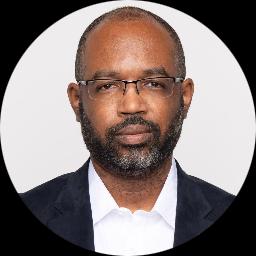
David Thomas, LPC
Licensed in Michigan 8 years in practice
Licensed Professional Counselor (LPC) in Michigan with eight years of experience, David Thomas works with people facing stress, anxiety, depression, grief, anger, trauma and abuse, and issues around self-esteem, career, relationships, and coping with life changes.
License and NPI
- LPC, Michigan
- 6401017991 · expires December 2026
- NPI
- 1790271583 · national provider identifier
- Years in practice
- 8
- Languages
- English
Details are as listed on the therapist's public professional profile. You can check any license with the state board and any NPI with the national registry.
About David
Licensed Professional Counselor (LPC) in Michigan with eight years of experience, David Thomas works with people facing stress, anxiety, depression, grief, anger, trauma and abuse, and issues around self-esteem, career, relationships, and coping with life changes. He lists additional focuses such as caregiver stress, fatherhood issues, first responder concerns, multicultural and men’s issues, and workplace or young adult challenges.
Sessions are presented in a straightforward, talk-based style aimed at practical change and clearer direction.
Background and approach
David uses talk to identify values and goals. He helps people notice patterns, test new behaviors, and build everyday strategies to handle hard moments. Conversations center on self-awareness and practical next steps rather than abstract theory.
He aims to move people from isolation toward more connection and purpose. His approach draws on client-centered methods, cognitive behavioral ideas, motivational interviewing, and trauma-focused work. That mix informs how he helps people change unhelpful thoughts, strengthen motivation, and address difficult memories or reactions.
Sessions tend to focus on what clients want to change and how to get there in usable steps. David describes therapy as a place for discovery and growth. He emphasizes reflective thinking about relationships, community, and personal experience.
He works with people to create strategies that fit daily life and reduce recurring distress. Practical goals include clearer decision making, improved coping skills, and steadier mood or behavior. The LPC credential is noted on his profile.
People who want straightforward, talk-based work that aims for measurable change may find his style direct and goal-oriented.
Focus areas and approaches
Everything David lists on their public professional profile, in their own terms.
- Stress, Anxiety
- Self esteem
- Career difficulties
- Coping with life changes
- Coaching
- Relationship issues
- Trauma and abuse
- Grief
- Anger management
- Depression
- Compassion fatigue
- Caregiver issues and stress
- Communication problems
- Emptiness
- Fatherhood issues
- First responder issues
- Guilt and shame
- Isolation / loneliness
- Life purpose
- Men's issues
- Multicultural concerns
- Post-traumatic stress
- Prejudice and discrimination
- Self-love
- Workplace issues
- Young adult issues
Approaches David names
- Client-Centered Therapy
- Cognitive Behavioral Therapy (CBT)
- Motivational Interviewing
- Trauma-Focused Therapy
Naming an approach is not evidence of training in it. This directory copies what each therapist lists and does not check training records.
Online support
Approach and how online sessions work
Client-Centered Therapy focuses on listening and helping people clarify their own values and goals. It relies on reflective conversation so clients can notice patterns and choose actions that align with what matters to them.Cognitive Behavioral Therapy (CBT) looks at the links between thoughts, feelings, and behaviors. It uses practical exercises and small behavior changes to reduce symptoms like anxiety or low mood and to build better daily routines.
Finding the right approach is part of the work. The therapist will collaborate with each person to decide which methods fit their needs and goals. That includes trying strategies, reviewing what helps, and adjusting plans over time in a straightforward way.
Confirm the available session formats before booking because the profile does not list specific options. Online sessions can make it easier to fit counseling into a busy week, reduce travel time, and allow shorter check-ins when needed. They also let people use quieter surroundings or avoid being on camera if that helps them focus. Ask about session length, frequency, and the technical options offered when you schedule your first meeting.
We will earn a commission if you sign up through our link, at no cost to you. It does not change what you pay or the order of the listings.
Questions people ask
What concerns does he commonly address?
He helps people with stress, anxiety, depression, grief, anger, trauma and abuse, self-esteem, career questions, relationship issues, and coping with life changes.
How would you describe his therapeutic style?
Sessions are talk-based and practical, focusing on self-awareness, values, and concrete strategies to change thoughts and behaviors.
How much experience does he have?
He has eight years of clinical experience working with a range of concerns including trauma-related issues and workplace stress.
What credential and location are listed?
He holds an LPC credential and practices in Michigan.
Which languages are sessions offered in?
Sessions are offered in English only and international clients are not accepted at this time.
What session formats are used?
The original profile does not list specific session formats; confirm current session options before booking.
How are fees handled?
Cost varies with location and sessions use a subscription model that can be canceled at any time.
How do I begin working with him?
Select the See online therapy options button, complete the short matching questionnaire, and schedule a first session.
More counselors licensed in Michigan
See all
Tracee Anderson
LPC
Licensed Professional Counselor - Trauma and Self-Esteem
- Trauma and abuse
- Self esteem
- Coping with life changes
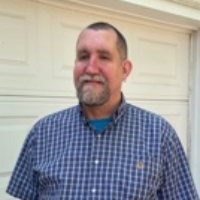

Steven Baruch
LPC
Licensed Professional Counselor - Anxiety and Mood
- Stress, Anxiety
- Depression
- Addictions
Surnames under T · every counselor in the directory whose surname starts with T
Is this your profile?
Ask us to correct details or take the page down.
Contact us