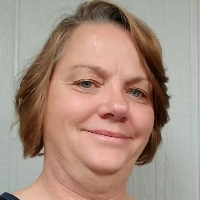
Mary Geiger, LCPC, LMFT
Licensed in Montana 14 years in practice
Licensed Clinical Professional Counselor and Licensed Marriage and Family Therapist in Montana with 14 years of experience, Mary Geiger works with stress, anxiety, addictions, trauma and abuse, anger, depression, LGBT concerns, relationships, family issues, grief, intimacy-related issues, eating and sleeping problems, parenting, self-esteem, bipolar, coping with life changes, and ADHD.
License and NPI
- LCPC, Montana
- BBH-LCPC-LIC-1500 · expires December 2026
- LMFT, Montana
- BBH-LMFT-LIC-122 · expires December 2026
- NPI
- 1982915831 · national provider identifier
- Years in practice
- 14
- Languages
- English
Details are as listed on the therapist's public professional profile. You can check any license with the state board and any NPI with the national registry.
About Mary
Licensed Clinical Professional Counselor and Licensed Marriage and Family Therapist in Montana with 14 years of experience, Mary Geiger works with stress, anxiety, addictions, trauma and abuse, anger, depression, LGBT concerns, relationships, family issues, grief, intimacy-related issues, eating and sleeping problems, parenting, self-esteem, bipolar, coping with life changes, and ADHD.
She also focuses on abandonment, attachment issues, codependency, communication problems, guilt and shame, isolation and loneliness, mood disorders, and post-traumatic stress.
Background and approach
Mary sees adults, adolescents, children, and families in her independent practice and provides clinical services in a corrections setting. Mary uses practical, evidence-informed approaches in sessions. She often draws on Cognitive Behavioral Therapy (CBT) to help people identify unhelpful thinking and make changes in behavior.
Acceptance and Commitment Therapy (ACT) is used to clarify values and build consistent action. Dialectical Behavior Therapy (DBT) skills are taught for emotion regulation and distress tolerance. Motivational Interviewing can help with readiness to change around substance use.
She and the client decide which methods fit best. In the office she begins by listening to what is most pressing and what has been tried. Together they set specific goals and develop a plan.
Sessions include discussion, skill practice, and steps to try between visits. Family and relationship topics are addressed with attention to roles and communication. Her work in a corrections setting informs her approach to substance abuse and felony-related treatment.
That background shapes practical interventions for people dealing with legal or behavioral consequences. Living in rural Montana, Mary balances clinical work with family time and outdoor activities. She speaks English.
To start, prospective clients use the site process to match and schedule a first session.
Focus areas and approaches
Everything Mary lists on their public professional profile, in their own terms.
- Stress, Anxiety
- Addictions
- Trauma and abuse
- Anger management
- Depression
- LGBT
- Relationship issues
- Family conflicts
- Grief
- Intimacy-related issues
- Eating disorders
- Sleeping disorders
- Parenting issues
- Self esteem
- Bipolar disorder
- Coping with life changes
- ADHD
- Abandonment
- Antisocial personality
- Attachment issues
- Codependency
- Communication problems
- Dependent personality
- Guilt and shame
- Isolation / loneliness
- Mood disorders
- Post-traumatic stress
Approaches Mary names
- Acceptance and Commitment Therapy (ACT)
- Cognitive Behavioral Therapy (CBT)
- Dialectical Behavior Therapy (DBT)
- Motivational Interviewing
- Solution-Focused Therapy
- Trauma-Focused Therapy
Naming an approach is not evidence of training in it. This directory copies what each therapist lists and does not check training records.
Online support
Therapeutic approaches used in online sessions
Mary commonly uses Acceptance and Commitment Therapy (ACT) online to help people clarify what matters to them and then take small, consistent actions that reflect those values. ACT emphasizes noticing thoughts without getting stuck in them and building a life around chosen directions.Cognitive Behavioral Therapy (CBT) is another approach she uses to identify unhelpful thought patterns and develop practical skills to change behavior and improve mood. CBT often involves short exercises and repeated practice between sessions.
Dialectical Behavior Therapy (DBT) skills are taught for emotion regulation, distress tolerance, and improving interpersonal effectiveness. These skills can be practiced in session and applied to daily situations such as managing anger or relationship conflict.
Finding the best approach is collaborative. Mary will talk with the client about goals, try methods that fit the situation, and adjust the plan based on what works. The first few sessions are used to figure out a practical path forward together.
Confirm the session formats before booking since the biography does not list specific online or in-person formats. Online work can make it easier to fit counseling into a busy life by reducing travel, allowing shorter check-ins when needed, and letting people join from a quieter location or during a break at work. These practical benefits can help maintain consistency with sessions and practice between meetings.
We will earn a commission if you sign up through our link, at no cost to you. It does not change what you pay or the order of the listings.
Questions people ask
What concerns does she work with most often?
Mary works with a wide range of concerns including stress, anxiety, addictions, trauma and abuse, depression, relationship and family issues, grief, eating and sleeping problems, parenting, self-esteem, bipolar, ADHD, and related mood or trauma issues.
What approaches does she use in sessions?
She uses several evidence-informed approaches such as Acceptance and Commitment Therapy, Cognitive Behavioral Therapy, Dialectical Behavior Therapy skills, Motivational Interviewing, and Solution-Focused Therapy. The methods are chosen to match the client's goals.
How much clinical experience does she have?
Mary has 14 years of experience working in both independent practice and a corrections setting, including substance abuse and mental health treatment for individuals with felony DUIs.
Which credentials and location apply to her practice?
She holds MT LCPC and MT LMFT credentials and practices in Montana.
In what languages are sessions offered?
Sessions are offered in English only.
Does she take international clients?
She does not accept international clients at this time.
How are sessions paid for and what does cost depend on?
Cost varies with location and sessions use a subscription that can be canceled at any time. Exact pricing depends on the chosen subscription plan for the client's region.
How do I begin working with her?
Use the See online therapy options button, complete the short matching questionnaire, and schedule a first session through the platform.
More counselors licensed in Montana
See all
Maurice Pritchard
LCPC
Licensed Clinical Professional Counselor - Stress and Trauma
- Stress, Anxiety
- Trauma and abuse
- Grief

Andrew McDalasair
LCPC
Licensed Clinical Professional Counselor - Mood and stress care
- Stress, Anxiety
- Depression

Lisa Johnson
LCPC
Licensed Clinical Professional Counselor - stress and relationships
- Stress, Anxiety
- Trauma and abuse
- Grief
Lawrence "Lance" Bischoff
LCPC
Licensed Clinical Professional Counselor - Stress and Anxiety
- Stress, Anxiety
- Relationship
- Self esteem
Surnames under G · every counselor in the directory whose surname starts with G
Is this your profile?
Ask us to correct details or take the page down.
Contact us