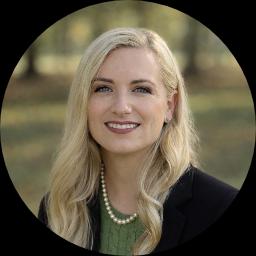
Dr. Sarah Kinsch, LPC
Licensed in Pennsylvania 10 years in practice
Licensed Professional Counselor (LPC) in Pennsylvania with ten years of experience, Dr.
License and NPI
- LPC, Pennsylvania
- PC012100 · expires February 2027
- NPI
- 1306627575 · national provider identifier
- Years in practice
- 10
- Languages
- English
Details are as listed on the therapist's public professional profile. You can check any license with the state board and any NPI with the national registry.
About Sarah
Licensed Professional Counselor (LPC) in Pennsylvania with ten years of experience, Dr. Sarah Kinsch focuses on stress, anxiety, intimacy-related concerns, self-esteem, coping with life changes, compassion fatigue, grief, and bipolar conditions. She works with people who are new to therapy and those who feel unsure about the process.
Sarah uses straightforward language and short, practical steps to make beginning therapy less overwhelming. Dr. Kinsch prefers a conversational style that reduces pressure.
Background and approach
She offers a messaging-forward option in her practice because many people find weekly video sessions hard to commit to. That approach lets clients start small, raise concerns, and build comfort before trying longer sessions. Her background includes a Doctorate in Psychology and a Master’s in Clinical Therapy, and she holds the LPC credential listed above.
Over a decade of clinical work informs a practical focus on immediate problems and daily coping skills rather than abstract theory. Therapeutically she draws on Client-Centered Therapy to prioritize the client’s perspective. She also uses Cognitive Behavioral Therapy to identify unhelpful thoughts and Dialectical Behavior Therapy skills for emotion regulation and distress tolerance.
These methods are explained plainly and practiced in brief steps. Dr. Kinsch addresses issues related to attachment, communication problems, first responder stress, guilt and shame, impulsivity, life purpose, veteran and armed forces concerns, personality disorders, self-harm, self-love, women’s issues, workplace stress, and young adult concerns.
She helps people make small changes that fit into everyday life. Clients can expect short, clear goals and regular review of progress. The initial process is designed to reduce the friction of starting therapy and to match the work to what feels manageable for each person.
Focus areas and approaches
Everything Sarah lists on their public professional profile, in their own terms.
- Stress, Anxiety
- Intimacy-related issues
- Self esteem
- Coping with life changes
- Compassion fatigue
- Grief
- Bipolar disorder
- Attachment issues
- Communication problems
- First responder issues
- Guilt and shame
- Impulsivity
- Life purpose
- Veteran and Armed Forces Issues
- Personality disorders
- Self-harm
- Self-love
- Women's issues
- Workplace issues
- Young adult issues
Approaches Sarah names
Naming an approach is not evidence of training in it. This directory copies what each therapist lists and does not check training records.
Online support
Approaches used in online sessions and how they help
Client-Centered Therapy focuses on listening to the client’s perspective and reflecting it back to help clarify concerns. It helps people who need a nonjudgmental space to sort their thoughts and decide what matters most to them.Cognitive Behavioral Therapy (CBT) looks at how thoughts influence feelings and actions. It uses practical exercises to change patterns that increase anxiety or low mood, which can help with stress, self-esteem, and coping with life changes.
Dialectical Behavior Therapy (DBT) teaches skills for regulating intense emotions, tolerating distress, and improving interpersonal effectiveness. These skills are useful for impulsivity, strong mood swings, and managing overwhelming feelings.
Finding the right approach is part of the work. The therapist will collaborate with the client to pick methods that match their needs, goals, and preferences. That conversation is ongoing and can change as progress is reviewed.
Confirm which session formats are offered before booking, since the biography indicates a messaging-centered option but does not list other formats. Online sessions can make it easier to fit counseling into daily life by reducing travel and by allowing brief check-ins when a longer session is difficult. They can also support steady practice of skills between meetings. Licensed professionals commonly use online options to maintain regular contact and to integrate therapy into a busy schedule.
We will earn a commission if you sign up through our link, at no cost to you. It does not change what you pay or the order of the listings.
Questions people ask
What concerns does she address most often?
She commonly works with stress, anxiety, intimacy-related issues, self-esteem, coping with life changes, compassion fatigue, grief, and bipolar conditions.
How would you describe her therapeutic style?
Her style is conversational and practical, using short steps and clear goals. She emphasizes approachable explanations rather than clinical language.
What is her clinical experience?
She has ten years of experience and holds a Doctorate in Psychology plus a Master’s in Clinical Therapy.
Where is she licensed to practice?
She is a Licensed Professional Counselor (LPC) licensed in Pennsylvania.
Which languages does she offer sessions in?
Sessions are offered in English.
Can international clients work with her?
International clients are not currently accepted.
What are the session formats and cost structure?
Session formats should be confirmed before booking; cost varies by location and uses a subscription that can be canceled at any time.
How do I begin the process?
Start by selecting the See online therapy options button, completing a short matching questionnaire, and scheduling a first session.
More counselors licensed in Pennsylvania
See all

Stephen Geibel
LPC
Licensed Professional Counselor - Stress and Mood
- Stress, Anxiety
- Relationship
- Trauma and abuse

Yolanda Aguinaga
LPC
Licensed counselor - mood and coping issues
- Stress, Anxiety
- Addictions
- Relationship

Surnames under K · every counselor in the directory whose surname starts with K
Is this your profile?
Ask us to correct details or take the page down.
Contact us