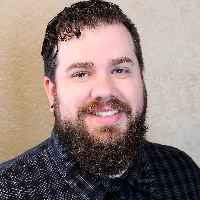
James Bunch, LPCC
Licensed in Ohio 7 years in practice
Licensed Professional Clinical Counselor (LPCC) in Ohio with seven years of counseling experience, James Bunch helps people work through stress, anxiety, depression, relationship and family concerns, trauma and abuse, grief, and intimacy-related issues.
License and NPI
- LPCC, Ohio
- E.1700001 · expires January 2027
- NPI
- 1639618432 · national provider identifier
- Years in practice
- 7
- Languages
- English
Details are as listed on the therapist's public professional profile. You can check any license with the state board and any NPI with the national registry.
About James
Licensed Professional Clinical Counselor (LPCC) in Ohio with seven years of counseling experience, James Bunch helps people work through stress, anxiety, depression, relationship and family concerns, trauma and abuse, grief, and intimacy-related issues. He also addresses parenting struggles, anger, bipolar challenges, panic attacks, process addictions, and related issues such as communication problems, commitment concerns, forgiveness, and guilt and shame.
James frames his role as a counselor in practical terms. He listens first, then works with each person to identify steps that feel realistic.
Background and approach
Sessions focus on clear strategies and skills people can use between meetings. He brings direct conversation and structured tools rather than abstract theory. His approach blends several evidence-informed methods.
Cognitive Behavioral Therapy (CBT) is used to spot and change unhelpful thinking and behavior patterns. Dialectical Behavior Therapy (DBT) supplies skills for emotion regulation and distress tolerance. Mindfulness and Motivational Interviewing help with awareness and readiness for change, and Solution-Focused techniques aim for small, achievable goals.
James notes experience with couples and relationship work in recent years and describes that as a major focus. He also has experience in group settings. His background includes a Bachelor of Arts in Psychology from Cedarville University and a Master of Arts in Professional Counseling from Liberty University.
Outside of practice he lives in Ohio, is married, and is a parent. He mentions personal interests like spending time outdoors, music, sports, reading, and community involvement. That personal context shapes how he relates to practical life concerns in sessions.
Focus areas and approaches
Everything James lists on their public professional profile, in their own terms.
- Stress, Anxiety
- Relationship issues
- Family conflicts
- Depression
- Trauma and abuse
- Grief
- Intimacy-related issues
- Parenting issues
- Anger management
- Bipolar disorder
- Commitment issues
- Communication problems
- Forgiveness
- Guilt and shame
- Panic disorder and panic attacks
- Process addiction (porn, exercise, gambling)
Approaches James names
- Cognitive Behavioral Therapy (CBT)
- Dialectical Behavior Therapy (DBT)
- Mindfulness Therapy
- Motivational Interviewing
- Solution-Focused Therapy
Naming an approach is not evidence of training in it. This directory copies what each therapist lists and does not check training records.
Online support
How therapeutic approaches are used in online sessions
James commonly draws on Cognitive Behavioral Therapy and Dialectical Behavior Therapy in his work. CBT focuses on identifying and changing unhelpful thoughts and behaviors, which can help with anxiety, depression, panic attacks, and some process addictions. DBT emphasizes concrete skills for regulating emotions, tolerating distress, and improving interpersonal effectiveness, which can help with anger, relationship strain, and intense mood swings.He also uses mindfulness-based techniques to increase moment-to-moment awareness and motivational interviewing to clarify goals and boost readiness for change. Figuring out which combination fits best is part of the collaborative process. The therapist and client review goals and try approaches that match the client's needs and preferences, adjusting methods as progress is assessed.
Session formats are not listed here, so confirm current options before booking. In general, online work can make it easier to fit counseling into a busy week, allow short check-ins when needed, and reduce travel time. It can also let people practice skills in real-life settings and bring specific situations into conversation. Licensed professionals will help choose the practical setup that best fits scheduling, access, and the type of work the client wants to do.
We will earn a commission if you sign up through our link, at no cost to you. It does not change what you pay or the order of the listings.
Questions people ask
What concerns does he most often address?
He works with stress, anxiety, depression, trauma and abuse, relationship and family concerns, grief, intimacy-related issues, parenting, anger, bipolar disorder, panic attacks, and process addictions.
What is his therapeutic style?
He uses practical, skills-oriented methods such as CBT, DBT, mindfulness, motivational interviewing, and solution-focused techniques to set concrete goals and teach tools people can use between sessions.
How much experience does he have?
He has seven years of clinical counseling experience working with individuals and in group settings.
What are his credentials and location?
He is an LPCC licensed in Ohio and practices there.
Which languages are supported?
Sessions are offered in English.
Can international clients work with him?
International clients are not currently accepted.
How are sessions scheduled and what formats are used?
Please confirm current session formats before booking, as formats are not specified here.
How are fees handled and how do subscriptions work?
Cost varies with location; sessions use a subscription that can be canceled at any time.
More counselors licensed in Ohio
See all
Chris Kohlmann
LPCC
Licensed counselor for stress and relationships
- Stress, Anxiety
- Relationship
- Self esteem

Sherri Burkert
LPCC
Licensed counselor - mood and addiction concerns
- Stress, Anxiety
- Addictions
- Family

Robert Ksiazkiewicz
LPCC
Licensed counselor - Stress and addictions
- Stress, Anxiety
- Addictions
- Trauma and abuse

Dr. Julie McCune
LPCC
Dr. Julie McCune - Licensed Professional Counselor focusing on anxiety and relationships
- Stress, Anxiety
- LGBT
- Relationship
Surnames under B · every counselor in the directory whose surname starts with B
Is this your profile?
Ask us to correct details or take the page down.
Contact us