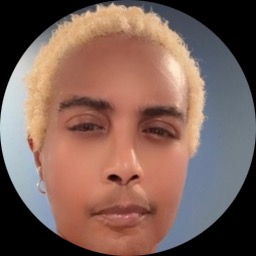
Lorraine Latchman, LPC
Licensed in Colorado 6 years in practice
Licensed Professional Counselor (LPC) in Colorado with six years of clinical work, Lorraine Latchman focuses on trauma and abuse, grief, intimacy-related issues, self esteem, and compassion fatigue.
License and NPI
- LPC, Colorado
- LPC.0021604 · expires August 2027
- NPI
- 1982211314 · national provider identifier
- Years in practice
- 6
- Languages
- English
Details are as listed on the therapist's public professional profile. You can check any license with the state board and any NPI with the national registry.
About Lorraine
Licensed Professional Counselor (LPC) in Colorado with six years of clinical work, Lorraine Latchman focuses on trauma and abuse, grief, intimacy-related issues, self esteem, and compassion fatigue. Lorraine writes directly about intergenerational wounds, attachment problems, and the weight of living in systems that contribute to ongoing harm. She speaks plainly about the ache people carry beneath a capable exterior.
Lorraine approaches the work by tracing patterns back to their roots.
Background and approach
She looks at family history and attachment wounds that shape how people relate to themselves and others. She also considers community and cultural forces that keep certain harms repeating over time. Her practice draws on attachment theory, the Community and Trauma Resiliency Model, and a decolonizing lens.
That means she examines relational patterns, teaches concrete skills to regulate stress, and considers social and cultural context in how problems began and persist. Sessions focus on naming what has been carried and on learning specific skills to reduce the daily weight of that history.
Lorraine helps people notice patterns, practice new ways of relating, and build strategies to feel steadier in day-to-day life. Her style is direct and practical. Conversations include exploring family patterns, practicing resiliency skills, and addressing how prejudice or systemic forces affect mental health.
Lorraine aims to help people move from numbness and disconnection toward clearer self-understanding.
Focus areas and approaches
Everything Lorraine lists on their public professional profile, in their own terms.
- Trauma and abuse
- Grief
- Intimacy-related issues
- Self esteem
- Compassion fatigue
- Attachment issues
- Body image
- Chronic pain, illness, and disability
- Codependency
- Communication problems
- Guilt and shame
- Life purpose
- Multicultural concerns
- Prejudice and discrimination
- Self-love
- Sexuality
Online support
Therapeutic approaches and online sessions
Attachment theory looks at how early relationships shape current ways of relating. Work from this perspective identifies recurring relational patterns and helps people try different responses in their close relationships. The Community and Trauma Resiliency Model teaches concrete skills to reduce physiological stress and build steadier day-to-day regulation. A decolonizing lens brings attention to how culture and systems influence personal and community harm, and it guides conversations about identity and social context.Finding the best approach is collaborative. Lorraine will work with each person to identify what fits their needs and goals. That might mean combining skill-building with exploration of family patterns or focusing on how community experiences affect emotional life.
The biography does not list specific session formats, so confirm available options before booking. In general, online sessions can make it easier to fit counseling into a busy schedule, reduce travel time, and allow shorter check-ins when that suits a day. They also let people use different communication modes when managing pain, illness, or fatigue. Ask about the exact session formats offered and how they could work with your routine.
We will earn a commission if you sign up through our link, at no cost to you. It does not change what you pay or the order of the listings.
Questions people ask
What concerns does she focus on most?
She focuses on trauma and abuse, grief, intimacy-related issues, self esteem, and compassion fatigue. Additional areas include attachment issues, body image, chronic pain and illness, codependency, communication problems, guilt and shame, life purpose, multicultural concerns, prejudice and discrimination, self-love, and sexuality.
What is her therapeutic approach and style?
She uses attachment theory, the Community and Trauma Resiliency Model, and a decolonizing lens. Sessions emphasize understanding relational patterns and learning practical skills to manage stress and emotional numbness.
How much clinical experience does she have?
She has six years of clinical experience. That experience informs work with intergenerational trauma and related concerns.
Where is she licensed and practicing?
She holds an LPC credential and practices in Colorado. The profile lists her credential as LPC.
Which languages are sessions offered in?
Sessions are offered in English. International clients are not currently accepted.
What session formats are available?
The original biography does not specify session formats. Confirm current session options before booking to know whether sessions are in person, video, or phone.
How are fees handled?
Cost varies with location and sessions use a subscription that can be canceled at any time. Specific fee details depend on the chosen plan and location.
How do I begin the process?
Select the See online therapy options button, complete a short matching questionnaire, and schedule a first session. That sequence starts the intake and scheduling process.
More counselors licensed in Colorado
See all
Klara Brown
LPC
Licensed counselor for relationships and stress
- Stress, Anxiety
- Relationship
- Self esteem
Christine O'Neill
LPC, LCPC
Licensed counselor - mood and behavior
- Stress, Anxiety
- Addictions
- Relationship
Benjamin Wayburn
LPC
Licensed Professional Counselor - Stress and Relationships
- Stress, Anxiety
- Trauma and abuse
- Grief
Abigail Todd
LPC
Licensed counselor focused on relationships and trauma
- Relationship
- Family
- Trauma and abuse
Surnames under L · every counselor in the directory whose surname starts with L
Is this your profile?
Ask us to correct details or take the page down.
Contact us