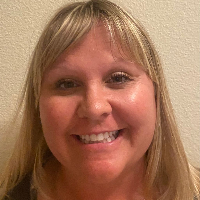
Klara Brown
LPC
Licensed counselor for relationships and stress
- Stress, Anxiety
- Relationship
- Self esteem
Licensed professional counselors
282 counselors in this directory hold a license issued in Colorado. Sessions are online, but a counselor can normally only work with people located in a state where they hold a license, so check the license panel on each profile. Depending on the state, the license may be called LPC, LPCC or LCPC.
Welcome to our Colorado directory of online therapists. All listed providers hold a Colorado license and describe their approaches, focus areas, credentials, and languages.
Explore the listings to compare profiles and learn more about therapists who may match your needs.
LPC
Licensed counselor for relationships and stress
LPC, LCPC
Licensed counselor - mood and behavior
LPC
Licensed Professional Counselor - Stress and Relationships
LPC
Licensed counselor focused on relationships and trauma
LPC
Licensed counselor for anxiety and depression
LPC
Licensed counselor for LGBT and relationships
LPC, LIMHP
Licensed Professional Counselor - Relationships and Addictions
LPC
Licensed Professional Counselor - Stress and Trauma
LPC
Licensed counselor - stress and relationships
LPC
Licensed Professional Counselor - Trauma and Grief
LPC
Licensed Professional Counselor - Anxiety and Addictions
LPC
Licensed Professional Counselor - Relationships and Mood
LPC
Licensed counselor - anxiety and addictions
LPC
Licensed Professional Counselor - relationships and anxiety
LPC, LMFT
Licensed counselor - relationships and addictions
LPC
Licensed counselor - sexuality and relationships
LPC
Licensed Professional Counselor - Stress and Parenting
LPC, LMHC
Licensed Professional Counselor - Trauma and Anxiety
LPC
Licensed Professional Counselor - anxiety and addictions
LPC
Licensed counselor - stress and relationships
LPC
Licensed counselor - stress and relationships
LPC
Licensed counselor - relationships and mood
LPC
Licensed counselor - relationships and family
LPC
Licensed Professional Counselor - Mood and trauma care
LPC
Licensed Professional Counselor - relationships and mood
LPC, LCPC
Licensed counselor - stress and mood concerns
LPC
Licensed Professional Counselor - Relationships and anxiety
LPC
Licensed counselor - relationships and trauma
LPC
Licensed counselor - trauma and mood concerns
LPC
Licensed counselor - stress and trauma
LPC
Licensed counselor - relationships and life changes
LPC
Licensed Professional Counselor - Anxiety and Stress
Some links on this page are partner links. We will earn a commission if you sign up through one, at no cost to you. It does not change what you pay or the order of the listings.
Online therapy in Colorado has become an accessible option for many residents across urban, suburban, and rural communities. If you live in Denver, Colorado Springs, Fort Collins, or a smaller mountain town, you can find licensed clinicians who offer sessions through video or phone. Many therapists list the approaches they use, the populations they work with, and the languages they speak on their profiles so you can get a clear sense of whether a style or focus might be a good fit. States maintain rules about practicing across state lines, so therapists who provide services to people physically located in Colorado typically hold a Colorado license. Your search can begin by filtering profiles by specialization, approach, or language to narrow the field to clinicians who appear to match what you want from care.
Online therapy models vary. Some clinicians structure sessions similarly to traditional in-person work, with regular weekly appointments and clinical intake paperwork completed electronically. Others offer more flexible formats such as brief coaching-style conversations, longer-term psychotherapy, or continuity of care for people who relocate within the state. Because each clinician lists different scopes and approaches, you can use profile information to identify those who explicitly note experience with the issues you want to address and to learn about their stated methods.
Online therapy can reduce common barriers to accessing care, including travel time, transportation challenges, and the constraints of living far from a metropolitan center. You may find it easier to attend sessions when you do not need to leave home or take extended commuting time through mountain traffic or winter weather. For caregivers, people with mobility concerns, and those with tight schedules, online sessions often offer greater flexibility when it comes to fitting care into daily life.
Another benefit is the ability to find clinicians who list specific language abilities or specializations that are important to you. If you prefer sessions in Spanish, another language, or want a therapist who works frequently with particular populations or life stages, the directory allows you to find clinicians who describe those attributes. Online therapy also enables continuity of care during life transitions, such as moving within the state or changing jobs, because you can maintain a relationship with the same clinician provided you remain physically located in Colorado.
Finally, many people find that remote sessions feel more comfortable when starting therapy, because you can participate from a familiar environment. To make the most of that comfort, plan to join calls from a quiet, interruption-free area and check the technology in advance so your session time is focused on the work rather than troubleshooting audio or video.
Online therapists in Colorado commonly work with a wide range of concerns that include anxiety, depression, relationship challenges, stress management, grief, adjustment to life changes, and support for parenting and family dynamics. Many clinicians also describe work with trauma recovery, substance-related issues, and identity-related concerns such as LGBTQ+ matters. When reviewing profiles, you will see clinicians indicate the client populations they typically work with - for example adolescents, adults, couples, families, or older adults - and the kinds of life circumstances they address. Because therapists list their approaches rather than formal credentials for every method, you may find profiles that mention cognitive-behavioral approaches, psychodynamic perspectives, mindfulness-based practices, or other interventions. If a specific modality matters to you, look for clinicians who list that approach among their practice methods.
To begin with an online therapist, first identify a few profiles that align with your priorities - approach, language, population focus, or stated specialties. Read each clinician's description to learn how they structure sessions and what clients typically experience during intake. Prepare a short list of questions you want to ask when you reach out, such as their typical session length, fee structure, whether they work with your insurance, and how they handle clinical emergencies. When you contact a clinician, you will likely be asked to complete intake forms and provide consent information electronically. Before your first session, test your camera and microphone, and choose a quiet, uninterrupted spot where you can speak openly. If you will be in a shared home, consider planning the session during a time when others will be out or ask them to respect your session time. Having an email or typed note with the clinician's contact details and any agreed-upon follow-up steps will help you stay organized as you begin care.
Confirming that a therapist holds an active Colorado license is an important step. The Colorado Department of Regulatory Agencies maintains a license lookup service where you can search by name to view license status, expiration date, and whether any disciplinary actions appear on record. When you search, note the exact license type listed - for example Licensed Professional Counselor or another relevant category - and compare it to the license the clinician lists on their profile. License lookup pages typically include a license number, issuance date, and renewal history, which can help you confirm that the practitioner is registered in Colorado.
Beyond the basic license check, look for public records of disciplinary actions or restrictions. If you have questions about a listing you find, you can contact the licensing board directly to ask for clarification about the public record entry. Keep in mind that licensing records are official documents and represent the most reliable way to confirm that a person is authorized to practice in Colorado. If a clinician offers care across state lines, it is appropriate to ask whether they hold a Colorado license for services provided while you are physically located in Colorado. Verifying a license helps you understand the regulatory framework that governs practice and provides important context about the clinician's legal standing.
Choosing a therapist is a personal decision that often benefits from thoughtful consideration and clear communication. Start by identifying what matters most to you in therapy - whether it is the therapist's approach, experience with particular issues, language ability, cultural background, or a specific population focus. Use profile descriptions to make an initial selection, then reach out with concise questions to learn more about how the clinician works. Ask about the structure of sessions, typical length and frequency, fees and payment options, and whether they work with your insurer if that is relevant to you. These practical details will help you assess fit without asking about availability or making assumptions about openings.
During the first few sessions, pay attention to how comfortable you feel sharing your concerns and whether the clinician's communication style matches your needs. It is reasonable to expect an initial plan that outlines goals and how the clinician proposes to work with you. If you want certain approaches, look specifically for clinicians who list those methods among their approaches. Remember that many people try more than one clinician before finding the right match, and that a good therapeutic relationship often depends on the interpersonal fit as much as on clinical approach.
Finally, consider logistical and practical factors such as appointment timing, session format (video or phone), language, and whether the clinician's stated policies on cancellations and fees work for your situation. Preparing a few goals you hope to address before your first appointment will help you and the clinician use session time effectively. With clear priorities and careful review of profiles, you can find an online therapist in Colorado who aligns with your needs and preferences and begin a process of care that suits your life and circumstances.