Licensed professional counselors
Counselors licensed in Texas
1,484 counselors in this directory hold a license issued in Texas. Sessions are online, but a counselor can normally only work with people located in a state where they hold a license, so check the license panel on each profile. Depending on the state, the license may be called LPC, LPCC or LCPC.
Welcome to our directory of online therapists serving Texas. All therapists listed here hold a Texas license and share their professional approaches, languages and focus areas. Explore profiles to learn more and narrow your search for a therapist who fits your needs.


Jodie Tarver
LPC
Licensed Professional Counselor - Stress and Trauma
- Stress, Anxiety
- Trauma and abuse
- Grief

Dr. Melody Allen
LPC, LMFT
Licensed counselor - relationships and anxiety
- Stress, Anxiety
- Relationship
- Family


Aaron Mandzak
LPC
Licensed counselor - anxiety and relationships
- Stress, Anxiety
- Relationship
- Self esteem

Dr. Lisa Daniel
LPC
Licensed Professional Counselor - Stress and Relationship Concerns
- Stress, Anxiety
- Relationship
- Trauma and abuse

Adeola Oyewole
LPC
Licensed Professional Counselor - anxiety and trauma
- Stress, Anxiety
- Trauma and abuse
- Self esteem


Maddisson Elizardo
LPC
Licensed Professional Counselor - Anxiety and Addictions
- Stress, Anxiety
- Addictions
- Relationship

Paula Arizola
LPC
Licensed counselor - anxiety and trauma
- Stress, Anxiety
- Trauma and abuse
- Self esteem


Wendy Contreras
LPC
Licensed Professional Counselor - Stress and Anxiety
- Stress, Anxiety
- Trauma and abuse
- Self esteem

Favour Bartholomew
LPC
Licensed Professional Counselor - anxiety and stress
- Stress, Anxiety
- Relationship
- Self esteem

Paola Garcia
LPC
Licensed counselor - anxiety and relationships
- Stress, Anxiety
- Relationship
- Self esteem

Habiba Salim
LPC
Licensed counselor - anxiety and relationships
- Stress, Anxiety
- Relationship
- Self esteem


Kyteria Raglin
LPC
Licensed Professional Counselor - Anxiety and Relationships
- Stress, Anxiety
- Relationship
- Trauma and abuse



Cynthia Lassmann
LPC
Licensed Professional Counselor focused on anxiety and relationships
- Stress, Anxiety
- Relationship
- Self esteem

Jo Ann Partain-Broquie
LPC
Licensed Professional Counselor - Mood and Relationship Concerns
- Depression
- Stress, Anxiety
- Relationship

Heather Alexander
LPC
Licensed counselor - stress and relationships
- Stress, Anxiety
- Relationship
- Parenting


Melinda Johnson
LPC
Licensed Professional Counselor - Anxiety and Trauma
- Stress, Anxiety
- Trauma and abuse
- Grief

Stephanie Tran
LPC
Licensed Professional Counselor - Addictions and Trauma
- Addictions
- Trauma and abuse
- Grief

Callyncia Lanaux
LPC
Licensed Professional Counselor - Stress and Body Image
- Stress, Anxiety
- Family
- Self esteem

Jasper York
LPC
Licensed Professional Counselor - Stress and Anxiety
- Stress, Anxiety
- Grief
- Self esteem

Dr. Marilyn Thomas
LPC
Licensed counselor - anxiety and relationships
- Stress, Anxiety
- LGBT
- Relationship

Vionnette Maldonado
LPC
Licensed counselor - anxiety and relationships
- Stress, Anxiety
- Relationship
- Trauma and abuse

Vanessa King
LPC
Licensed Professional Counselor - relationships and anxiety
- Stress, Anxiety
- Relationship
- Trauma and abuse


Paola Oseguera
LPC
Licensed Professional Counselor - stress and relationships
- Stress, Anxiety
- Relationship
- Depression
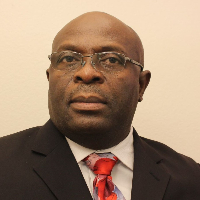
John Nweke
LPC
Licensed counselor - Addictions and relationships
- Addictions
- Relationship
- Trauma and abuse
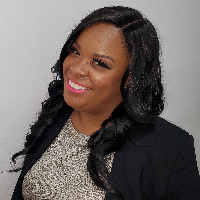


Jazsmene Miller
LPC
Licensed Professional Counselor - Stress and Trauma
- Stress, Anxiety
- Trauma and abuse
- Anger

Latrina Majors
LPC
Licensed Professional Counselor focused on anxiety and relationships
- Stress, Anxiety
- Relationship
- Self esteem
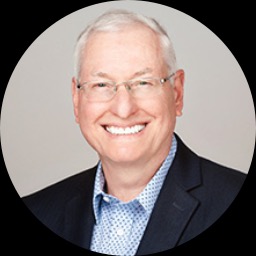


Satara Marie Smith
LPC
Licensed Professional Counselor - Trauma and Relationships
- Stress, Anxiety
- Relationship
- Trauma and abuse


James Herrington
LPC
Licensed Professional Counselor - trauma and relationships
- Stress, Anxiety
- Relationship
- Family


Kelly Gilmer
LPC
Licensed Professional Counselor - Relationships and Stress
- Stress, Anxiety
- Relationship
- Family
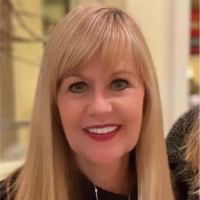
Carolyn Presnall
LCSW, LPC
Licensed counselor - stress and family issues
- Stress, Anxiety
- Family
- Trauma and abuse

Monica Amaro
LPC
Licensed Professional Counselor - Mood and Stress
- Stress, Anxiety
- Trauma and abuse
- Bipolar

Dianna Wheeler
LPC
Licensed counselor - trauma and coping
- Stress, Anxiety
- Trauma and abuse
- Self esteem

Justin Alexander
LPC
Licensed Professional Counselor - Stress and Anxiety
- Stress, Anxiety
- Family
- Anger
Some links on this page are partner links. We will earn a commission if you sign up through one, at no cost to you. It does not change what you pay or the order of the listings.
Online Therapy in Texas: A Practical Overview
What online therapy means where you live
If you are considering online therapy in Texas, it helps to know how the service is generally offered and what to expect from a logistical standpoint. Many licensed clinicians in Texas provide sessions through video, phone, or a combination of formats to meet different preferences. Because the therapist must be licensed in the state where you are located at the time of the session, profiles in this directory list clinicians who hold Texas licenses. That licensing requirement is important because it determines who is authorized to provide care to people residing in Texas.
Online therapy is delivered with the same professional boundaries you would expect from in-person care. Sessions typically follow a regular schedule and use a platform that supports live conversation, and therapists often describe their approaches, areas of focus and languages spoken on their profiles. Be mindful that a therapist listing an approach on a profile is a statement of what they use in practice; it is not by itself evidence of specific training or certification in that approach. You can ask questions about a clinician's experience with particular methods as you make your selection.
Benefits of Online Therapy for Texas Residents
Access and convenience across the state
Online therapy can make it easier for you to connect with a therapist without the travel time that can come with in-person sessions, especially if you live in a rural area or a community with fewer mental health providers. You can choose clinicians who list relevant clinical interests or languages even if they are based far from your town. This broader reach can help you find someone whose approach aligns with your needs and personal background.
Beyond geographic flexibility, online therapy often offers scheduling convenience because you can attend sessions from a comfortable environment, whether that is your home, a car between stops, or another familiar setting. For many people, the option to remove commuting and parking from the equation reduces friction to continuing care. Keep in mind that online sessions may not be the right fit in every situation, and certain urgent safety needs require immediate local emergency services or crisis lines. Your therapist can discuss how to plan for emergencies in your area when you begin work together.
What Online Therapists in Texas Commonly Help With
Typical areas of focus you can find
When you review profiles of Texas-based online therapists, you will see a wide range of issues that clinicians list as their focus. Many people seek help for anxiety, depression, stress related to work or school, relationship concerns, parenting challenges, grief, and life transitions. Others look for support with trauma-related symptoms, obsessive-compulsive tendencies, or difficulties connected to chronic illness or caregiving. Therapists who list substance use among their focus areas may work with clients on behavior change, relapse prevention strategies, and support for families affected by substance use.
Profiles also commonly indicate therapeutic approaches that clinicians use in session. You may find therapists who list cognitive-behavioral approaches, acceptance-based strategies, interpersonal methods, psychodynamic perspectives, or experiential techniques, among others. If you see a modality such as EMDR, DBT or CBT listed, remember that this is the clinician's reported approach and not proof of formal certification. If a particular method matters to you, plan to ask about a therapist's experience applying it in real cases during an introductory conversation.
How to Verify a Therapist's License in Texas
Steps to confirm credentials and standing
Verifying a therapist's license is an important step that helps you confirm that a clinician is authorized to practice in Texas. Most states maintain an online license lookup where you can enter a clinician's name or license number to view license type, status and any disciplinary actions. When you use the state license search, look for the license class listed on the profile, such as Licensed Professional Counselor, Licensed Clinical Social Worker, Licensed Marriage and Family Therapist, or other state designations. The record will usually show whether the license is active and if any actions or restrictions are noted.
In addition to the public license lookup, you can review a therapist's educational background, years of experience and languages spoken as listed in their profile. If you want more information, you may call the licensing board directly to confirm details or to ask about the meaning of any items that appear in a disciplinary history. Checking credentials is a practical step you can complete before scheduling an initial conversation so you feel informed about the professional standing of the clinician you are considering.
Getting Started with an Online Therapist and Choosing the Right Fit
Practical steps to begin and tips for matching
The first step to starting online therapy is to identify a few therapists whose profiles describe relevant experience, approaches and languages. After narrowing your list, reach out through the contact method provided on each profile to request an introductory conversation. During that initial contact you can ask about session format, typical session length, fees, insurance or out-of-network reimbursement, and any logistical details that matter to you. You can also ask about how the therapist structures care and how they measure progress so you know what to expect.
Choosing the right therapist often comes down to how you feel in the first few conversations. Think about whether the therapist communicates clearly, listens to your concerns, and explains their approach in a way that resonates with you. Pay attention to practical considerations as well, such as language match, cultural understanding, and the therapist's experience with your primary concern. If you have specific preferences - for example you want a clinician who lists cognitive-behavioral approaches or who works with parents - use those preferences to guide your choice. It is normal to try a few consultations before finding someone who fits your needs.
When you begin sessions, set simple goals for the first month so you and your therapist can evaluate whether the approach is working for you. Keep in mind that therapeutic progress varies across issues and individuals, and effective collaboration often involves mutual feedback between you and your clinician. If you have questions about how to handle emergencies while using online therapy, ask about the therapist's plan for crisis response and local referrals so you have clear guidance if urgent needs arise.
Final Considerations for Texas Residents Seeking Online Therapy
Practical mindset and ongoing evaluation
As you search for a therapist in Texas, maintain a practical mindset about what you need from care. Consider factors such as clinical interests, therapeutic approach, language, cultural competence and overall communication style. Use the directory to compare profiles and to identify clinicians who describe experience with issues that match your concerns. Remember that a therapist listing a particular approach on their profile is a statement about what they use in practice; if you want more detail about the depth of their experience with a technique, ask directly during a consultation.
It is also useful to periodically reassess your fit with a therapist. If you are not feeling progress after a reasonable period, or if the working relationship does not feel collaborative, you can discuss goals and adjustments with your clinician or explore other profiles in the directory. Finding the right match can take time, but by verifying credentials, clarifying expectations, and paying attention to how you experience conversations, you increase the chances of finding a clinician whose approach supports your goals.
Exploring online therapy options in Texas allows you to weigh convenience, specialization and communication style together. Use this directory to learn about clinicians' licenses, approaches and areas of focus, then contact those who align with your needs to begin a conversation about care. Your therapist search is a personal process, and taking these practical steps will help you find a professional relationship that supports your next steps.