Licensed professional counselors
Counselors licensed in Georgia
406 counselors in this directory hold a license issued in Georgia. Sessions are online, but a counselor can normally only work with people located in a state where they hold a license, so check the license panel on each profile. Depending on the state, the license may be called LPC, LPCC or LCPC.
Welcome to our Georgia online therapy directory. All therapists listed here hold a valid license to practice in Georgia, and many note specialties, approaches, languages, and experience on their profiles. Explore the listings to learn more about professionals who may fit your needs.


Junetta Watson
LPC
Licensed counselor - stress and trauma
- Stress, Anxiety
- Trauma and abuse
- Self esteem

Eiesha Porter
LPC
Licensed Professional Counselor - Stress and Trauma
- Stress, Anxiety
- Trauma and abuse
- Grief

Hillary Cromartie
LPC
Licensed Professional Counselor - anxiety and depression
- Stress, Anxiety
- Anger
- Self esteem

Patricia Kerigan M.S., LPC
Licensed Professional Counselor - Anxiety and Trauma
- Stress, Anxiety
- Trauma and abuse
- Grief

Phillippe Louis
LPC
Licensed Professional Counselor - Relationships and Anxiety
- Relationship
- Anger
- Career

Jammie Armstrong
LPC
Licensed Professional Counselor - trauma and mood concerns
- Stress, Anxiety
- Trauma and abuse
- Anger

Katherine "Katie" Farner
LPC
Licensed counselor - stress and trauma
- Stress, Anxiety
- Addictions
- Trauma and abuse

Erika Williams-Walker
LPC
Licensed counselor - trauma and addiction
- Trauma and abuse
- Coaching
- Stress, Anxiety



Tara Wojtkunski
LPC
Licensed Professional Counselor - mood and identity concerns
- LGBT
- Relationship
- Bipolar

Mark Mazzoni
LPC
Licensed Professional Counselor - mood and addiction work
- Stress, Anxiety
- Addictions
- Anger

Johnnie Gordon
LPC
Licensed Professional Counselor - Stress and relationships
- Stress, Anxiety
- Family
- Trauma and abuse

Sasha McCraw
LPC
Licensed Professional Counselor - anxiety and relationships
- Stress, Anxiety
- Relationship
- Grief
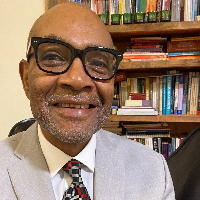
Herman Bunn
LPC
Licensed Professional Counselor - Stress and Trauma
- Stress, Anxiety
- Trauma and abuse
- Grief


Dr. Vivia Hill-Silcott
LPC
Licensed Professional Counselor - Stress and Relationships
- Stress, Anxiety
- Relationship
- Family

Gina Barthelemy-Morton
LPC
Licensed Professional Counselor - Stress and Mood
- Stress, Anxiety
- Grief
- Depression

Charles Malone
LPC
Licensed counselor - relationships and mood
- Stress, Anxiety
- Relationship
- Self esteem

Tonia Davis
LPC
Licensed Professional Counselor - Anxiety and Trauma
- Stress, Anxiety
- Relationship
- Trauma and abuse
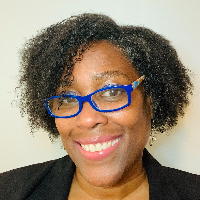

Dr. Rebecca Towns
LPC
Licensed Professional Counselor - Stress and Anxiety
- Stress, Anxiety
- Self esteem
- Career


Michael Wilson
LPC, LCPC
Licensed counselor - stress and relationships
- Stress, Anxiety
- Relationship
- Anger


Carmen Cripps Looney
LPC
Licensed counselor - mood and trauma
- Stress, Anxiety
- Addictions
- Trauma and abuse

Robert Gamboa
LPC
Licensed counselor - mood and addiction support
- Stress, Anxiety
- Relationship
- Trauma and abuse

Miranda Anderson
LPC
Licensed counselor - Stress and relationships
- Stress, Anxiety
- Addictions
- Relationship
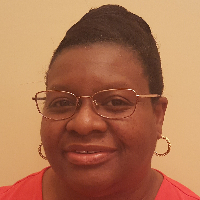
Stephanie Smith-Daniel
LPC
Licensed Professional Counselor - Anxiety and Self-Esteem
- Stress, Anxiety
- Self esteem
- Compassion fatigue

Geraldine (Geri) Godbolt
LPC
Licensed counselor - trauma and mood concerns
- Stress, Anxiety
- Trauma and abuse
- Self esteem


Gwendolyn Scrutchins
LPC
Licensed counselor - mood and trauma concerns
- Stress, Anxiety
- Anger
- Self esteem


Folayan Williams
LPC
Licensed counselor - anxiety and relationships
- Stress, Anxiety
- Relationship
- Family

L'Tanya Daniel
LPC
Licensed Professional Counselor - mood and relationships
- Self esteem
- Depression
- Relationship
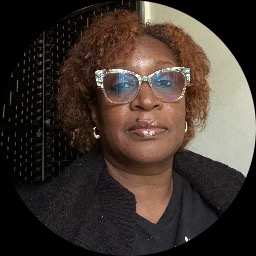
Deanna Dillard
LPC
Licensed Professional Counselor - anxiety and relationship support
- Stress, Anxiety
- Addictions
- Relationship


Rev. Gary Greene
LPC
Licensed counselor - relationships and trauma
- Stress, Anxiety
- Relationship
- Family

Marvin McRoberts
LPC
Licensed Professional Counselor - Relationships and Trauma
- Relationship
- Family
- Trauma and abuse
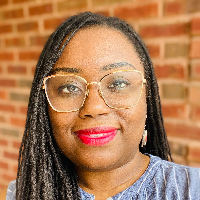
Bapuamoyo Kambeya
LPC
Licensed Professional Counselor - mood and trauma
- Stress, Anxiety
- Family
- Trauma and abuse

Theresa Mayhew
LPC
Licensed Professional Counselor - Stress and Relationships
- Stress, Anxiety
- Relationship
- Trauma and abuse

Susan Sturdivant-Miles
LPC
Licensed counselor - relationships and anxiety
- Stress, Anxiety
- Relationship
- Family



Garrick Lawton
LPC
Licensed Professional Counselor - addictions and trauma
- Stress, Anxiety
- Addictions
- Trauma and abuse

Crystal Tuck
LPC
Licensed Professional Counselor - Stress and Addictions
- Stress, Anxiety
- Addictions
- Relationship

Dr. Lynda Cokuslu
LPC
Licensed Professional Counselor - Anxiety and Relationship Concerns
- Stress, Anxiety
- Addictions
- Trauma and abuse
Some links on this page are partner links. We will earn a commission if you sign up through one, at no cost to you. It does not change what you pay or the order of the listings.
Overview of Online Therapy in Georgia
Over the past several years online therapy has become a widely used option for people across Georgia. Whether you live in a large city like Atlanta or a rural county several hours away, you will find therapists who offer sessions over video or phone, and who list a variety of therapeutic approaches on their public profiles. State licensure governs who can provide professional counseling to residents, so therapists in this directory list credentials and the types of work they do so you can make an informed choice. Teletherapy is one way many licensed professionals deliver care, and it has changed how people connect with counselors by widening geographic reach and creating new ways to fit therapy into a busy life.
When you read individual profiles you will notice differences in training labels, clinical focus, and the ways therapists describe their work. Some describe long-term psychodynamic approaches, others emphasize skills-based methods such as cognitive behavioral strategies, and some note trauma-focused work or approaches like EMDR among their approaches. Listing an approach does not by itself confirm specific certification. Use the profile details as a starting point to identify therapists whose stated interests and languages align with yours, and then follow up to ask questions that matter for your situation.
Benefits of Online Therapy for Georgia Residents
Online therapy offers practical benefits that many people in Georgia find valuable. You can save commuting time and avoid traffic while meeting from a familiar setting, which may make it easier to keep consistent sessions when your schedule is busy. For residents in rural counties or smaller towns who have fewer local options for specialized care, online sessions expand the pool of professionals you can consider. That increased reach can also help you find someone who shares your cultural background, speaks the same language, or lists experience with issues that matter to you.
Another advantage is flexibility in scheduling and format. You may be able to choose video or phone sessions based on your comfort level, and some therapists describe hybrid practices that combine occasional in-person meetings with online work. Online formats also make it possible to maintain continuity when travel or life changes interrupt your routine. To get the most out of virtual sessions you should plan a disturbance-free space and ensure you have the device and internet bandwidth needed for a clear connection. Asking about how a therapist manages privacy protections and emergency procedures can help you feel more prepared before your first appointment.
Issues Online Therapists in Georgia Commonly Help With
Therapists who offer online sessions in Georgia work with a broad range of concerns. Many profiles indicate support for anxiety, depression, stress, and life transitions such as career change, relocation, or major relationship shifts. You will also find clinicians who list experience with relationship and family dynamics, parenting challenges, grief and loss, and workplace stress. Some therapists note areas such as trauma, substance-related concerns, and identity-related issues including LGBTQ+ experiences, race and culture, or immigration-related stress.
Approaches vary and you may see therapists who list cognitive behavioral therapy, dialectical behavior therapy, acceptance and commitment approaches, psychodynamic work, and therapists who list EMDR among their approaches. Remember that listing an approach is a descriptor of what a therapist may use in sessions, not proof of a particular credential. If you have a specific concern - for example trauma-related symptoms or disordered eating - look for profiles that discuss relevant experience and then ask about how the therapist structures their work. Clear communication about goals and preferred methods helps you and the therapist determine whether the approach seems like a good fit.
How to Verify a Therapist's License in Georgia
It is important to confirm that any therapist you are considering holds an active license in Georgia. You can begin by checking the state licensing board's public records or license lookup tool. Search by the therapist's full name or license number to view details such as license type, issue and expiration dates, and whether any disciplinary actions are recorded. Common credentials you may encounter include Licensed Professional Counselor (LPC), Licensed Clinical Social Worker (LCSW), and Licensed Marriage and Family Therapist (LMFT), as well as psychologists who hold doctoral licenses. Each listing usually indicates the license status and the scope of practice associated with that credential.
When you review a licensing record, look for an active standing and the absence of unresolved public complaints. If you have questions about what you find, the licensing board can provide guidance about how to interpret the records. It can also be helpful to verify that the license is the correct type for the services you are seeking. For teletherapy specifically, remember that licensure rules mean a professional must be authorized to practice in the state where you are located at the time of the session. If you are unsure about jurisdiction or licensure language, contacting the board directly can clarify what is allowed.
Getting Started and Choosing the Right Therapist
Preparing to Reach Out
Getting started with online therapy begins with a clear idea of what you want to accomplish. Spend some time writing down the main concerns you want to address and any practical preferences you have, such as session length, language, or the therapeutic style you prefer. Use the directory to review therapist profiles, noting specialties, stated approaches, languages, and education. Profiles often include short descriptions of the populations therapists work with and the kinds of challenges they mention most often. This information can help you create a short list of professionals you want to contact.
Questions to Ask Before Your First Session
When you contact a therapist, ask about how they typically structure early sessions, fees and payment methods, whether they work with your insurance, and what their policies are for cancellations. You can also ask about privacy protections, how they handle emergency situations, and the technology they use for sessions. If a therapist lists particular methods such as EMDR among their approaches, you may ask how that approach is used in practice and whether it aligns with your goals. It is reasonable to inquire about experience with specific issues you face and the kinds of outcomes other clients typically seek, without expecting guarantees.
Deciding If a Therapist Is a Fit
Fit is personal and often comes down to how you feel interacting with the therapist. Pay attention to whether the therapist's communication style, values, and stated approach resonate with you. Language match, cultural background, and stated experience with your presenting concerns can all contribute to a stronger connection. If a first session does not feel right, that is an important data point - you can continue your search with a clearer sense of what you want. Choosing a therapist is a process, and taking time to find someone whose approach and manner suit you can make a meaningful difference in the quality of the work you do together.
Finally, practical steps such as ensuring a reliable internet connection, testing your camera and microphone, and choosing a quiet, well-lit setting will help your sessions run smoothly. Have a list of priorities and questions ready for the first few meetings, and give yourself permission to evaluate progress over a few sessions. With thoughtful preparation and attention to the details that matter to you, online therapy can be a convenient and effective way to access licensed mental health support in Georgia.