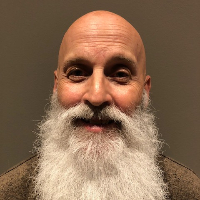
Dr. Michael Cundiff
LPC
Licensed Professional Counselor - stress and relationships
- Stress, Anxiety
- Relationship
- Family
Licensed professional counselors
316 counselors in this directory hold a license issued in Missouri. Sessions are online, but a counselor can normally only work with people located in a state where they hold a license, so check the license panel on each profile. Depending on the state, the license may be called LPC, LPCC or LCPC.
Welcome to our directory of online therapists serving Missouri. All therapists listed here are licensed to practice in Missouri, so you can focus on comparing specialties, approaches, credentials, and languages to find a good fit.
LPC
Licensed Professional Counselor - stress and relationships
LPC
Licensed counselor for anxiety and relationships
LPC
Licensed Professional Counselor - Trauma and Mood Concerns
LPC
Licensed Professional Counselor - Addictions and Mood Concerns
LPC
Licensed counselor - stress and relationships
LCPC, LPC
Licensed counselor - Depression and anxiety
LPC
Licensed Professional Counselor - Addictions and Trauma
LPC
Licensed Professional Counselor - relationships and anxiety
LPC
Licensed Professional Counselor - Stress and Relationships
LPC
Licensed counselor - addictions and mood concerns
LPC
Licensed Professional Counselor - Anxiety and Trauma
LPC
Licensed Professional Counselor - mood and trauma work
LMHC, LPC
Licensed counselor - trauma and relationships
LPC
Licensed counselor - trauma and addiction focus
LPC
Licensed Professional Counselor - addictions and trauma
LPC
Licensed Professional Counselor - stress and trauma
LCPC, LPC
Licensed Professional Counselor - Anxiety and Addictions
LPC
Licensed Professional Counselor - Stress and Addictions
LPC
Licensed Professional Counselor - stress and relationships
LPC
Licensed counselor - anxiety and relationships
LPC
Licensed counselor - Addictions and mood concerns
LPC
Licensed Professional Counselor - Relationships and LGBT care
LPC
Licensed Professional Counselor - Stress and Mood
LPC
Licensed Professional Counselor - anxiety and relationships
LPC
Licensed counselor - stress and relationships
LPC
Licensed Professional Counselor - addictions and trauma
LPC
Licensed Professional Counselor - Anxiety and Depression
LPC
Licensed professional counselor - stress and parenting
LPC
Licensed Professional Counselor - stress and trauma
LPC
Licensed Professional Counselor - Relationships and Anxiety
LPC
Licensed counselor - anxiety and relationships
LPC, LCPC
Licensed professional counselor - mood and behavior
LPC
Licensed Professional Counselor - Stress and Trauma
LPC
Licensed Professional Counselor - Men's mental health
LPC
Licensed Professional Counselor - Stress and Relationships
LPC, LPCC
Licensed counselor - stress and addictions
Some links on this page are partner links. We will earn a commission if you sign up through one, at no cost to you. It does not change what you pay or the order of the listings.
Online therapy has become a widely used option across Missouri, connecting people in both urban centers and rural counties with licensed mental health professionals. If you live in a city like St. Louis or Kansas City, or in smaller towns and more remote areas, you can find therapists who offer video or phone sessions so that geographic distance is less of a barrier. Regulations around where a therapist must be licensed tend to focus on the state where you are located during a session, so many practitioners list their licensure state(s) clearly in their profiles. You will often find a range of credential types in our directory, such as licensed professional counselors, licensed clinical social workers, and marriage and family therapists, each indicating the credential the therapist uses in their practice.
Because online therapy crosses geographic lines, you may notice differences in how therapists describe their services and the settings they serve. Some focus on psychotherapy for adults, others emphasize work with adolescents or families, and some list specialties in areas like trauma, anxiety, depression, relationship concerns, or life transitions. Many profiles also list languages spoken and cultural competencies that can be helpful if you want to work with someone who understands your background. While the technology used for sessions can vary, every therapist in this directory lists their credentials and approaches so you can make an informed choice before reaching out.
Online therapy offers practical benefits that can make it easier for you to prioritize mental health care within a busy life. You can eliminate commute time, which may be especially valuable if you travel long distances for in-person care or have mobility limitations. For caregivers, shift workers, or people with transportation barriers, being able to connect from home or another convenient location can increase consistency in treatment. If you live in a rural area of Missouri where mental health providers are fewer, online options expand the pool of therapists you can consider.
Beyond logistics, online therapy can make it simpler to match with a clinician who fits your needs. You can focus on therapists who list specialties that match your concerns, who speak your preferred language, or who describe experience with particular life stages or populations. The format itself - video, phone, or messaging - may also influence how comfortable you feel sharing difficult topics. Some people find that the relative distance of a video session makes it easier to open up, while others prefer the in-person dynamic. Knowing these possibilities can help you choose a way of working that suits your preferences and lifestyle.
Online therapists in Missouri work with a wide range of emotional and behavioral concerns. Many profiles indicate focus areas such as anxiety, depression, relationship stress, grief and loss, life transitions, parenting challenges, and workplace stress. You will also find therapists who list approaches for trauma-related symptoms, including those who list EMDR among their approaches, and clinicians who list cognitive behavioral therapy, acceptance and commitment approaches, interpersonal methods, or mindfulness-based work among their techniques. When a therapist lists a particular approach, that indicates they use it in their practice rather than confirming specific certifications.
People seek online therapy for both short-term problem solving and longer-term personal growth. You can find clinicians who describe experience helping with major life events like divorce, job change, or health concerns, as well as therapists who note work with specific populations such as adolescents, older adults, or couples. Language offerings are also commonly listed, so if you prefer to work in Spanish or another language, you can identify profiles that mention those skills. Regardless of the issue, look for descriptions of the therapist's typical focus and methodologies to see whether their way of working lines up with what you want to address.
Verifying a therapist's license is an important step to confirm that the professional information on a profile matches public records. Start by looking for the license type and license number on the therapist's profile. With that information, you can use Missouri's online license lookup tools run by the state licensing authority to confirm the license is active, identify the license class, and check the license expiration date. The license lookup may also show public disciplinary history, if any, which can be useful context when you are researching a clinician.
If you do not find a license number on a profile, you can contact the therapist's office to request it before you start work together. When you review the state record, pay attention to the exact licensure title displayed, such as licensed professional counselor or licensed clinical social worker, since titles and scopes of practice differ. If you have concerns about what you find in the public record, the relevant state licensing board will have guidance on next steps and how to report issues. Remember that licensing information is a snapshot; use it along with other profile details about experience, specialties, and languages to build a full picture.
Begin by refining what matters most to you. Decide whether you want a clinician who lists experience with particular issues, works with a specific age group, or offers sessions in a language you prefer. Use the directory filters to narrow profiles by credentials, specialties, or approaches, then read several bios to compare how therapists describe their style and focus. When you find profiles that feel promising, reach out with a brief message describing what you hope to address and asking about practical details like typical session length, fees, and whether the therapist provides documentation for insurance claims if that is important to you.
Choosing a therapist is a personal decision, and there are a few practical signals that can help guide you. Look for clear descriptions of the therapist's clinical focus and populations they work with, and note any languages or cultural competencies they list. Consider how they describe their approach to care - for example, some therapists will state they use cognitive behavioral techniques, while others emphasize relational or narrative approaches; when a modality is mentioned it is presented as part of their practice rather than proof of certification. Think about logistics too, including whether the therapist mentions session formats you prefer, such as video or phone.
During your initial contact and early sessions, pay attention to how the therapist communicates, whether they answer your questions about process and fees, and whether they outline typical steps they take when addressing your concerns. It is reasonable to ask about experience working with issues similar to yours and what a typical plan might look like. You may also want to confirm practical matters like session length, cancellation policies, and whether they provide receipts for insurance or employer benefits. Finally, trust your experience - the right match is one where you feel understood and able to collaborate on goals, and it is okay to try a few profiles before making that decision.
Online therapy in Missouri expands the range of options available to you, letting you focus on clinical fit, communication style, and practical preferences rather than geography alone. By verifying licensure, reviewing profiles thoughtfully, and preparing for your first conversations, you can make informed choices about the kind of support that will help you move forward.