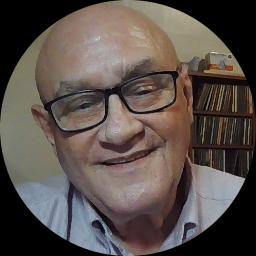
Steven Forsyth, LPC
Licensed in Missouri 25 years in practice
Licensed Professional Counselor (LPC) licensed in Missouri with 25 years of experience, Steven Forsyth works with stress, anxiety, addictions, relationship and family concerns, depression, trauma and abuse, grief, and related issues such as ADHD and eating or sleeping problems.
License and NPI
- LPC, Missouri
- 2019046401 · expires June 2027
- NPI
- 1245986942 · national provider identifier
- Years in practice
- 25
- Languages
- English
Details are as listed on the therapist's public professional profile. You can check any license with the state board and any NPI with the national registry.
About Steven
Licensed Professional Counselor (LPC) licensed in Missouri with 25 years of experience, Steven Forsyth works with stress, anxiety, addictions, relationship and family concerns, depression, trauma and abuse, grief, and related issues such as ADHD and eating or sleeping problems. He also lists focus areas including abandonment, caregiver stress, chronic illness, codependency, and communication problems.
Steven uses a range of approaches and describes his work in straightforward terms. Steven began counseling after his own recovery from alcohol and drug use and has a long history in addiction-related care.
Background and approach
His early training included Rational Emotive Therapy, which led into Cognitive Behavioral Therapy. Over time he studied narrative approaches, transactional analysis, motivational interviewing ideas, and relapse prevention strategies. In practice he draws on Acceptance and Commitment Therapy (ACT), client-centered principles, and mindfulness methods to help people manage emotions and day-to-day stress.
He also incorporates EMDR for people who have trauma or abuse histories and for those who are processing difficult memories. Sessions focus on clear goals and practical steps. Steven emphasizes understanding how life experiences shape current struggles and works with clients to identify behaviors and choices that support change.
He uses techniques for coping skills, improving communication, and addressing addictive patterns. People seeking help can expect direct conversation about patterns, tools to practice between sessions, and an emphasis on behavior change models such as stages of change and relapse prevention. Steven’s background spans both long-term counseling work and adaptations to remote sessions developed during the COVID-19 period.
Focus areas and approaches
Everything Steven lists on their public professional profile, in their own terms.
- Stress, Anxiety
- Addictions
- Relationship issues
- Family conflicts
- Depression
- LGBT
- Trauma and abuse
- Grief
- Intimacy-related issues
- Eating disorders
- Sleeping disorders
- Parenting issues
- Anger management
- Self esteem
- Bipolar disorder
- Coping with life changes
- Compassion fatigue
- ADHD
- Abandonment
- Aging and geriatric issues
- Body image
- Cancer
- Caregiver issues and stress
- Chronic pain, illness, and disability
- Codependency
- Commitment issues
- Communication problems
- Coping with natural or human-caused disaster
- Divorce and separation
- Drug and alcohol addiction
- Family of origin issues
- Family problems
- Forgiveness
- Guilt and shame
- Hearing impaired
- HIV / AIDS
- Infidelity
- Isolation / loneliness
- Jealousy
- Life purpose
- Men's issues
- Midlife crisis
- Mood disorders
- Multicultural concerns
- Obsessions, compulsions, and OCD
- Post-traumatic stress
- Prejudice and discrimination
- Process addiction (porn, exercise, gambling)
- Seasonal Affective Disorder (SAD)
- Self-harm
- Self-love
- Sexual dysfunction
- Sexuality
- Smoking / vaping cessation
- Social anxiety and phobia
Approaches Steven names
- Acceptance and Commitment Therapy (ACT)
- Client-Centered Therapy
- Cognitive Behavioral Therapy (CBT)
- Eye Movement Desensitization and Reprocessing (EMDR)
- Mindfulness Therapy
- Motivational Interviewing
- Narrative Therapy
- Solution-Focused Therapy
- Trauma-Focused Therapy
Naming an approach is not evidence of training in it. This directory copies what each therapist lists and does not check training records.
Online support
How Steven uses therapeutic approaches in online work
Steven frequently integrates Acceptance and Commitment Therapy (ACT) and Cognitive Behavioral Therapy (CBT) in his work. ACT helps people notice unhelpful thoughts and choose actions that reflect their values rather than being driven by distress. CBT focuses on identifying patterns of thinking and behavior and practicing concrete skills to reduce anxiety, depression, and addictive behaviors. He also uses EMDR for people processing trauma or difficult memories. EMDR involves guided attention and memory work to reduce the emotional intensity of past events and can be applicable when trauma symptoms interfere with daily life. Finding the best approach is part of the process. The therapist will collaborate with each person to decide which methods fit their goals, needs, and preferences. That collaboration can include trying different strategies and adjusting the plan based on what helps most. Practical benefits of online sessions include fitting therapy into a busy schedule and reducing travel time. Online sessions can make it easier to have shorter check-ins or to meet during a work break. The biography notes prior use of telehealth methods developed during the COVID-19 period, but specific session formats should be confirmed before booking. Discuss scheduling and format options when arranging the first appointment so sessions can fit into everyday life.We will earn a commission if you sign up through our link, at no cost to you. It does not change what you pay or the order of the listings.
Questions people ask
What concerns does he work with most often?
He lists stress, anxiety, addictions, relationship and family concerns, depression, trauma and abuse, grief, ADHD, and related issues such as eating and sleeping problems.
How would you describe his therapeutic style?
He blends client-centered conversation with practical methods such as CBT, ACT, mindfulness, and motivational interviewing to focus on behavior change and coping skills.
How much experience does he have?
He has 25 years of counseling experience, including many years working with addiction-related issues following his own recovery.
What are his credentials and where is he based?
He is a Licensed Professional Counselor (LPC) licensed in Missouri.
Can I work with him if I live outside the United States?
Sessions are offered to international clients in addition to those in the U.S.
What session formats are offered?
The biography notes use of telehealth methods developed during the COVID-19 period; confirm current session format options before booking.
How does pricing work?
Cost varies with location and services; sessions use a subscription that can be canceled at any time.
How do I get started?
Select the See online therapy options button, complete the short matching questionnaire, and schedule a first session.
More counselors licensed in Missouri
See all
Dr. Michael Cundiff
LPC
Licensed Professional Counselor - stress and relationships
- Stress, Anxiety
- Relationship
- Family

April Vandiver
LPC
Licensed counselor for anxiety and relationships
- Stress, Anxiety
- Relationship
- Parenting

Sharla "Charlie" Harrison
LPC
Licensed Professional Counselor - Trauma and Mood Concerns
- Stress, Anxiety
- Trauma and abuse
- Self esteem
Surnames under F · every counselor in the directory whose surname starts with F
Is this your profile?
Ask us to correct details or take the page down.
Contact us