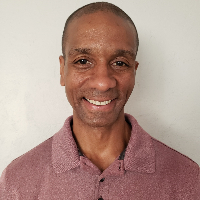
Reggie Thirus, LPC
Licensed in Wisconsin 6 years in practice
Licensed Professional Counselor (LPC) in Wisconsin with 6 years of counseling experience, Reggie Thirus focuses on stress, anxiety, LGBT concerns, family issues, trauma and abuse, depression, addictions, relationship and intimacy-related issues, grief, parenting, anger, self-esteem, career concerns, bipolar disorder, coping with life changes, coaching, and ADHD.
License and NPI
- LPC, Wisconsin
- 7904-125 · expires February 2027
- NPI
- 1497209225 · national provider identifier
- Years in practice
- 6
- Languages
- English
Details are as listed on the therapist's public professional profile. You can check any license with the state board and any NPI with the national registry.
About Reggie
Licensed Professional Counselor (LPC) in Wisconsin with 6 years of counseling experience, Reggie Thirus focuses on stress, anxiety, LGBT concerns, family issues, trauma and abuse, depression, addictions, relationship and intimacy-related issues, grief, parenting, anger, self-esteem, career concerns, bipolar disorder, coping with life changes, coaching, and ADHD. He also lists specific focuses such as abandonment, gender dysphoria, communication problems, and infidelity.
Reggie frames work in straightforward terms and aims to help people make practical changes in their lives.
Background and approach
Reggie uses Client-Centered Therapy, Cognitive Behavioral Therapy (CBT), and Psychodynamic Therapy in his work. He prefers clear goal setting and working toward measurable steps. Clients can expect conversations that identify patterns, test different ways of responding, and practice skills between sessions.
Before becoming an LPC he spent more than a decade in helping roles, and he now combines that background with six years of clinical counseling experience. He keeps sessions practical and focused on immediate concerns while also looking at longer-term patterns that affect mood and relationships.
His practice addresses a wide range of topics, from anxiety and depression to addictions and sexual health concerns such as BDSM and kink culture. He also lists work with neurodiversity-related topics including autism and Asperger syndrome, and with issues tied to aging and geriatric matters. Outside of work Reggie enjoys exercise, walking, food, and music.
His profile notes he accepts international clients and conducts sessions in English. The site reader should confirm current session formats before scheduling.
Focus areas and approaches
Everything Reggie lists on their public professional profile, in their own terms.
- Stress, Anxiety
- LGBT
- Family conflicts
- Trauma and abuse
- Depression
- Addictions
- Relationship issues
- Grief
- Intimacy-related issues
- Parenting issues
- Anger management
- Self esteem
- Career difficulties
- Bipolar disorder
- Coping with life changes
- Coaching
- ADHD
- Abandonment
- Aging and geriatric issues
- Antisocial personality
- Autism and Asperger Syndrome
- BDSM, kink, and alternative sex culture
- Blended family issues
- Co-morbidity
- Communication problems
- Drug and alcohol addiction
- Family of origin issues
- Family problems
- Gender dysphoria
- Guilt and shame
- Impulsivity
- Infidelity
- Life purpose
- Men's issues
- Multicultural concerns
- Narcissism
- Polyamory / non-monogamous relationships
- Post-traumatic stress
- Prejudice and discrimination
- Self-harm
- Sexual dysfunction
- Sexuality
- Workplace issues
- Young adult issues
Approaches Reggie names
Naming an approach is not evidence of training in it. This directory copies what each therapist lists and does not check training records.
Online support
How Reggie uses common approaches in online work
Client-Centered Therapy focuses on the client's perspective and priorities. It involves listening closely, clarifying goals the client names, and adjusting the work to those goals. This approach helps when someone needs support deciding what changes matter most to them.Cognitive Behavioral Therapy (CBT) looks at how thoughts, feelings, and actions connect. It uses straightforward exercises to test unhelpful thoughts and to try new behaviors. CBT is often used for anxiety, depression, and problems with coping skills.
Psychodynamic Therapy pays attention to patterns that repeat over time and how past experiences shape current feelings. It can help people understand recurring relationship problems or long-standing emotional responses.
Finding the right approach is part of the work together. The therapist will help figure out which methods fit a person's needs, goals, and preferences, and will adjust the plan as those needs change. The process is collaborative and practical rather than fixed.
The biography does not list specific online session formats, so confirm current options before booking. In general, online sessions can make it easier to fit counseling into a busy day, allow a shorter check-in when needed, and let people join from different locations or time zones. Ask about the available session types and any practical details when scheduling.
We will earn a commission if you sign up through our link, at no cost to you. It does not change what you pay or the order of the listings.
Questions people ask
What concerns does he commonly address?
He lists stress, anxiety, depression, trauma and abuse, addictions, relationship and intimacy issues, parenting, grief, bipolar concerns, ADHD, and related topics.
How would he describe his therapeutic approach?
He blends Client-Centered Therapy, Cognitive Behavioral Therapy (CBT), and Psychodynamic Therapy and emphasizes practical goal setting and skill practice.
How much clinical experience does he have?
He reports six years of counseling experience and over a decade in helping roles prior to his LPC work.
What credential and location are listed?
He is listed as an LPC licensed in Wisconsin.
Which languages are supported for sessions?
Sessions are offered in English and international clients are accepted.
What session formats are offered?
The original biography does not specify session formats; confirm current session options before booking.
How are sessions priced?
Cost varies with location and sessions use a subscription that can be canceled at any time.
What is the first step to begin working together?
Select the See online therapy options button, complete a short matching questionnaire, and schedule a first session.
More counselors licensed in Wisconsin
See all
Kitra Thomas
LPC
Licensed Professional Counselor - Workplace and Trauma
- Stress, Anxiety
- Trauma and abuse
- Career


Jill Plaisted
LPC
Licensed counselor - Mood and stress concerns
- Stress, Anxiety
- Addictions
- Trauma and abuse

Surnames under T · every counselor in the directory whose surname starts with T
Is this your profile?
Ask us to correct details or take the page down.
Contact us