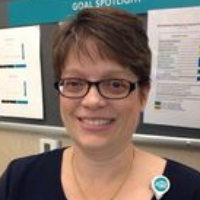
Tracey Beaty, LPC, LCMHC
Licensed in North Carolina 15 years in practice
Licensed Professional Counselor (LPC) and Licensed Clinical Mental Health Counselor (LCMHC) in North Carolina with 15 years of experience, Tracey Beaty helps people who are coping with trauma and abuse, low self esteem, bipolar disorder, depression, and major life changes.
License and NPI
- LCMHC, North Carolina
- 8314 · expires June 2026
- LPC, South Carolina
- 10529 · expires August 2027
- NPI
- 1215593777 · national provider identifier
- Years in practice
- 15
- Languages
- English
Details are as listed on the therapist's public professional profile. You can check any license with the state board and any NPI with the national registry.
About Tracey
Licensed Professional Counselor (LPC) and Licensed Clinical Mental Health Counselor (LCMHC) in North Carolina with 15 years of experience, Tracey Beaty helps people who are coping with trauma and abuse, low self esteem, bipolar disorder, depression, and major life changes.
She also focuses on abandonment and adoption-related concerns, attachment issues, domestic violence, mood disorders including seasonal affective disorder, sexual assault and abuse, and women's issues. Tracey works with adults who want practical tools and steady support during difficult times.
Background and approach
Tracey uses clear, goal-focused methods in sessions. She relies on Cognitive Behavioral Therapy and Motivational Interviewing alongside a client-centered stance. Sessions tend to include talking through current problems, identifying unhelpful patterns, and practicing different ways of responding.
She emphasizes building trust and treating people with respect and dignity. Clients can expect straightforward discussion about symptoms and daily challenges. Tracey helps people break down problems into manageable steps.
She uses exercises and short-term strategies as well as longer-term reflection when needed. Her background includes work with adults affected by adoption and abandonment, and experience addressing the effects of domestic violence and trauma. Tracey draws on 15 years of practice to adapt methods to each person's situation while keeping the focus practical and concrete.
Tracey practices in North Carolina as an LPC and LCMHC. She offers support for mood disorders, trauma-related concerns, and life transitions using conversational, skills-based work. People who prefer direct guidance and collaborative problem solving may find her approach fits their needs.
Focus areas and approaches
Everything Tracey lists on their public professional profile, in their own terms.
- Trauma and abuse
- Self esteem
- Bipolar disorder
- Depression
- Coping with life changes
- Abandonment
- Adoption and foster care
- Attachment issues
- Domestic violence
- Mood disorders
- Seasonal Affective Disorder (SAD)
- Sexual assault and abuse
- Women's issues
Approaches Tracey names
Naming an approach is not evidence of training in it. This directory copies what each therapist lists and does not check training records.
Online support
Approaches used in online sessions
Client-Centered Therapy focuses on listening and reflecting what the client says. The therapist aims to understand a person's perspective and help them decide what matters most. This approach supports people working through personal concerns and relationship-related stress.Cognitive Behavioral Therapy (CBT) helps identify links between thoughts, feelings, and behaviors. It uses practical exercises and step-by-step practice to change unhelpful patterns, which can help with depression, bipolar mood management, and trauma-related symptoms.
Motivational Interviewing is a collaborative way to explore goals and build motivation for change. It works well when someone is uncertain about making a change or needs help committing to next steps.
Finding the right approach is a shared process. The therapist will talk with the client about goals, preferences, and what has or has not helped in the past. Together they decide which methods to try and adjust them based on progress and feedback.
Confirm the available session formats before booking, as specific options are not listed here. Online sessions can make it easier to fit appointments into a busy life, offer shorter check-ins when time is limited, and reduce travel time. Licensed professionals often use these arrangements to focus on problem-solving and skill practice while working around daily routines.
We will earn a commission if you sign up through our link, at no cost to you. It does not change what you pay or the order of the listings.
Questions people ask
What concerns does she commonly address?
She works with trauma and abuse, self esteem problems, bipolar disorder, depression, and coping with life changes. Additional focus areas include abandonment, adoption and foster care issues, attachment difficulties, domestic violence, and women's issues.
How would you describe her therapeutic style?
Her style is client-centered with an emphasis on practical tools. She combines Cognitive Behavioral Therapy and Motivational Interviewing to set goals and practice new ways of responding.
How much clinical experience does she have?
She has 15 years of professional experience working with adults on mood and trauma-related concerns.
What are her credentials and where does she practice?
She holds LPC and LCMHC credentials and practices in North Carolina.
Which languages are sessions offered in?
Sessions are offered in English.
Does she work with international clients?
She does not accept international clients at this time.
How are sessions scheduled and what does cost look like?
Cost varies with location and sessions use a subscription that can be canceled at any time. Specific pricing is provided during account setup.
What are the first steps to begin therapy?
To begin, select the See online therapy options button, complete a short matching questionnaire, and schedule a first session.
More counselors licensed in North Carolina
See all
Dr. Shelia Williamson Collins
LPC, LCPC
Licensed counselor - mood and addiction focus
- Stress, Anxiety
- Addictions
- Trauma and abuse

Khalid Greenaway
LPC
Licensed Professional Counselor - mood and anxiety
- Stress, Anxiety
- Relationship
- Family

Donna Cummings
LPC, LCMHC
Licensed counselor - addiction and stress support
- Stress, Anxiety
- Parenting
- Self esteem
Monique Willett
LPC, LCMHC
Licensed counselor - stress and mood concerns
- Stress, Anxiety
- Trauma and abuse
- Anger
Surnames under B · every counselor in the directory whose surname starts with B
Is this your profile?
Ask us to correct details or take the page down.
Contact us