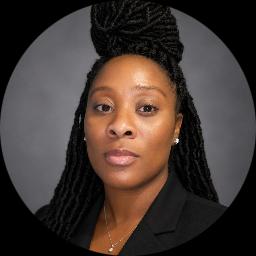
Dr. Shelia Williamson Collins
LPC, LCPC
Licensed counselor - mood and addiction focus
- Stress, Anxiety
- Addictions
- Trauma and abuse
Licensed professional counselors
77 counselors in this directory hold a license issued in North Carolina. Sessions are online, but a counselor can normally only work with people located in a state where they hold a license, so check the license panel on each profile. Depending on the state, the license may be called LPC, LPCC or LCPC.
Welcome to our directory of online therapists serving North Carolina. All therapists listed here hold a current North Carolina license, and you can review profiles to compare approaches, focus areas, languages, and experience. Explore the listings to find counselors whose background and methods align with what you want.
LPC, LCPC
Licensed counselor - mood and addiction focus
LPC
Licensed Professional Counselor - mood and anxiety
LPC, LCMHC
Licensed counselor - addiction and stress support
LPC, LCMHC
Licensed counselor - stress and mood concerns
LPC, LCMHC
Licensed counselor - stress and trauma
LCMHC, LPC
Licensed counselor - stress and trauma
LCMHC, LPC
Licensed counselor - anxiety and addiction
LPC
Licensed Professional Counselor - Relationships and Addictions
LPCC, LPC
Licensed counselor - relationship and mood concerns
LCMHC, LPC
Licensed counselor - stress and relationships
LPC, LCMHC
Licensed counselor - trauma and addictions
LCMHC, LPC
Licensed counselor - relationship and mood support
LPC, LCMHC
Licensed counselor - relationships and anxiety
LMFT, LPC
Licensed counselor - relationships and families
LPC, LCMHC
Licensed Professional Counselor - mental health and addictions
LPC
Licensed counselor - addictions and relationships
LPC
Licensed Professional Counselor - Anxiety and Relationships
LPC
Licensed counselor for stress and relationships
LCPC, LCMHC
Licensed counselor - stress and relationships
LPC, LCMHC
Licensed Professional Counselor focused on mood and stress
LPC, LCSW
Licensed counselor - relationships and resilience
LPC, LCMHC
Licensed counselor - anxiety and addictions
LCMHC, LPC
Licensed counselor - anxiety and life changes
LPC, LCMHC
Licensed counselor - Trauma and mood disorders
LPC
Licensed Professional Counselor - anxiety and trauma
LCMHC, LPC
Licensed counselor - Anxiety and mood concerns
LCPC, LPC
Licensed counselor - anxiety and trauma
LPC, LCMHC
Licensed Professional Counselor - Stress and Life Changes
LCPC, LCMHC
Licensed counselor - trauma and mood concerns
LPC, LCMHC
Licensed counselor - anxiety and relationships
LPCC, LPC
Licensed counselor - trauma and anxiety
LPC, LCMHC
Licensed counselor focusing on relationships and trauma
LPC, LCMHC
Licensed counselor - stress and life changes
LPCC, LCMHC
Licensed counselor - relationships and trauma
LPC
Licensed counselor - relationships and addictions
LPC, LCMHC
Licensed counselor - stress and relationships
LPC, LCMHC
Licensed counselor - anxiety and trauma
LPC, LCMHC
Licensed counselor focused on anxiety and trauma
LCMHC, LPC
Licensed counselor - relationships and mood
Some links on this page are partner links. We will earn a commission if you sign up through one, at no cost to you. It does not change what you pay or the order of the listings.
Online therapy has become a commonly used option for people across North Carolina, connecting you with licensed therapists through video, phone, and other remote formats. If you live in an urban center or a rural county, the flexibility of remote sessions can widen the pool of professionals you can consider without the need for long travel. Professional practice is governed by North Carolina licensing rules, which means therapists who provide services to residents generally need a North Carolina license for the applicable credential. When you browse profiles, you will often see the credential listed and sometimes the license number, which can help you confirm that someone is authorized to provide mental health counseling in the state.
Regulation and practice standards are important because they define the scope of practice and the ethical expectations that therapists must meet. Different types of licenses cover counselors, social workers, psychologists, and marriage and family therapists, so you may see a range of credentials represented among online providers. Knowing which credential aligns with your needs can help you narrow the field. While remote sessions are practical for many circumstances, some types of work are best done with an understanding of local resources, so therapists who are familiar with North Carolina systems, laws, and community supports can be especially helpful if referrals or regional services might become relevant.
Choosing an online therapist can change the way you access care by reducing commute time and allowing you to meet with professionals from different parts of the state. You can connect from a place that suits you at home, at work during a break, or while traveling within North Carolina, which can make it easier to maintain continuity when life is busy. For people in smaller towns, online sessions broaden your options for therapists who work with specific issues or populations, such as adolescent concerns, perinatal mental health, veterans, or LGBTQ+ clients. That access can help you find someone who lists languages or cultural knowledge that match your background.
Online therapy also supports a range of session formats, from shorter check-ins to longer therapeutic work, and many therapists describe how they structure treatment on their profiles. You can often see whether a therapist lists an orientation that emphasizes practical skills, insight-focused work, or relational approaches. This means you can prioritize what matters to you - whether that is a therapist who uses evidence-informed strategies such as cognitive behavioral approaches, someone who lists psychodynamic influences, or therapists who list EMDR among their approaches for trauma-focused work. By reviewing profiles, you can align your preferences for style, communication, and therapeutic goals with a clinician's stated focus.
Online therapists in North Carolina work with a broad spectrum of concerns, and you can expect to find professionals who address issues ranging from anxiety and depression to relationship stress and grief. If you are experiencing life transitions like relocation, career changes, or parenting challenges, a therapist can help you develop coping strategies and clarify priorities. People also seek online counseling for trauma-related symptoms, ongoing stress related to work or caregiving, substance use concerns, and difficulties that arise in couples and family dynamics. Therapists often indicate the populations they work with, such as adolescents, adults, older adults, couples, or parents, which helps you match age-appropriate experience and focus.
Beyond presenting concerns, many therapists list particular orientations or techniques on their profiles. For example, you might find therapists who list trauma-informed work, those who list family systems approaches, or therapists who list mindfulness-based practices among their approaches. When trauma is a concern, some therapists list EMDR among their approaches while others may list somatic or sensorimotor-oriented methods, and those listings can guide you in finding clinicians whose stated methods align with what you hope to pursue. Therapists also denote language abilities and cultural focus areas, which can be especially important if you prefer counseling in a language other than English or want a therapist with experience serving a particular community.
When you review a therapist profile, look for the stated credential and any license number. To verify a license, use the North Carolina licensing board's online verification tool for the relevant profession. Enter the licensee's name or license number to confirm that their license is active and to view any public disciplinary history. If a profile does not show a license number, you can note the credential and then search the board database by name. Boards also publish guidance about scope of practice and titles so you can understand what a specific credential allows a practitioner to do within the state.
When you find a license record, check the status field to confirm the credential is current and that there are no active restrictions that might affect practice. Records often include the date of issuance, the expiration date, and whether there are any formal actions or public orders on file. Boards typically provide contact information if you need help interpreting the record or if you have concerns. Verifying a license helps you confirm that a therapist meets state requirements for education and supervised experience for their credential and that they are recognized by the regulatory body that governs practice in North Carolina.
Getting started usually begins with browsing therapist profiles to see who lists the approaches, populations, and issues that matter to you. Profiles often indicate years of experience, areas of focus, and languages spoken. Pay attention to how a therapist describes their approach to therapy and what they say about goals for their work. If they mention work with specific concerns that mirror yours - for example, perinatal mental health, trauma, adolescent issues, or relationship counseling - that can help you prioritize them for further contact.
When you decide to reach out, consider asking about how they structure sessions, what a typical therapeutic plan looks like, and how they measure progress. You might want to know how they describe their approach in plain terms and how they tailor methods to individual needs. It is also useful to learn about fees, payment methods, and whether they list experience working with people from similar backgrounds or life situations. These practical questions help you form a sense of fit before you begin a therapeutic relationship.
Choosing a therapist is a personal decision and often involves weighing both clinical focus and interpersonal fit. It is normal to try more than one clinician before you find someone who feels right for your style and goals. Trust your sense of whether you felt heard and understood when you reviewed their profile or spoke with them, and look for someone whose communication style and stated approach match what you find most helpful. Consider language preferences, cultural competence, and any specific population experience that might matter to you. Taking a thoughtful approach to selection can make remote therapy a meaningful and effective resource for managing challenges, building skills, and supporting personal growth.
By using profile information, verifying licensure through the state board, and asking practical questions about approach and costs, you can narrow your choices and connect with a professional whose expertise and style fit your needs. Online therapy in North Carolina offers a variety of options, and taking the time to review clinicians' stated specialties and experience will help you make an informed decision about who to contact.