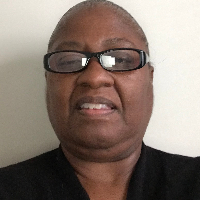
Trina McDonald, LPC, LCPC
Licensed in North Carolina 10 years in practice
Licensed Professional Counselor and Licensed Clinical Professional Counselor in North Carolina with 10 years of experience, Trina McDonald helps people manage stress, anxiety, addictions, grief, depression, relationship and family concerns, trauma and abuse, intimacy-related issues, anger, bipolar symptoms, and coping with life changes.
License and NPI
- LCMHC, North Carolina
- 14047 · expires June 2026
- LPC, New Jersey
- 37PC00805100 · expires November 2026
- LPC, Alaska
- 183838 · expires October 2027
- LMHC, Washington
- LH61094664 · expires January 2027
- LMHC, Florida
- MH23248 · expires March 2027
- LPC, Arizona
- LPC-22926 · expires February 2028
- LCPC, Nevada
- CP5728-R · expires January 2028
- LPC, Oregon
- C8541 · expires January 2027
- NPI
- 1578991246 · national provider identifier
- Years in practice
- 10
- Languages
- English
Details are as listed on the therapist's public professional profile. You can check any license with the state board and any NPI with the national registry.
About Trina
Licensed Professional Counselor and Licensed Clinical Professional Counselor in North Carolina with 10 years of experience, Trina McDonald helps people manage stress, anxiety, addictions, grief, depression, relationship and family concerns, trauma and abuse, intimacy-related issues, anger, bipolar symptoms, and coping with life changes. She also focuses on caregiver stress, communication and family problems, forgiveness, guilt and shame, HIV/AIDS, self-love, and women's issues.
Trina bases her work in a client-centered way.
Background and approach
She leans on Cognitive Behavioral Therapy to help people notice and change unhelpful thoughts and behaviors. Motivational Interviewing is used when someone needs support to find motivation for change. Narrative Therapy helps people reframe their personal stories and identify strengths.
Her background includes work with people who have mental health needs and substance use disorders. She has experience with military personnel, people living with HIV/AIDS, incarcerated individuals, and independent practice clients. That range has shaped a practical, problem-focused style.
Trina includes spiritual and Christian principles when clients want that integrated into sessions. She describes using faith, hope, and love to bolster confidence, self-worth, and recovery efforts. This is offered as part of her overall counseling approach when it fits a client's values.
Sessions focus on clear goals and manageable steps. People often talk about specific problems, practice new ways of coping, and reevaluate patterns that keep them stuck. The work aims to strengthen everyday functioning and support recovery and emotional well-being.
Focus areas and approaches
Everything Trina lists on their public professional profile, in their own terms.
- Stress, Anxiety
- Addictions
- Grief
- Self esteem
- Depression
- Relationship issues
- Family conflicts
- Trauma and abuse
- Intimacy-related issues
- Anger management
- Bipolar disorder
- Coping with life changes
- Caregiver issues and stress
- Communication problems
- Family problems
- Forgiveness
- Guilt and shame
- HIV / AIDS
- Self-love
- Women's issues
Approaches Trina names
Naming an approach is not evidence of training in it. This directory copies what each therapist lists and does not check training records.
Online support
Therapeutic approaches used in online sessions
Trina commonly uses Client-Centered Therapy and Cognitive Behavioral Therapy in her online work. Client-Centered Therapy focuses on listening and building a respectful therapeutic relationship so a person can identify their own goals. Cognitive Behavioral Therapy helps people spot and change thoughts and behaviors that contribute to distress, and it is often used for anxiety, depression, and coping skills.She also draws on Motivational Interviewing when needed to support someone’s readiness to change. That approach uses direct but nonjudgmental conversation to strengthen a person’s own motivation and plan for action. Together these approaches give concrete tools and space for people to reframe problems and practice new behavior patterns.
Finding the right approach is part of the work. The therapist will collaborate with each person to choose methods that match their needs, goals, and preferences. That may mean combining elements from different approaches and adjusting methods over time as goals evolve.
Session logistics should be confirmed before booking because formats are not specified in the biography. Online work can make it easier to fit counseling into a weekly routine, allow shorter check-ins if needed, reduce travel time, and make it simpler to connect across locations. Ask about current session options and scheduling when you complete the matching questionnaire.
We will earn a commission if you sign up through our link, at no cost to you. It does not change what you pay or the order of the listings.
Questions people ask
What concerns does she address most often?
She works with stress, anxiety, addictions, grief, depression, relationship and family problems, trauma and abuse, intimacy issues, anger, bipolar concerns, and coping with life changes.
What is her general approach in sessions?
Her work is client-centered with a foundation in Cognitive Behavioral Therapy; she also uses Motivational Interviewing and Narrative Therapy as needed.
How much clinical experience does she have?
She has ten years of experience working with people who have mental health needs and substance use disorders, across settings including independent practice.
What credentials and locations are listed?
She holds LPC and LCPC credentials and is identified as practicing in North Carolina with licensure listed as AZ LPC and NV LCPC in her background.
Which languages are supported for sessions?
Sessions are offered in English and she accepts international clients.
What session formats are offered?
The original biography does not specify session formats; confirm current session options before booking.
How are fees and billing handled?
Cost varies with location and sessions use a subscription model that can be canceled at any time.
How do I begin working with her?
Select the See online therapy options button, complete a short matching questionnaire, and schedule a first session.
More counselors licensed in North Carolina
See all
Dr. Shelia Williamson Collins
LPC, LCPC
Licensed counselor - mood and addiction focus
- Stress, Anxiety
- Addictions
- Trauma and abuse

Khalid Greenaway
LPC
Licensed Professional Counselor - mood and anxiety
- Stress, Anxiety
- Relationship
- Family
Donna Cummings
LPC, LCMHC
Licensed counselor - addiction and stress support
- Stress, Anxiety
- Parenting
- Self esteem
Monique Willett
LPC, LCMHC
Licensed counselor - stress and mood concerns
- Stress, Anxiety
- Trauma and abuse
- Anger
Surnames under M · every counselor in the directory whose surname starts with M
Is this your profile?
Ask us to correct details or take the page down.
Contact us