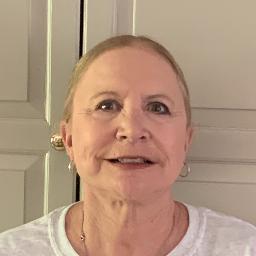
Alice Rock
LMHC, LPC
Licensed counselor - stress and addiction
- Stress, Anxiety
- Addictions
- Relationship
Licensed professional counselors
370 counselors in this directory list Licensed Mental Health Counselor (LMHC). License details are shown as each counselor lists them; the issuing state board's public lookup is the place to check a number.
A Licensed Mental Health Counselor (LMHC) is a licensed clinician trained to assess and treat a range of emotional, behavioral, and relational concerns. Below you can browse verified LMHC therapists listed on this site to identify professionals who match your needs.
LMHC, LPC
Licensed counselor - stress and addiction
LMHC, LPCC
Licensed counselor - stress and addictions
LMHC, LPC
Licensed counselor - mood and addiction concerns
LMHC, LPC
Licensed counselor - trauma and relationships
LPC, LMHC
Licensed Professional Counselor - Stress and Relationships
LMHC, LPC
Licensed professional counselor - stress and addictions
LMHC, LPC
Licensed counselor - mood and relationships
LPC, LMHC
Licensed counselor - anxiety and relationships
LMHC, LCPC
Licensed counselor - relationships and mood
LMHC, LPC
Licensed counselor - anxiety and trauma
LMHC, LPC
Licensed counselor - Stress and relationships
LPC, LMHC
Licensed counselor - Family and parenting support
LPC, LMHC
Licensed counselor - anxiety and relationships
LPC, LMHC
Licensed counselor - trauma and relationships
LCPC, LMHC
Licensed counselor - anxiety and trauma
LPCC, LMHC
Licensed counselor - stress and trauma
LMHC, LPC
Licensed counselor - relationships and mood
LMHC, LPC
Licensed counselor - relationships and mood concerns
LPC, LMHC
Licensed counselor for trauma and stress
LMHC, LPCC
Licensed counselor - stress and mood concerns
LMHC, LPC
Licensed counselor - mood and relationships
LMHC, LPC
Licensed counselor - relationships and mood
LPCC, LMHC
Licensed counselor - relationships and anxiety
LPCC, LMHC
Licensed counselor - addictions and mood concerns
LPC, LMHC
Licensed counselor - anxiety and addictions
LCPC, LMHC
Licensed counselor - anxiety and trauma
LPCC, LMHC
Licensed counselor - Mood and coping issues
LPC, LMHC
Licensed counselor - stress and addiction support
LPC, LMHC
Licensed counselor for anxiety and trauma
LPC, LMHC
Licensed counselor - stress and trauma
LMHC, LPC
Mary Boyle, Licensed Counselor - mood and relationship concerns
LCPC, LMHC
Licensed counselor - relationships and trauma
LPC, LMHC
Licensed counselor for mood and trauma issues
LMHC, LPC
Licensed counselor - relationships and mood
LPC, LMHC
Licensed Professional Counselor - Life and Career support
LPC, LMHC
Licensed counselor for anxiety and burnout
LMHC, LPC
Licensed counselor - trauma and relationships
LCPC, LMHC
Licensed counselor - anxiety and trauma
LMHC, LPC
Licensed Professional Counselor focused on anxiety and addiction
LMHC, LPC
Licensed counselor - trauma and addiction
Some links on this page are partner links. We will earn a commission if you sign up through one, at no cost to you. It does not change what you pay or the order of the listings.
When you see the LMHC credential next to a clinician's name, it indicates that the clinician has met a state board's requirements to practice mental health counseling. Requirements vary by state, but the common pathway begins with a graduate degree in counseling or a closely related field, such as a master of arts or master of science in counseling. After completing coursework, most states require a period of supervised clinical experience in which the clinician works with clients under the oversight of an experienced professional. Licensure typically involves passing a state or national examination that assesses knowledge and clinical skills relevant to counseling practice. Once licensed, LMHCs must follow state rules for continuing education and professional conduct, which are intended to maintain competence and accountability in practice.
Understanding this pathway can help you interpret a clinician's title. The LMHC designation communicates that a person has completed formal education, accumulated supervised clinical hours, and satisfied licensing board requirements. The specifics you might see in a therapist bio - such as the name of the degree program, practicum and internship placements, or supervising clinicians - can give additional context about their training background. While those details can be informative, they do not substitute for checking licensure directly with the appropriate state board, which is the most reliable way to confirm standing and good professional standing.
LMHCs are trained to provide assessment, diagnosis when appropriate, and psychotherapy across a broad range of mental health concerns. If you are deciding between types of practitioners, it helps to know the typical distinctions. Psychiatrists are medical doctors who may prescribe medication as part of treatment, while psychologists hold doctoral degrees and often have doctoral-level training in assessment and psychological testing. Social workers with clinical licensure often combine case management with therapy and may focus on systems-level issues like access to resources. Marriage and family therapists emphasize relational dynamics and systemic patterns in couples and families. LMHCs commonly focus on therapeutic interventions, counseling strategies, and working directly with individuals, couples, or groups to address symptoms and life stressors.
None of these roles are mutually exclusive, and many clients benefit from combined services. For example, you might work with an LMHC for ongoing psychotherapy while collaborating with a prescribing clinician for medication management when that is indicated. The key distinction is the training emphasis - LMHCs typically center on talk-based therapy, clinical assessment, and treatment planning within the scope set by state licensure.
LMHCs work across a wide range of treatment areas, and when searching for a clinician you can look for those who emphasize the issues most relevant to you. Many LMHCs list experience with anxiety and mood concerns, trauma and post-traumatic responses, relationship and family challenges, grief and loss, life transitions, and stress related to work or school. Some focus on adolescent and child counseling, while others highlight work with adults, older adults, or specific populations such as veterans, LGBTQ+ clients, or people navigating cultural identity questions. You will also find clinicians who specialize in behavioral health concerns, coping with chronic illness, or alcohol and substance-related issues.
Therapists may describe their approaches in different ways. You will sometimes see counselors who list cognitive behavioral therapy, psychodynamic approaches, mindfulness-informed methods, or narrative therapy among their approaches. Some clinicians highlight that they work with couples or families using systemic frameworks. If you notice a modality such as EMDR listed, remember that this indicates the approach is part of the clinician's practice profile rather than evidence of a particular certificate on its own. Reading bios to understand the populations and problems a clinician mentions can help you select someone whose focus aligns with what you want to work on.
Verifying a clinician's license is an important step when you are considering a therapist. Start with the licensing board in the state where the clinician practices. Most state boards maintain searchable online registries where you can look up a license by name or license number to confirm that the license is active and to view any public disciplinary records. If a clinician practices across state lines, check the board for each relevant state. You can also ask the clinician directly for their license number and the state that issued it, as well as the name of their graduate program and information about supervised clinical hours. Asking for those details is a reasonable part of making an informed choice.
Beyond the board lookup, you can review a clinician's professional biography for information about their focus areas and the populations they work with. If you use insurance, your insurer may provide a directory that confirms licensure and network participation. When verifying credentials, consider the date of licensure and whether continuing education requirements are up to date. Together these checks give you a clearer picture of a clinician's formal standing and the experience they bring to sessions.
Choosing an LMHC can offer a number of advantages depending on your goals for therapy. If you want focused psychotherapy that centers on coping strategies, symptom reduction, and practical tools for daily life, LMHCs are prepared to structure treatment plans that address those aims. Many LMHCs work in a variety of practice settings, including clinics, community health centers, and individual practice settings, which means you can often find clinicians who work with the age group, cultural background, or issue area that matters most to you. Language services, culturally responsive care, and specific experience with life-stage issues are common elements to look for.
When you are ready to choose a clinician, start by narrowing options based on the problems you want to address and the approaches that feel like a good fit. Read therapist bios to find mention of populations and issues that match your needs. Consider practical factors that affect fit such as session length, whether the clinician works with adults, adolescents, or families, and whether they provide services in English or other languages you speak. It is reasonable to ask about a therapist's typical approach to the kinds of concerns you have, how they structure sessions, and how they measure progress. Trust your sense of comfort and rapport over time - feeling heard and understood is a key part of productive therapy. If one clinician's style does not resonate, you can continue searching until you find someone whose approach and personal style align with your preferences.
Ultimately, finding the right LMHC involves combining objective checks - such as license verification and stated areas of focus - with subjective impressions of how the clinician communicates and whether you feel able to work with them. Use the search and filtering tools on this site to identify LMHC clinicians who match your priorities, review their biographies for relevant experience and approaches, and reach out with questions that help you make an informed choice about the therapeutic relationship you want to build.