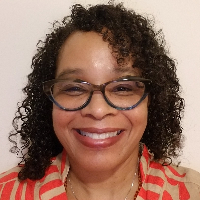
Chatia Warrick
LPCC
Licensed Professional Clinical Counselor - Trauma and Anxiety
- Stress, Anxiety
- Trauma and abuse
- Grief
Licensed professional counselors
689 counselors in this directory list Licensed Professional Clinical Counselor (LPCC). License details are shown as each counselor lists them; the issuing state board's public lookup is the place to check a number.
A Licensed Professional Clinical Counselor (LPCC) is a mental health professional who has completed graduate education and supervised clinical experience to provide psychotherapy in their state. Browse the verified LPCC therapists listed below to review the approaches, specialties and licensure details they report.
LPCC
Licensed Professional Clinical Counselor - Trauma and Anxiety
LPCC
Licensed Professional Clinical Counselor - Stress and Trauma
LPCC
Licensed Clinical Counselor - Anxiety and Women's issues
LMHC, LPCC
Licensed counselor - stress and addictions
LPCC
Licensed counselor for stress and relationships
LPCC
Licensed counselor - anxiety and trauma
LPCC
Licensed counselor - mood and addiction concerns
LPCC
Licensed counselor - Stress and addictions
LPCC
Dr. Julie McCune - Licensed Professional Counselor focusing on anxiety and relationships
LPCC, LPC
Licensed counselor - relationships and stress
LPCC
Licensed counselor - anxiety and mood concerns
LPCC
Licensed Professional Clinical Counselor - Anxiety and Life Change
LPCC, LPC
Licensed counselor - relationships and trauma
LPCC
Licensed Professional Clinical Counselor - relationships and stress
LPCC
Licensed Professional Clinical Counselor - Mood and Life Transitions
LPCC
Licensed Professional Clinical Counselor - Addictions and Trauma
LPCC
Licensed Professional Counselor - relationships and mood
LPCC, LPC
Licensed counselor - trauma and family concerns
LPCC
Licensed counselor - mood and relationships
LPC, LPCC
Licensed Professional Counselor - Trauma and Stress
LPCC
Licensed counselor - anxiety and trauma
LPCC
Licensed counselor - trauma and mood concerns
LPCC, LPC
Licensed counselor - stress and relationships
LPCC
Licensed counselor - stress and relationships
LIMFT, LPCC
Licensed counselor - relationships and trauma
LPCC
Licensed Professional Counselor - Stress and Addictions
LPCC, LMHC
Licensed counselor - stress and trauma
LPCC
Licensed counselor - mood and parenting
LPCC
Licensed counselor - trauma and relationships
LPCC
Licensed counselor - anxiety and relationships
LCPC, LPCC
Licensed counselor - relationships and anxiety
LPCC
Licensed counselor - trauma and addiction focus
LPCC
Licensed Professional Clinical Counselor - Mood and trauma work
LPCC
Licensed counselor - anxiety and addiction
LPCC
Licensed counselor for stress and relationships
LPCC
Licensed Professional Clinical Counselor - Stress and trauma
LMHC, LPCC
Licensed counselor - stress and mood concerns
Some links on this page are partner links. We will earn a commission if you sign up through one, at no cost to you. It does not change what you pay or the order of the listings.
LPCC is a state-issued license for counselors who have completed specific graduate-level education, clinical training and examination requirements. While exact criteria vary from state to state, the usual path begins with a master s or doctoral degree in counseling or a closely related field. After completing graduate coursework, candidates accumulate a period of supervised clinical practice, often measured in post-degree hours under the oversight of a licensed clinician. Applicants then take one or more standardized examinations required by their licensing board. Once the board grants the license, the counselor is authorized to provide mental health services within the legal scope of practice for LPCCs in that jurisdiction.
The LPCC title signals a combination of academic study and supervised experience rather than endorsement of any single therapeutic approach. Because states set their own rules, you may see variation in exact titles and requirements. Some states use similar but differently named licenses for clinical counselors. The important point is that a clinician who lists LPCC on their profile has pursued the formal licensure route that allows independent clinical practice in the state or states where they are credentialed.
As a license for clinical counselors, the LPCC credential typically authorizes the holder to provide psychotherapy, perform clinical assessment and formulate treatment plans. Many LPCCs work with individuals, couples and families across a range of issues such as mood disorders, anxiety, life transitions and coping with stress. The license indicates that the practitioner met state standards for education, supervised clinical hours and examination, and that they operate under state regulatory oversight.
You will encounter other professional credentials when looking for mental health care, and each has a distinct focus. Psychologists usually hold doctoral degrees and often have broader training in formal psychological testing and assessment. Licensed clinical social workers bring training in social systems, community resources and case management along with psychotherapy. Marriage and family therapists specialize in relational dynamics and systemic work with couples and families. LPCCs tend to emphasize counseling and psychotherapy, applying theories and techniques aimed at helping clients navigate emotional and behavioral concerns. The practical implications of these differences show up in the kinds of services a clinician emphasizes, the training they highlight and the populations they work with.
LPCC clinicians cover a wide span of clinical concerns and demographic groups. You will find practitioners who list experience with depression, anxiety, trauma, grief, substance use, stress management and life-stage transitions. Some LPCCs focus on work with adolescents or young adults, while others emphasize adult or older adult care. Family dynamics, relationship issues and parenting are frequent themes for clinicians who work with more than one family member or who adopt an integrative approach to relational patterns.
Therapists who list particular modalities among their approaches may combine those methods with counseling frameworks to address specific concerns. For example, you might see practitioners who include trauma-informed approaches, cognitive-behavioral techniques, mindfulness-based methods or strengths-focused counseling in their profiles. Listing an approach does not guarantee formal certification; it indicates the clinician reports that technique among their tools. When you narrow your search, pay attention to the populations and problems a therapist highlights so you can match that with the issues you want to address.
The most reliable way to verify an LPCC credential is to check the licensing board in the state where the clinician practices. Most state boards offer an online license lookup that confirms whether a license is active, the license number, the date of issuance and the expiration date. Board records often provide a history of any disciplinary actions, public orders or formal complaints. Because licensure is a regulatory process, these public records are the authoritative source for a clinician s standing.
If you want more context beyond the board record, you can review the education listed on a clinician s profile and inquire about the nature of their supervised clinical experience. Many therapists will summarize their graduate program, practicum placements and post-degree supervision. You can also ask whether the clinician holds licenses in other states or has completed continuing education relevant to your needs. When verifying credentials, remember that license titles and requirements differ by state, so comparing two clinicians with different credentials requires attention to those regulatory differences.
Choosing a clinician with an LPCC credential means selecting a professional who has completed a focused graduate program and a period of supervised clinical practice, and who has been evaluated by a state licensing board. This pathway tends to emphasize clinical counseling skills, case conceptualization and therapeutic techniques aimed at helping people manage symptoms, improve functioning and navigate life changes. The regulatory oversight associated with licensure gives you access to public records about the clinician s status and any formal disciplinary history.
LPCC therapists often work in community settings, personal practices and outpatient clinics, and they may offer services both in-person and through remote formats. You can expect counselors with this credential to describe the populations they serve and the approaches they use, which helps you identify clinicians who report experience with the concerns that brought you to the search. The fit between your needs and a clinician s stated specialties, approach and experience is an important practical consideration.
Start by clarifying the outcomes you hope to achieve in therapy. If you are dealing with specific symptoms, life transitions or relationship issues, look for LPCCs who list those concerns among their specialties. Consider the therapeutic approaches that appeal to you or that you have found helpful in the past, and look for clinicians who report using those methods. Remember that listings indicate what a clinician reports as their focus and approaches, and do not by themselves verify training level in a particular technique.
Think about practical factors such as the population the clinician serves, languages spoken and the age groups they work with. Cultural understanding and shared identity can matter when you are building a therapeutic relationship, so look for therapists who state experience with cultural, racial or identity-based issues relevant to you. You may also want to ask about session length, typical course of work and how progress is measured. While you cannot verify every aspect of a clinician s practice from a profile, these questions help you form expectations before you reach out.
When you find LPCCs whose profiles seem promising, use the available contact options to ask targeted questions about their approach, experience with specific concerns and how they typically work with clients. Checking the state licensing board for active status is a straightforward step you can take at any time. By combining attention to licensure, stated specialties and personal fit, you can narrow your search to clinicians who are most likely to align with your needs. If you want additional guidance, look for clinicians who describe collaborative goal-setting and periodic reassessments so that you can monitor whether the approach is helping you make progress toward your objectives.
Choosing a therapist is a personal decision. Taking time to verify credentials, review specialties and consider cultural and practical fit will help you find an LPCC clinician whose training and focus correspond with the kind of support you are seeking.