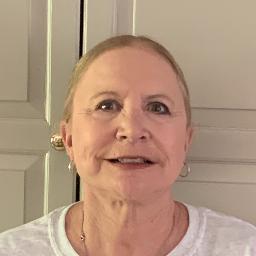
Klara Brown
LPC
Licensed counselor for relationships and stress
- Stress, Anxiety
- Relationship
- Self esteem
Licensed professional counselors
5,813 counselors in this directory list Licensed Professional Counselor (LPC). License details are shown as each counselor lists them; the issuing state board's public lookup is the place to check a number.
A Licensed Professional Counselor (LPC) is a state-licensed mental health professional who has completed graduate education and supervised clinical experience. Below you can browse verified LPC therapists listed on LPCTherapists.org to explore their specialties, approaches, and languages. Use the tools on the page to refine your search and view individual profiles for more information.
LPC
Licensed counselor for relationships and stress
LPC
Licensed Professional Counselor - stress and relationships
LPC
Licensed Professional Counselor - Stress and Trauma
LPC
Licensed Professional Counselor - Mood and Trauma
LPC
Licensed Professional Counselor - Trauma and Self-Esteem
LPC
Licensed Professional Counselor - Relationship and Anxiety
LPC
Licensed Professional Counselor - Stress and Mood
LPC
Licensed Professional Counselor - Stress and Addiction
LPC, LMFT
Licensed counselor - relationships and anxiety
LPC
Licensed Professional Counselor - grief and relationships
LPC
Licensed Professional Counselor - Trauma and Anxiety
LPC
Licensed counselor - anxiety and relationships
LPC
Licensed counselor - mood and trauma care
LPC
Licensed Professional Counselor - Anxiety and Trauma
LPC
Licensed Professional Counselor - Stress and Relationship Concerns
LPC
Licensed Professional Counselor - anxiety and trauma
LPC
Licensed counselor - stress and trauma
LPC
Licensed Professional Counselor - Anxiety and Addictions
LPC
Licensed counselor - anxiety and trauma
LPC
Licensed Professional Counselor - Stress and Trauma
LPC
Licensed Professional Counselor - Stress and Anxiety
LPC
Licensed Professional Counselor - anxiety and stress
LPC
Licensed counselor for anxiety and relationships
LMHC, LPC
Licensed counselor - stress and addiction
LPC
Licensed Professional Counselor - stress and family concerns
LPC
Licensed counselor - anxiety and relationships
LPC
Licensed counselor - anxiety and relationships
LPC
Licensed counselor - life transitions and mood concerns
LPC
Licensed counselor - mood and coping issues
LPC
Licensed Professional Counselor - Stress and Relationships
LMHC, LPC
Licensed counselor - mood and addiction concerns
LPC, LPC-MH
Licensed Professional Counselor - Stress and Relationships
LPC
Licensed Professional Counselor - Anxiety and Relationships
Some links on this page are partner links. We will earn a commission if you sign up through one, at no cost to you. It does not change what you pay or the order of the listings.
When you see LPC after a counselor's name, it indicates they have met a state's licensure requirements to practice professional counseling. Those requirements typically include a master's or doctoral degree in counseling or a closely related field, a specified number of post-degree supervised clinical hours, and passage of a licensing exam. States set their own rules for education hours, the amount and type of supervised experience, and continuing education, so the specifics you encounter may vary depending on where a therapist is licensed.
Licensure exists to demonstrate that a counselor has completed formal education and supervised practical experience, and that they meet standards established by the state licensing board. Once licensed, many LPCs complete ongoing professional development to keep current with emerging approaches and to refine their clinical skills. The credential is focused on counseling and psychotherapy rather than medical treatment.
LPCs are trained to provide psychotherapy, assessment, and treatment planning for a range of emotional, behavioral, and relationship challenges. You can expect LPC therapists to work with individuals, couples, families, and sometimes groups, applying counseling methods that match their clients' needs. In many settings LPCs perform intake assessments and collaborate with other health professionals when a broader care team is helpful.
It helps to understand how an LPC differs from other licensed professionals you may encounter. Psychiatrists are medical doctors who can prescribe medication and may focus on biologically informed treatments. Psychologists often hold doctoral degrees and may conduct in-depth psychological testing in addition to psychotherapy. Licensed clinical social workers work from a social and environmental perspective and often assist with connecting clients to community resources. Marriage and family therapists place a systematic emphasis on relational patterns within couples and families. These distinctions are general - scope of practice can vary by state and setting - but they can guide the kind of expertise you seek when choosing a provider.
LPCs work across a wide range of presenting concerns and populations. Many list depression, anxiety, stress management, trauma recovery, grief, relationship issues, and life transitions among their primary focus areas. Others concentrate on specific populations such as adolescents, college students, older adults, veterans, or members of LGBTQ+ communities. Some LPCs focus on vocational and career counseling, helping people navigate job changes, career planning, or work-related stress.
In terms of therapeutic approaches, you will find LPCs who describe a variety of methods in their profiles. For example, you may encounter therapists who list cognitive-behavioral approaches, psychodynamic perspectives, person-centered methods, or experiential techniques among their approaches. If a particular modality matters to you, look for profiles that explicitly mention that approach and read how the therapist explains applying it. For trauma work, some profiles may list approaches such as eye movement methods or somatic approaches; in those cases the description will often indicate how the therapist integrates that approach into treatment rather than presenting it as a guarantee of outcomes.
Verifying a therapist's LPC credential helps you confirm that their license is current and that they are recognized by the state board. The most reliable way to confirm licensure is through the licensing authority in the state where the therapist practices. Many state boards offer an online license lookup where you can enter a name or license number to view status, expiration date, and any public disciplinary actions. If the board does not provide an online tool, the board office can often be reached by phone or email for verification.
When reviewing a profile, note any license numbers provided and match them with the licensing board's records. You can also ask a therapist directly for their licensing information and the name of the state board that issued the license. If you plan to use insurance, the insurer may also verify licensure as part of provider credentialing. Keep in mind that licensure is state-specific; an LPC licensed in one state may need additional steps to practice in another jurisdiction. Checking the licensing board record will clarify the jurisdictions and any conditions on practice.
Choosing an LPC can offer a clear pathway to counseling that emphasizes clinical training in psychotherapy and applied counseling methods. LPCs are prepared to work with a broad range of emotional and behavioral concerns and often bring experience working across settings such as independent practice, community agencies, schools, or health clinics. Their graduate education and supervised clinical hours are geared toward developing practical counseling skills, assessment capabilities, and case formulation strategies that are useful when you are seeking guided change or coping strategies.
Another benefit is that LPC profiles tend to describe clinical focus, populations served, and therapeutic approaches in accessible ways. That information helps you determine whether a therapist's experience and stated approach align with your priorities. Many LPCs also list additional professional activities, such as community outreach or consultation roles, which can give you a sense of how they engage with public mental health needs beyond individual sessions.
Begin by clarifying what matters most to you in therapy. Consider the issues you want to address, the type of approach that feels most comfortable, and any practical factors like language, cultural background, or session format. Use directory filters to narrow profiles by these criteria and read each therapist's description to learn how they describe their work. Pay attention to how they explain goals for therapy, the populations they serve, and the ways they structure sessions.
When you find a profile that aligns with your needs, use the profile information to prepare a few questions to ask during an initial conversation. You might inquire about how they typically structure early sessions, how they measure progress, or how they adapt their approach for specific concerns. It is reasonable to ask about insurance participation, fees, and whether they work in person, remotely, or both. Also consider practical fit - such as language and cultural understanding - because those elements often shape how comfortable you feel in the therapeutic relationship. If the first match does not feel right, remember that finding a different LPC who better aligns with your preferences is an expected part of the process.
Choosing a therapist is both a practical and personal decision. By understanding the LPC credential, verifying licensure through state boards, and focusing on profiles that reflect your priorities, you can make a more informed choice that supports your goals for care. Use the tools on this site to compare specialties, approaches, and languages so you can connect with an LPC whose background and way of working resonate with you.