Licensed professional counselors
Counselors who work with Licensed Clinical Mental Health Counselor (LCMHC)
158 counselors in this directory list Licensed Clinical Mental Health Counselor (LCMHC). License details are shown as each counselor lists them; the issuing state board's public lookup is the place to check a number.
A Licensed Clinical Mental Health Counselor (LCMHC) is a state-licensed professional who has completed graduate education and clinical supervised experience to provide counseling and psychotherapy. Browse the verified LCMHC therapists listed below to review their specialties, approaches, credentials, languages, and professional background.


Carmen Killpack
LPC, LCMHC
Licensed counselor focused on anxiety and trauma
- Stress, Anxiety
- Trauma and abuse
- Grief


Allison Nitschke
LPC, LCMHC
Licensed counselor - relationships and trauma
- Relationship
- Grief
- Parenting

Siannan Liberty
LCMHC, LPC
Licensed counselor - stress and trauma
- Stress, Anxiety
- Relationship
- Trauma and abuse


Peter Dietz
LCMHC, LPC
Licensed counselor - mood and anxiety concerns
- Stress, Anxiety
- Relationship
- Anger

Donna Cummings
LPC, LCMHC
Licensed counselor - addiction and stress support
- Stress, Anxiety
- Parenting
- Self esteem

Monique Willett
LPC, LCMHC
Licensed counselor - stress and mood concerns
- Stress, Anxiety
- Trauma and abuse
- Anger


Rochester Damon
LPC, LCMHC
Licensed counselor - stress and trauma
- Stress, Anxiety
- Trauma and abuse
- Parenting

John Bensinger
LCMHC, LPC
Licensed counselor - stress and trauma
- Stress, Anxiety
- Addictions
- Trauma and abuse
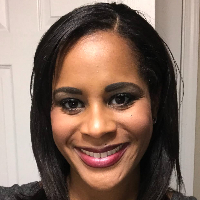
Challis Russell
LPC, LCMHC
Licensed professional counselor - relationships and trauma
- Stress, Anxiety
- Relationship
- Family

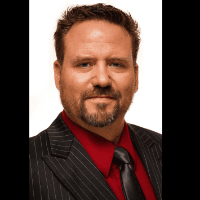
Benjamin Jensen
LPC, LCMHC
Licensed counselor - stress and relationships
- Stress, Anxiety
- Trauma and abuse
- Parenting

Theresa Yu
LCMHC, LPC
Licensed counselor - trauma and relationships
- Stress, Anxiety
- Relationship
- Trauma and abuse

Melissa "Missy" Taylor
LPC, LCMHC
Licensed counselor - anxiety and trauma
- Stress, Anxiety
- Trauma and abuse
- Grief

Jonathan Hines
LCMHC, LPC
Licensed counselor - anxiety and addiction
- Stress, Anxiety
- Addictions
- Self esteem


Jaret Romano
LPC, LCMHC
Licensed counselor - anxiety and trauma
- Stress, Anxiety
- Addictions
- Trauma and abuse

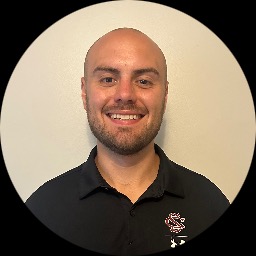
Michael Settepani
LPC, LCMHC
Licensed counselor - stress and mood concerns
- Stress, Anxiety
- Self esteem
- Depression

Latechia Hester
LCMHC, LCPC
Licensed counselor - addiction and trauma focus
- Stress, Anxiety
- Addictions
- Family

Cherry Weaver
LPC, LCMHC
Licensed counselor focused on addictions and relationships
- Addictions
- Relationship
- Trauma and abuse

Melissa Henry
LCMHC, LPC
Licensed counselor - stress and relationships
- Stress, Anxiety
- Relationship
- Self esteem

Adrianna Wilson
LPC, LCMHC
Licensed counselor - trauma and addictions
- Stress, Anxiety
- Addictions
- Trauma and abuse

Natalie Summit
LPC, LCMHC
Licensed counselor - trauma and addiction
- Stress, Anxiety
- Addictions
- Trauma and abuse

Linda Giles
LPC, LCMHC
Licensed counselor - mood and relationship concerns
- Stress, Anxiety
- Relationship
- Family


Zelma Higgs
LCMHC, LPC
Licensed counselor - relationship and mood support
- LGBT
- Intimacy-related issues
- Parenting


Amy Wesley
LPC, LCMHC
Licensed counselor - relationships and anxiety
- Stress, Anxiety
- Relationship
- Family

Jasmine Johnson
LPC, LCMHC
Licensed counselor - stress and trauma
- Stress, Anxiety
- Trauma and abuse
- Grief

Frances Pope
LPC, LCMHC
Licensed counselor - stress and grief support
- Stress, Anxiety
- Grief
- Depression


Elizabeth "Lisa" Burdick
LPC, LCMHC
Licensed Professional Counselor - mental health and addictions
- Stress, Anxiety
- Addictions
- Family


Terrance Battles
LPC, LCMHC
Licensed Professional Counselor - Stress and Relationships
- Stress, Anxiety
- Relationship
- Family

Brett Wilcox
LPC, LCMHC
Licensed counselor - trauma and addictions
- Stress, Anxiety
- Relationship
- Trauma and abuse

Lichele White
LPC, LCMHC
Licensed counselor - stress and addiction support
- Stress, Anxiety
- Addictions
- Grief

Prof. Valerie Starr
LCPC, LCMHC
Licensed Clinical Professional Counselor - Relationships and Stress
- Stress, Anxiety
- Relationship
- Family

Cierra Brabham
LPC, LCMHC
Licensed counselor - Anxiety and mood
- Stress, Anxiety
- Trauma and abuse
- Self esteem

Angela Thomas - Jones
LCMHC, LCPC
Licensed counselor - Addictions and life changes
- Addictions
- Career
- Coping with life changes

Donavon Kirby
LCPC, LCMHC
Licensed counselor - stress and relationships
- Stress, Anxiety
- Relationship
- Career

Dr. Nichell Newton
LPC, LCMHC
Licensed Professional Counselor focused on mood and stress
- Stress, Anxiety
- Family
- Parenting

Donald Lee Jackson Jr
LPC, LCMHC
Licensed Professional Counselor - anxiety and relationships
- Stress, Anxiety
- Relationship
- Grief

Glacia Ethridge
LPC, LCMHC
Licensed counselor focusing on anxiety and life changes
- Stress, Anxiety
- Grief
- Self esteem

David Mitchell
LPC, LCMHC
Licensed counselor - anxiety and addictions
- Stress, Anxiety
- Addictions
- Relationship
Some links on this page are partner links. We will earn a commission if you sign up through one, at no cost to you. It does not change what you pay or the order of the listings.
What "Licensed Clinical Mental Health Counselor (LCMHC)" means and how the credential is earned
Education and supervised experience
When you see the designation Licensed Clinical Mental Health Counselor (LCMHC), it indicates a counselor has met a state board's requirements for graduate-level education and a defined amount of supervised clinical experience. Typically that includes a master’s degree in counseling or a closely related field, coursework in diagnosis and treatment planning, and a sequence of practicum and internship hours. After completing formal education, a candidate usually accrues several thousand hours of supervised clinical practice under the oversight of an experienced clinician before applying for the license. Finally, most states require passing a standardized licensing exam and completing state-specific jurisprudence or ethics requirements.
Continuing education and professional standards
After licensure, an LCMHC generally maintains the credential through periodic renewal and fulfillment of continuing education requirements set by the licensing board. Those continuing education requirements are intended to keep practice current with developments in counseling theory, ethics, and evidence-informed approaches. If you’re concerned about a therapist’s education or ongoing training, you can look for details in their professional profile or confirm requirements with the state licensing board that issued the credential.
What an LCMHC is qualified to do - how the role compares with other license types
Clinical scope and treatment planning
As a client, you can expect an LCMHC to provide assessment, diagnosis, and psychotherapy for a wide range of emotional, behavioral, and relational concerns. LCMHCs often work with individuals, couples, families, and groups, and they typically develop treatment plans that address symptoms, functioning, and goals. Their training emphasizes therapeutic skills, ethical practice, and the ability to integrate different counseling approaches to meet a client’s needs.
How LCMHCs differ from other mental health credentials
License titles vary by state and by profession, and those differences matter when you compare roles. Psychologists hold a doctoral degree and may have a broader emphasis on psychological testing and research. Psychiatrists are medical doctors who can prescribe medications in addition to offering psychotherapy. Social workers with clinical licensure may emphasize systems-level work and case management alongside therapy. LCMHCs are counselors by training, often emphasizing talk-based therapeutic interventions, relational work, and a holistic approach to mental health. Depending on state regulations, an LCMHC may bill insurers under mental health counseling codes and work in community clinics, independent practice, schools, and other settings.
Common specialties and treatment areas for LCMHC therapists
Typical focus areas
You will find LCMHCs working across a broad spectrum of concerns. Many list experience with mood and anxiety disorders, trauma-related symptoms, relationship and family challenges, grief and loss, life transitions, and stress management. Others focus on population-specific needs such as adolescent mental health, perinatal and postpartum concerns, veteran and military-related issues, or the needs of older adults. Because profiles often include the populations a therapist works with, you can identify LCMHCs whose stated focus aligns with your circumstances.
Approaches and therapeutic orientation
LCMHCs describe a range of therapeutic approaches in their profiles. Some may reference cognitive and behavioral methods, attachment-focused perspectives, psychodynamic ideas, solution-focused work, or somatic-informed strategies. When a profile lists an approach like EMDR or internal family systems, that notation should be read as an approach the therapist lists among their methods, not as proof of formal certification. If the type of approach matters to you, you can ask questions about how a therapist integrates that approach into sessions and what you might expect from the work together.
How to verify an LCMHC credential
Confirming licensure with the state board
One reliable step when evaluating a therapist is to verify their license through the state licensing board. Most state boards maintain an online lookup where you can enter a clinician’s name to confirm that the license is active, view the license type, and see whether any disciplinary actions are recorded. That resource gives you an independent record of the license status and is the authoritative source for licensure information.
What to look for on a professional profile
In addition to state verification, a therapist’s profile often lists their degree, the licensing board that issued the credential, and the date of licensure or license number. You can use those details to cross-check with the board. Profiles may also describe clinical interests, populations served, languages spoken, and therapeutic approaches. Remember that approach listings are self-reported descriptions of practice and are helpful for matching style and focus, but they do not replace formal documentation from a licensing body.
Benefits of choosing an LCMHC therapist and tips for finding the right one for you
Potential benefits for clients
If you are weighing options, an LCMHC can offer a strong foundation in counseling skills, diagnosis, and treatment planning. Many clients value the counselor’s focus on talk therapy, coping strategies, and practical goal setting. LCMHCs frequently work in settings that balance individual clinical work with broader behavioral health needs, which can make them versatile providers for a range of concerns. Because the credential is regulated by state boards, it signals that the clinician met specific educational and supervised experience thresholds and adheres to state-defined ethical standards.
Practical tips for choosing the right LCMHC
Start by clarifying what you want from therapy - symptom relief, better relationships, support through a life change, or skill-building. Then look for LCMHC profiles that describe work with your concerns and populations. Pay attention to the therapist’s written description of their approach and the language they use about goals and methods. If language or cultural match matters to you, search for therapists who list the languages they speak and any areas of cultural competency they describe. Consider the logistics that matter to you - session format, general location or telehealth options, and payment methods - while remembering that availability can change frequently. Finally, when you contact a therapist or read their profile, look for clear information about session structure and what a typical first few sessions might involve so you know what to expect.
Trust your sense of fit
Choosing a therapist is a personal decision. You can gather factual information about licensure and specialties, but much of the fit depends on how you feel about a therapist’s style and communication. It’s reasonable to reach out to more than one LCMHC to learn about their approach and to determine who feels most aligned with your goals. Over time, you can assess whether the relationship is helping you move in the directions you identified and adjust course if you find a different match would serve you better.
In summary, a Licensed Clinical Mental Health Counselor (LCMHC) is a licensed mental health professional trained in counseling and clinical practice. By reviewing licensure verification, reading therapist profiles for specialties and approaches, and reflecting on your personal needs and preferences, you can identify LCMHC therapists whose experience and stated focus align with the support you are seeking.