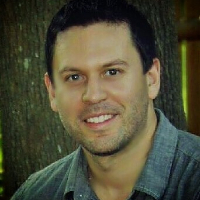
Ivan Resto, LCMHC, LPC
Licensed in Virginia 15 years in practice
Licensed Clinical Mental Health Counselor (LCMHC) and Licensed Professional Counselor (LPC) in Virginia, Ivan Resto has 15 years of experience helping people with stress, anxiety, anger, self-esteem, depression, trauma and abuse, grief, parenting, career concerns, and bipolar disorder.
License and NPI
- LPC, Virginia
- 0701004928 · expires June 2026
- LCMHC, Utah
- 12817371-6004 · expires September 2026
- NPI
- 1871890558 · national provider identifier
- Years in practice
- 15
- Languages
- English
Details are as listed on the therapist's public professional profile. You can check any license with the state board and any NPI with the national registry.
About Ivan
Licensed Clinical Mental Health Counselor (LCMHC) and Licensed Professional Counselor (LPC) in Virginia, Ivan Resto has 15 years of experience helping people with stress, anxiety, anger, self-esteem, depression, trauma and abuse, grief, parenting, career concerns, and bipolar disorder. He focuses on practical steps people can use day to day.
Ivan speaks in plain language and aims to make sessions straightforward and focused on real problems. He uses approaches that include client-centered work, cognitive behavioral methods, dialectical behavior strategies, mindfulness, and trauma-focused techniques.
Background and approach
Sessions tend to focus on identifying specific patterns, practicing new skills between meetings, and tracking what changes over time. The work often includes learning concrete tools for managing panic, mood shifts, and social anxiety. Ivan draws on a mix of strategies rather than a single method.
He asks questions, listens for behavior patterns, and offers exercises people can try between meetings. He also helps people talk through communication problems and issues around forgiveness that come up in relationships and parenting. His background includes many years of counseling in clinical settings and community programs.
That experience contributes to a practical style that emphasizes skill-building, symptom reduction, and clearer communication. He explains options and next steps in plain terms so people can decide what feels right. People typically leave sessions with one or two concrete actions to try.
Progress is tracked over time, and plans are adjusted when something is not working. To begin, clients follow the site steps to select online therapy options and schedule an initial appointment.
Focus areas and approaches
Everything Ivan lists on their public professional profile, in their own terms.
- Stress, Anxiety
- Anger management
- Self esteem
- Depression
- Family conflicts
- Trauma and abuse
- Grief
- Parenting issues
- Career difficulties
- Bipolar disorder
- Communication problems
- Forgiveness
- Mood disorders
- Panic disorder and panic attacks
- Post-traumatic stress
- Social anxiety and phobia
Approaches Ivan names
- Client-Centered Therapy
- Cognitive Behavioral Therapy (CBT)
- Dialectical Behavior Therapy (DBT)
- Mindfulness Therapy
- Trauma-Focused Therapy
Naming an approach is not evidence of training in it. This directory copies what each therapist lists and does not check training records.
Online support
How therapeutic approaches are used in online sessions
Client-Centered Therapy focuses on listening and reflecting so clients can clarify their own goals. It helps people who need room to talk through feelings and decide what change looks like for them. Cognitive Behavioral Therapy (CBT) breaks problems into thoughts, behaviors, and emotions and uses short exercises to test new ways of responding; it is often used for anxiety, panic, mood symptoms, and social anxiety. Dialectical Behavior Therapy (DBT) teaches concrete skills like emotion regulation, distress tolerance, and improved communication to reduce reactive patterns.Choosing the right approach is part of the work. The therapist will review needs, goals, and what has or hasn't worked in the past. Together the client and therapist decide which methods to try and adjust the plan if something is not helping.
Confirm the specific session formats before scheduling since the biography does not list formats directly. In general, online sessions can make it easier to fit counseling into a daily routine, reduce travel time, and allow shorter check-ins when a full session is not needed. They also let people practice skills in settings closer to their day-to-day life and bring real situations into the conversation during sessions.
We will earn a commission if you sign up through our link, at no cost to you. It does not change what you pay or the order of the listings.
Questions people ask
What concerns does he help with most often?
He works with stress, anxiety, anger, self-esteem issues, depression, grief, trauma and abuse, parenting and career concerns, and bipolar disorder.
What kind of therapy style does he use?
He combines client-centered listening with practical methods from CBT and DBT and uses mindfulness and trauma-focused techniques when appropriate.
How long has he been practicing?
He has 15 years of experience in counseling and community mental health settings.
What are his credentials and where is he licensed?
He holds LCMHC and LPC credentials and is licensed to practice in Virginia.
Can sessions be conducted in other languages?
Sessions are offered in English.
Does he work with international clients?
He does not accept international clients at this time.
How are session formats handled?
Please confirm current session options before booking by using the site steps, since session formats are not specified here.
How does billing and cost work?
Cost varies by location and sessions use a subscription model that can be canceled at any time.
More counselors licensed in Virginia
See all


Angela McKinley
LPC
Licensed counselor - anxiety and relationships
- Stress, Anxiety
- Relationship
- Self esteem

Stephanie Bradley-Blue
LPC
Licensed counselor - relationships and trauma
- Relationship
- Trauma and abuse
- Grief
Surnames under R · every counselor in the directory whose surname starts with R
Is this your profile?
Ask us to correct details or take the page down.
Contact us