Licensed professional counselors
Counselors licensed in Virginia
219 counselors in this directory hold a license issued in Virginia. Sessions are online, but a counselor can normally only work with people located in a state where they hold a license, so check the license panel on each profile. Depending on the state, the license may be called LPC, LPCC or LCPC.
Welcome to our directory of online therapists serving Virginia. All listed therapists are licensed; explore profiles to find counselors who list your preferred approaches and match your needs.



Angela McKinley
LPC
Licensed counselor - anxiety and relationships
- Stress, Anxiety
- Relationship
- Self esteem

Stephanie Bradley-Blue
LPC
Licensed counselor - relationships and trauma
- Relationship
- Trauma and abuse
- Grief


Carolyn Faulkner
LPC
Licensed counselor - anxiety and trauma
- Stress, Anxiety
- Relationship
- Trauma and abuse

Jennifer Hamlett
LPC
Licensed Professional Counselor - Stress and Trauma
- Stress, Anxiety
- Relationship
- Trauma and abuse


Sonya Allen
LPC
Licensed Professional Counselor - anxiety and trauma
- Stress, Anxiety
- Trauma and abuse
- Parenting



Gwendolyn Young
LPC
Licensed Professional Counselor - mood and addiction concerns
- Stress, Anxiety
- Addictions
- Grief

Cherice Peagler
LPC
Licensed Professional Counselor - Stress and Relationships
- Stress, Anxiety
- Relationship
- Anger

Samantha Matesic
LPC, LMHC
Licensed counselor for anxiety and trauma
- Stress, Anxiety
- Trauma and abuse
- Self esteem



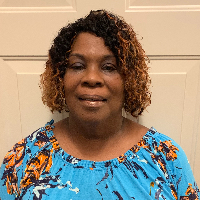

Anita Bailey
LPC
Licensed Professional Counselor - mood and relationships
- Stress, Anxiety
- Relationship
- Trauma and abuse

Anthony Penn
LPC
Licensed Professional Counselor - stress and anxiety
- Stress, Anxiety
- Anger
- Self esteem

Pamela Ambrose
LPC
Licensed Professional Counselor - Mood and Anxiety
- Stress, Anxiety
- Relationship
- Grief

Stephen Strunk
LPC
Licensed counselor for stress and relationships
- Stress, Anxiety
- Relationship
- Family

Kyle Yoder
LPC
Licensed counselor - relationships and mood
- Relationship
- Intimacy-related issues
- Self esteem

Marjorie Stallard
LPC
Licensed Professional Counselor - Stress and Trauma
- Stress, Anxiety
- Trauma and abuse
- Parenting

Katherine Maestre-Caro
LCPC, LPC
Licensed counselor for relationships and trauma
- Relationship
- Trauma and abuse
- Grief

Lawrence Matheny
LPC, LMFT
Licensed counselor - mood and relationships
- Stress, Anxiety
- Addictions
- Relationship

Isaac Choi
LPC
Licensed Professional Counselor - Stress and Relationships
- Stress, Anxiety
- Relationship
- Self esteem


Sonya Bryce
LPC
Licensed Professional Counselor focusing on mood and addiction issues
- Stress, Anxiety
- Addictions
- Trauma and abuse


Sunday Ayodeji
LPC
Licensed counselor - anxiety and relationships
- Stress, Anxiety
- Relationship
- Self esteem

Hannah Phillips Hale
LPC
Licensed counselor focused on mood and relationships
- Stress, Anxiety
- Relationship
- Trauma and abuse

Dr. Cynthia Agbayani
LPC
Licensed Professional Counselor - relationships and trauma
- Relationship
- Family
- Trauma and abuse

Dr. Rhonda Carter
LPC
Licensed Professional Counselor - mood and life changes
- Stress, Anxiety
- LGBT
- Family


Jennifer Polanco
LPC
Licensed Professional Counselor - Stress and Relationships
- Stress, Anxiety
- Family
- Self esteem


Lemuel Williams
LPC
Licensed counselor - relationships and trauma
- Stress, Anxiety
- Relationship
- Trauma and abuse


Teleace Bryant
LPC
Licensed Professional Counselor - Stress and Anxiety
- Stress, Anxiety
- Family
- Depression

Amanda Romero
LPC
Licensed counselor - anxiety and relationships
- Stress, Anxiety
- Relationship
- Self esteem

Liliana Cruz
LPC
Licensed Professional Counselor - Stress and Trauma
- Stress, Anxiety
- Family
- Trauma and abuse

Demetre Curry
LPC
Licensed Professional Counselor - Stress and Anxiety
- Stress, Anxiety
- Depression
- Relationship

Jan Barrymore
LPC
Licensed Professional Counselor - Anxiety and LGBT concerns
- Stress, Anxiety
- LGBT
- Anger


Andrea Stephen
LPC
Licensed Professional Counselor - Stress and Anxiety
- Stress, Anxiety
- Relationship
- Grief

Ashley Lucas
LPC
Licensed Professional Counselor - Addictions and Mood
- Addictions
- Self esteem
- Depression

Carol Mayer
LPC, LMFT
Licensed counselor focused on relationships and family
- Relationship
- Family
- Grief
Some links on this page are partner links. We will earn a commission if you sign up through one, at no cost to you. It does not change what you pay or the order of the listings.
Overview of online therapy availability in Virginia
What online therapy looks like for Virginia residents
If you are considering online therapy in Virginia, you will find a range of clinicians offering services through video, phone, and messaging formats. In most cases, therapists who provide care while you are located in Virginia are licensed to practice in the state. That licensing requirement helps you understand who is regulated by Virginia oversight and where to look for official verification. Online therapy does not replace in-person care for every situation, but it can extend access to counseling across the state and provide continuity when travel, work, or caregiving responsibilities make office visits difficult.
The technology used for sessions varies by clinician, and therapists will typically describe the formats they use on their profile pages. Profiles also tend to list areas of focus, therapeutic approaches, languages spoken, and typical session structure. Because the practice of teletherapy continues to evolve, you may see a mix of clinicians who primarily work remotely and those who combine online sessions with occasional in-person appointments. If you are already in Virginia, selecting someone who lists Virginia licensing on their profile is a practical first step toward finding a clinician whose practice aligns with state regulations.
Benefits of online therapy for Virginia residents
Flexibility, access, and continuity of care
Online therapy offers practical advantages that many people find helpful. You can attend sessions from home, the workplace, or a car during a break, which reduces time spent commuting and can make it easier to fit mental health care into a busy schedule. For residents in more rural parts of Virginia, online options can expand access to clinicians who focus on certain age groups, cultural backgrounds, or specialties that may not be available locally. You can prioritize factors such as language, therapeutic approach, or experience with specific concerns without being limited to a small geographic area.
Another benefit is continuity. If you move within Virginia or spend part of the year in another part of the state, online sessions can help maintain a therapeutic relationship without interruption. Many people also appreciate the ability to try a short series of sessions to see how a clinician's style fits their needs before committing to a longer-term plan. While online therapy is not appropriate for every clinical situation, it can be a practical, effective option for a wide range of emotional and behavioral concerns.
Common issues online therapists in Virginia help address
Areas of focus and specialization described on profiles
When you search for an online therapist in Virginia, you will encounter clinicians who list work with anxiety, depression, relationship challenges, grief, life transitions, parenting concerns, and stress management. Many profiles also describe experience with trauma-related symptoms, adjustment to major life changes, and support for chronic health conditions. You may also find therapists who list approaches for couples counseling, adolescent issues, or workplace stress. Because profiles vary, it helps to read how clinicians describe their typical clients and the kinds of goals they commonly address in therapy.
Therapists often list therapeutic approaches they use, and it is useful to distinguish between approaches and formal certification. For example, you may find therapists who list cognitive behavioral approaches, mindfulness-based methods, acceptance and commitment principles, or who list EMDR among their approaches. Listing an approach on a profile does not imply a specific credential beyond what is shown on a license check. Use the language on profiles to match your preferences for how therapy is delivered, such as an approach that emphasizes practical coping strategies or one oriented toward processing deeper emotional material.
How to verify a therapist's license in Virginia
Steps to confirm licensure and standing
Verifying a therapist's license is a practical step before beginning work together. You can start with the official state licensing board's online search tool to confirm that a clinician holds an active license to practice in Virginia and to see the license type listed on public records. Look for the license designation that matches the clinician's title, such as licensed professional counselor or licensed clinical social worker, and note the license status and expiration date. Public records often include whether there are disciplinary actions or public orders related to the license, which can be important context.
In addition to the state lookup, review the therapist's profile for listed professional degrees and credentials, languages offered, and years of experience working with your presenting concern. If a clinician lists specialized approaches, you can ask how those approaches are integrated into treatment and how they adapt methods to your needs. If you use insurance, confirm that the clinician's licensing designation aligns with your plan's requirements for reimbursement. Taking these verification steps helps you make an informed choice and feel confident about the professional status of the therapist you select.
How to get started and tips for choosing the right therapist
Preparing to reach out and what to look for
Start by clarifying your goals for therapy so you can communicate them when you reach out. Read several profiles to compare focus areas, therapeutic approaches, languages spoken, and descriptions of typical clients. Pay attention to how clinicians describe their approach to sessions - for example, whether they emphasize skills-based work, relationship exploration, or trauma processing. When clinicians list specific methods, you may see phrasing such as therapists who list EMDR among their approaches; use that language to form questions rather than assuming a particular level of training.
When you contact a therapist, it is appropriate to ask practical questions about session length, fees, payment methods, insurance participation, cancellation policies, and which communication formats they use. You might also ask about how they measure progress and what a typical early course of therapy looks like for someone with concerns like yours. Prepare a quiet quiet space for sessions and test your internet connection and audio-visual setup before the first appointment to reduce technical interruptions. Have a form of identification and payment method ready, and consider writing down a few short goals so you can share them at the start of the work.
Choosing a good fit and maintaining momentum
Therapeutic fit matters. After your first session or two, reflect on how comfortable you felt talking with the clinician, whether their approach resonated with your preferences, and whether you felt understood. You do not need to judge a relationship instantly, but if you repeatedly feel mismatched, it is reasonable to explore other profiles. Consider language and cultural competence if those factors are important to you, and look for clinicians who describe experience working with issues similar to yours. Comparing focus areas, approaches, credentials, languages, and experience will give you a clearer sense of who might be the right match.
Finally, set realistic expectations for change and discuss how you and the clinician will track progress. Many people find it helpful to set small, measurable goals and revisit them periodically. If you need help navigating insurance or using telehealth technology, mention that early so the clinician can outline next steps. Thoughtful preparation and clear communication can make the process of starting online therapy in Virginia smoother and more productive for you.
Finding the right online therapist takes time and some trial, but the information presented on profiles combined with a straightforward verification process will help you make an informed choice. Use the listings to narrow options by specialties and approaches, reach out with specific questions, and choose a clinician whose stated focus aligns with your goals for care.