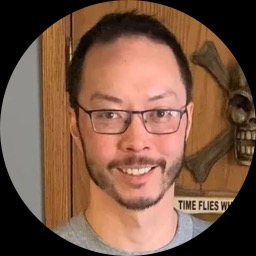
Keith Hugh, LCPC
Licensed in Illinois 13 years in practice
Licensed Clinical Professional Counselor (LCPC) in Illinois with 13 years of experience, Keith Hugh helps people dealing with stress, anxiety, trauma and abuse, grief, bipolar disorder, depression, and addictions.
License and NPI
- LCPC, Illinois
- 180011526 · expires March 2027
- NPI
- 1598492373 · national provider identifier
- Years in practice
- 13
- Languages
- English
Details are as listed on the therapist's public professional profile. You can check any license with the state board and any NPI with the national registry.
About Keith
Licensed Clinical Professional Counselor (LCPC) in Illinois with 13 years of experience, Keith Hugh helps people dealing with stress, anxiety, trauma and abuse, grief, bipolar disorder, depression, and addictions. He also supports those navigating LGBT issues, relationship and family concerns, parenting challenges, anger, self-esteem, career transitions, and compassion fatigue.
Keith aims to make therapy a straightforward place to address pressing problems and learn practical ways to cope. Keith works in a direct, person-focused way.
Background and approach
He encourages clear goals and uses concrete tools to manage symptoms. Sessions often include talking through current problems, trying behavioral strategies, and practicing communication skills. He uses methods from client-centered work, cognitive behavioral therapy, dialectical behavior therapy, existential techniques, and motivational interviewing depending on what fits the person.
Over his thirteen years in practice he has seen many patterns that repeat across lives. He helps people examine attachment issues, codependency, commitment and control problems, and difficulties that come from blended family situations. He also addresses personality-related struggles such as avoidant, dependent, and antisocial traits when they affect daily functioning.
When trauma and dissociation are present, Keith balances stabilization with gradual processing. For mood disorders like bipolar or disruptive mood dysregulation disorder, he focuses on behavioral strategies and coping skills that can work alongside medical care. For grief and loss he offers paced support and practical ways to manage the day-to-day demands.
Keith aims to work with adults who want clear, usable steps and honest conversation. He meets people where they are and helps them practice changes that can be kept in everyday life.
Focus areas and approaches
Everything Keith lists on their public professional profile, in their own terms.
- Stress, Anxiety
- Trauma and abuse
- Grief
- Bipolar disorder
- Depression
- Addictions
- LGBT
- Relationship issues
- Family conflicts
- Parenting issues
- Anger management
- Self esteem
- Career difficulties
- Coping with life changes
- Compassion fatigue
- Abandonment
- Antisocial personality
- Attachment issues
- Avoidant personality
- Blended family issues
- Codependency
- Commitment issues
- Communication problems
- Control issues
- Coping with natural or human-caused disaster
- Dependent personality
- Disruptive Mood Dysregulation Disorder (DMDD)
- Dissociation
- Emptiness
- Family problems
- First responder issues
- Hospice and end-of-life counseling
- Impulsivity
- Infidelity
- Isolation / loneliness
- Jealousy
- Life purpose
- Men's issues
- Mood disorders
- Narcissism
- Panic disorder and panic attacks
- Paranoia
- Personality disorders
- Polyamory / non-monogamous relationships
- Post-traumatic stress
- Self-harm
- Self-love
- Sexuality
- Social anxiety and phobia
- Workplace issues
- Young adult issues
Approaches Keith names
- Client-Centered Therapy
- Cognitive Behavioral Therapy (CBT)
- Dialectical Behavior Therapy (DBT)
- Existential Therapy
- Motivational Interviewing
- Narrative Therapy
- Solution-Focused Therapy
Naming an approach is not evidence of training in it. This directory copies what each therapist lists and does not check training records.
Online support
How his approaches translate to online work
Keith commonly integrates client-centered work and cognitive behavioral therapy in sessions. Client-centered work focuses on the person's experience and priorities, giving time to talk and reflect on what matters most. CBT uses clear steps and exercises to change patterns of thinking and behavior, which can be practiced between meetings.He also uses dialectical behavior therapy skills for emotion regulation and distress tolerance when strong emotions are present. DBT-based techniques teach specific skills for managing intense states and improving interpersonal effectiveness.
Keith treats finding the right approach as a collaborative process. He will review a person's needs and goals and suggest which methods to try. Together they will check what works and adjust the plan over time so it fits daily life.
Session formats are not listed in the original biography, so confirm current options before booking. Many people find online sessions make scheduling easier and allow therapy to fit around work, caregiving, or school. Online work can also let a person practice skills in real-life settings, shorten travel time, and allow shorter check-ins when needed.
We will earn a commission if you sign up through our link, at no cost to you. It does not change what you pay or the order of the listings.
Questions people ask
What concerns does he commonly address?
He works with stress, anxiety, trauma and abuse, grief, bipolar disorder, depression, addictions, and related issues such as relationship strain and parenting concerns.
What is his general therapeutic style?
He uses client-centered principles with active, skills-based techniques from CBT and DBT, alongside existential and motivational approaches when useful.
How long has he been practicing?
He has 13 years of clinical experience working with adults on mood, coping, and interpersonal problems.
What credential does he hold and where is he based?
He is an LCPC licensed in Illinois and practices with that credential in the state.
Which languages are supported for sessions?
Sessions are offered in English.
Can people outside the U.S. work with him?
He does not accept international clients at this time.
How are fees and payment handled?
Cost varies with location; sessions use a subscription model that can be canceled at any time.
What are the first steps to begin?
Use the See online therapy options button, complete the short matching questionnaire, and schedule an initial session.
More counselors licensed in Illinois
See all
Yvette Medina
LCPC
Licensed Clinical Professional Counselor - stress and addiction
- Stress, Anxiety
- Addictions
- Trauma and abuse

Olga Watts-Smith
LCPC
Licensed Clinical Professional Counselor - Mood and Relationships
- Stress, Anxiety
- Relationship
- Parenting

Arnold Lavaire
LCPC, LPC
Licensed counselor - stress and relationships
- Stress, Anxiety
- Relationship
- Family

Ramona Hickey
LCPC
Licensed Clinical Professional Counselor - anxiety and relationships
- Stress, Anxiety
- Grief
- Self esteem
Surnames under H · every counselor in the directory whose surname starts with H
Is this your profile?
Ask us to correct details or take the page down.
Contact us