
Michelle Smith, LPC, LIMHP
Licensed in Nebraska 15 years in practice
Licensed Professional Counselor (LPC) and Licensed Independent Mental Health Practitioner (LIMHP) in Nebraska, Michelle Smith has 15 years of clinical experience.
License and NPI
- LIMHP, Nebraska
- 1201 · expires September 2026
- LPC, Colorado
- LPC.0023564 · expires August 2027
- NPI
- 1477933240 · national provider identifier
- Years in practice
- 15
- Languages
- English
Details are as listed on the therapist's public professional profile. You can check any license with the state board and any NPI with the national registry.
About Michelle
Licensed Professional Counselor (LPC) and Licensed Independent Mental Health Practitioner (LIMHP) in Nebraska, Michelle Smith has 15 years of clinical experience. She works with people facing stress, anxiety, depression, grief, trauma, relationship concerns, parenting strain, career questions, and mood disorders. Her practice also addresses issues such as attachment wounds, codependency, identity questions, and compassion fatigue.
Michelle uses straightforward conversation to help people sort out what matters most to them. She listens for patterns that keep people stuck and offers practical steps to try between sessions.
Background and approach
Sessions often focus on skills for coping, clearer communication, and rebuilding when setbacks happen. Her approach draws from Acceptance and Commitment Therapy (ACT) and Cognitive Behavioral Therapy (CBT) to help people notice thoughts and choose values-driven action. Attachment-Based ideas guide work on relationship patterns and how early experiences influence current reactions.
Client-Centered techniques are used to follow each person’s pace and priorities in the room. Michelle emphasizes small, manageable changes that can reduce overwhelm. She works with clients on setting limits, managing mood swings, and repairing trust after hurt.
When grief or burnout is present, she helps people name what’s lost and take practical steps toward rebuilding daily routines. Her style is pragmatic and direct. Michelle suggests exercises, communication practices, and behavioral experiments to test new ways of coping.
People who want clear steps, thought-based tools, and support sorting relationship patterns may find this approach useful.
Focus areas and approaches
Everything Michelle lists on their public professional profile, in their own terms.
- Stress, Anxiety
- Relationship issues
- Self esteem
- Coping with life changes
- Compassion fatigue
- LGBT
- Family conflicts
- Trauma and abuse
- Grief
- Parenting issues
- Career difficulties
- Bipolar disorder
- Depression
- Coaching
- Abandonment
- Attachment issues
- Codependency
- Communication problems
- Family of origin issues
- Forgiveness
- Gender dysphoria
- Isolation / loneliness
- Life purpose
- Midlife crisis
- Money and financial issues
- Mood disorders
- Post-traumatic stress
- Self-love
- Women's issues
Approaches Michelle names
- Acceptance and Commitment Therapy (ACT)
- Attachment-Based Therapy
- Client-Centered Therapy
- Cognitive Behavioral Therapy (CBT)
- Dialectical Behavior Therapy (DBT)
- Gottman Method
- Jungian Therapy
- Mindfulness Therapy
- Narrative Therapy
- Psychodynamic Therapy
- Trauma-Focused Therapy
Naming an approach is not evidence of training in it. This directory copies what each therapist lists and does not check training records.
Online support
Therapeutic approaches and how online sessions can work
Michelle commonly uses Acceptance and Commitment Therapy, which helps people clarify personal values and take actions that align with those values despite uncomfortable thoughts or feelings. ACT is often used for anxiety, depression, and life transitions. She also applies Attachment-Based Therapy ideas to look at how early relationship patterns shape current responses and to practice different ways of relating in close connections. Cognitive Behavioral Therapy appears in her work to identify unhelpful thinking patterns and replace them with more balanced thoughts and behavior experiments.Choosing an approach is a collaborative process. The therapist will discuss what seems most useful based on the client's goals and preferences. Together they try techniques and adjust the plan as progress or new questions appear.
Confirm the session formats before booking, as the biography does not list specific formats. Online sessions can make it easier to fit therapy into a busy week, shorten commute time, and allow for check-ins during a break from work. They also let people use tools like worksheets, thought logs, and recorded skill demonstrations during sessions. Ask about available session options when scheduling to match practical needs with clinical goals.
We will earn a commission if you sign up through our link, at no cost to you. It does not change what you pay or the order of the listings.
Questions people ask
What concerns does she commonly address?
She works with stress, anxiety, depression, grief, relationship issues, parenting strain, trauma and mood disorders among other concerns.
What is her general therapeutic style?
She uses practical conversation and skill-building. Sessions focus on noticing patterns, testing new behaviors, and clearer communication.
How much experience does she have?
Michelle has 15 years of experience working with a range of mood, relationship, and life-change concerns.
Which credentials and location does she hold?
She is licensed as an LPC and holds a LIMHP in Nebraska.
Which languages are supported?
Sessions are offered in English.
Does she work with international clients?
International clients are not accepted at this time.
How is cost handled?
Cost varies with location and sessions use a subscription that can be canceled at any time.
How do I begin the process?
Select the See online therapy options button, complete a short matching questionnaire, and schedule a first session.
More counselors licensed in Nebraska
See all
Jacqueline Beck-Jacobson
LPC, LMHP
Licensed counselor - mood and relationship concerns
- Stress, Anxiety
- Trauma and abuse
- Self esteem
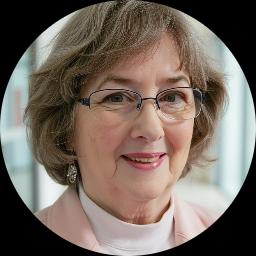
Sandra "Sandy" Ramsey
LMHP, LPC
Licensed counselor - relationships and sexuality
- LGBT
- Relationship
- Family

Brianna Sullivan
LPC, LIMHP
Licensed counselor - stress and anxiety
- Stress, Anxiety
- Family
- Self esteem

Jamie Erdman
LPC, LIMHP
Licensed counselor - stress and relationships
- Stress, Anxiety
- Relationship
- Trauma and abuse
Surnames under S · every counselor in the directory whose surname starts with S
Is this your profile?
Ask us to correct details or take the page down.
Contact us