
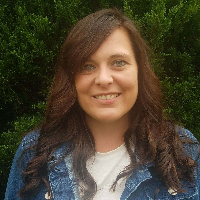
Sarah Baumgardner, LPC
Licensed in West Virginia 13 years in practice
Licensed Professional Counselor (LPC) in West Virginia with 13 years of experience, Sarah Baumgardner helps people facing addictions, trauma and abuse, LGBT concerns, coping with life changes, and ADHD.
License and NPI
- LPC, West Virginia
- 2447 · expires June 2027
- NPI
- 1497472542 · national provider identifier
- Years in practice
- 13
- Languages
- English
Details are as listed on the therapist's public professional profile. You can check any license with the state board and any NPI with the national registry.
About Sarah
Licensed Professional Counselor (LPC) in West Virginia with 13 years of experience, Sarah Baumgardner helps people facing addictions, trauma and abuse, LGBT concerns, coping with life changes, and ADHD. She works directly with individuals to address emotional and behavioral challenges using clear, practical methods. Sarah uses a person-centered style.
Sessions focus on what the client brings in each week. She emphasizes direct skill building and clearer communication rather than abstract explanations.
Background and approach
Conversations often include strategies for reducing impulsive behavior, managing strong emotions, and improving everyday routines for people with ADHD. Her clinical work commonly draws on Dialectical Behavior Therapy, Cognitive Behavioral Therapy, and Acceptance and Commitment Therapy. Those methods show up as teaching skills, testing small behavior changes, and exploring personal values to guide decisions.
Attachment-based ideas are used when patterns from relationships repeat and cause distress. Sarah has experience helping people with addiction and substance use concerns. She also addresses issues linked to adoption and foster care, abandonment, caregiver stress, and codependency.
When trauma or dissociation is present, sessions move at a pace set by the client and focus on stability and symptom management first. She describes therapy as collaborative. Clients are invited to set goals, try specific skills between sessions, and review what helps.
Practical steps, short-term plans, and regular check-ins are part of how she organizes work with individuals.
Focus areas and approaches
Everything Sarah lists on their public professional profile, in their own terms.
- Addictions
- LGBT
- Trauma and abuse
- Coping with life changes
- ADHD
- Abandonment
- Adoption and foster care
- Aging and geriatric issues
- Attachment issues
- Avoidant personality
- Blended family issues
- Caregiver issues and stress
- Co-morbidity
- Codependency
- Commitment issues
- Communication problems
- Dependent personality
- Disruptive Mood Dysregulation Disorder (DMDD)
- Dissociation
- Drug and alcohol addiction
- Emptiness
- Family of origin issues
- Family problems
- Forgiveness
- Gender dysphoria
- Guilt and shame
- Immigration issues
- Impulsivity
- Infidelity
- Intellectual disability
- Isolation / loneliness
- Jealousy
- Life purpose
- Midlife crisis
- Mood disorders
- Multicultural concerns
- Panic disorder and panic attacks
- Paranoia
- Personality disorders
- Polyamory / non-monogamous relationships
- Post-traumatic stress
- Prejudice and discrimination
- Seasonal Affective Disorder (SAD)
- Self-love
- Sexuality
- Workplace issues
- Young adult issues
Approaches Sarah names
- Acceptance and Commitment Therapy (ACT)
- Attachment-Based Therapy
- Client-Centered Therapy
- Cognitive Behavioral Therapy (CBT)
- Dialectical Behavior Therapy (DBT)
- Psychodynamic Therapy
- Trauma-Focused Therapy
- Systemic Therapy
Naming an approach is not evidence of training in it. This directory copies what each therapist lists and does not check training records.
Online support
How therapeutic approaches guide online sessions
Acceptance and Commitment Therapy (ACT) helps people clarify what matters to them and take actions that match those values. In sessions it often means identifying small, concrete steps to test between meetings and noticing what gets in the way.Dialectical Behavior Therapy (DBT) focuses on teaching specific skills for emotion regulation, distress tolerance, and interpersonal effectiveness. Online work typically includes practicing skills, reviewing how they were used during the week, and adjusting strategies as needed.
Cognitive Behavioral Therapy (CBT) targets patterns of thinking and behavior that keep problems going. Sessions include short experiments, homework exercises, and tracking changes in mood and behavior over time.
Choosing the right approach is part of the work. The therapist will collaborate with the client to decide which method or combination fits best based on their goals, symptoms, and preferences. This is a practical, stepwise process rather than a single decision.
Confirm the session formats before booking since the biography does not list specific online options. Online therapy can make it easier to fit sessions into busy schedules, allow shorter check-in meetings when needed, and reduce travel time. Clients and the therapist will plan session length and cadence to match day-to-day life and treatment goals.
We will earn a commission if you sign up through our link, at no cost to you. It does not change what you pay or the order of the listings.
Questions people ask
What concerns does she address most often?
She works with addictions, trauma and abuse, LGBT concerns, coping with life changes, and ADHD, along with related issues such as abandonment, attachment, and caregiver stress.
What is her therapeutic approach?
She uses a person-centered style that emphasizes DBT skills, CBT techniques, and acceptance-oriented strategies to teach coping tools and improve everyday functioning.
How much clinical experience does she have?
She has 13 years of experience working with individuals on emotional, behavioral, and relational concerns.
What credential does she hold and where does she practice?
She holds the LPC credential and practices in West Virginia.
Which languages are supported for sessions?
Sessions are offered in English.
Does she accept clients outside the United States?
International clients are not currently accepted.
How are sessions priced?
Cost varies by location and sessions use a subscription model that can be canceled at any time.
How do I begin working with her?
Select the See online therapy options button, complete the short matching questionnaire, and schedule a first session to start.
More counselors licensed in West Virginia
See all

Dr. Josalyn Ice
LPC
Licensed Professional Counselor - Trauma and Mood
- Stress, Anxiety
- Relationship
- Trauma and abuse

Surnames under B · every counselor in the directory whose surname starts with B
Is this your profile?
Ask us to correct details or take the page down.
Contact us