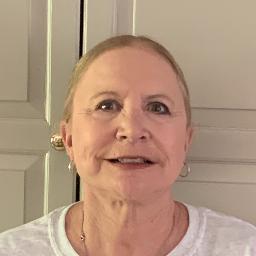
Jared Wilhelm
LPC
Licensed Professional Counselor - grief and relationships
- Grief
- Intimacy-related issues
- Self esteem
Licensed professional counselors
144 counselors in this directory hold a license issued in Arizona. Sessions are online, but a counselor can normally only work with people located in a state where they hold a license, so check the license panel on each profile. Depending on the state, the license may be called LPC, LPCC or LCPC.
Welcome to our directory of online therapists serving Arizona. All therapists listed here hold a valid license to practice in Arizona - explore profiles to compare approaches, credentials, languages, and experience.
Use the listings below to find professionals who match your needs and learn more about how online therapy works in Arizona.
LPC
Licensed Professional Counselor - grief and relationships
LPC
Licensed counselor - mood and trauma care
LMHC, LPC
Licensed counselor - stress and addiction
LPC
Licensed Professional Counselor - Trauma and Mood Concerns
LPC
Licensed counselor focused on addiction and mood
LPC
Licensed counselor - trauma and mood concerns
LPC
Licensed Professional Counselor - Stress and Trauma
LPC
Licensed counselor - trauma and anxiety
LPC
Licensed Professional Counselor - Anxiety and Trauma
LPC
Licensed Professional Counselor - Relationships and Trauma
LPC
Licensed counselor - stress and addiction care
LPC
Licensed Professional Counselor - mood and behavior concerns
LPC
Licensed Professional Counselor - relationships and addiction issues
LPC
Licensed Professional Counselor - anxiety and stress
LPC
Licensed Professional Counselor - stress and ADHD support
LPC
Licensed counselor - mood and trauma care
LPC
Licensed counselor - addictions and trauma
LPC
Licensed counselor - relationships and trauma
LPC
Licensed Professional Counselor - Trauma and Stress
LPC
Licensed Professional Counselor - Anxiety and Addictions
LPC
Licensed Professional Counselor - Trauma and LGBT focus
LPC, LPCC
Licensed counselor - stress and trauma
LPC
Licensed Professional Counselor - Stress and Anxiety
LPC
Licensed Professional Counselor - trauma and addiction
LPC
Licensed Professional Counselor - Stress and Relationships
LPC
Licensed Professional Counselor - anxiety and trauma
LPC
Licensed Professional Counselor - stress and relationships
LPC
Licensed Professional Counselor - stress and relationships
LPC
Licensed Professional Counselor - depression and anxiety
LPC
Licensed Professional Counselor - Stress and Anxiety
LPC
Licensed counselor - mood and anxiety focus
LPC
Licensed counselor - stress and relationships
LPC, LCMHC
Licensed counselor - trauma and addiction
LPC
Licensed Professional Counselor - trauma and anxiety
Some links on this page are partner links. We will earn a commission if you sign up through one, at no cost to you. It does not change what you pay or the order of the listings.
Online therapy has become an integrated part of how people in Arizona access behavioral health care. Whether you live in a dense urban area like Phoenix or Tucson or in a more rural region, many licensed clinicians offer remote sessions to bridge geographic distance and scheduling challenges. In Arizona, state law governs telehealth practice and licensed clinicians follow those rules when offering care across the state. You will find therapists who work solely online as well as clinicians who offer both in-person and remote appointments. Each profile in this directory indicates the formats a therapist lists so you can identify those who primarily deliver services online.
It is important to know that licensing determines who may legally provide therapy in Arizona. The clinicians listed here have verified licenses to practice in the state. When you look through profiles you will see a range of credentials and specialties, from general adult counseling to work with adolescents, couples, and families. You may also encounter therapists who list approaches such as cognitive behavioral therapy, mindfulness-based approaches, psychodynamic work, or EMDR among their approaches. Those listings describe the methods clinicians say they use, not a credential in itself.
Choosing online therapy can offer practical advantages if you are balancing work, schooling, caregiving, or travel. You can connect from your home, a parked car between commitments, or a workplace break, which can reduce the time and stress associated with commuting. For people living in smaller towns or on tribal lands where local options may be fewer, online sessions expand the pool of clinicians you can consider. Online formats can also make it easier to match on language, cultural background, or therapeutic approach when those features matter to you.
Beyond convenience, some people find that the remote format changes how they engage with therapy. Being in your familiar surroundings can make it easier to bring concrete concerns into a session, such as discussing family interactions that occur in your home environment. Many clinicians adapt their tools and exercises to work well via video, phone, or text-based messaging. You should expect conversations about how to make the technology work, how clinicians document sessions, and how they handle emergency concerns given the limitations of remote contact.
Online therapists in Arizona work with a broad spectrum of concerns. You can seek help for anxiety, depression, stress, grief, trauma-related symptoms, relationship and family challenges, parenting concerns, workplace stress, life transitions, and issues related to identity and sexuality. Some therapists specialize in perinatal mental health or in supporting adolescents and young adults navigating school and career choices. Others emphasize couples counseling or work with older adults facing loss and health changes. When browsing profiles you will notice clinicians who list modalities such as cognitive behavioral therapy, dialectical behavior strategies, family systems work, or EMDR among their approaches. Those descriptions can help you identify clinicians whose style aligns with what you are looking for.
Keep in mind that online therapy may be particularly helpful when you need consistent weekly support or targeted short-term work focused on skills and coping strategies. If you have complex medical needs or require coordinated care with other providers, look for profiles that describe clinicians experienced in collaborating with physicians, psychiatrists, or community resources. Reading a therapist's bio will give you a sense of the populations and presenting concerns they describe working with most often.
Confirming licensure is an important step before starting services. In Arizona, the relevant boards include the Arizona Board of Behavioral Health Examiners and, for psychologists, the Arizona Board of Psychologist Examiners. Each board maintains an online license lookup where you can search a clinician's name to confirm license type, current status, expiration date, and any public disciplinary actions. When you use a license lookup, enter the clinician's name as listed on their profile and review the record carefully to ensure the license is active and matches the listed credential.
If you encounter unclear information or want extra assurance, you can contact the licensing board directly by phone or email to ask about interpreting the public record. It is appropriate to ask a clinician in advance which license they hold and whether their license covers telehealth practice in Arizona. While a therapist's profile may mention modalities or populations they work with, the public license record is the authoritative source for whether they are authorized to practice in the state.
Start by using the directory to narrow options by the criteria that matter most to you - approaches, languages spoken, and areas of focus. Read practitioner bios to get a sense of their background, theoretical orientation, and the age ranges or relationship types they commonly work with. You can also look for information about how they structure sessions, what types of communication they offer between sessions, and whether they mention working collaboratively with other providers.
When you reach out to a therapist, prepare a few questions that will help you assess fit. Ask about their experience working with your primary concern and the kinds of strategies they typically use. You can inquire about session length, how they handle cancellations and payments, whether they accept insurance or provide receipts for reimbursement, and what to expect in an initial session. You should also ask how they document care and how they would coordinate with other professionals if you need that type of collaboration. These conversations will give you a clearer picture of how they approach care and whether their style feels compatible with your needs.
Plan for the technical side of online therapy. Ensure you have a reliable internet connection and a device with video capability if you prefer face-to-face interaction. Choose a personal, quiet area where you can speak without interruptions. Test your camera and microphone ahead of the first appointment and ask the clinician what platform or app they use and whether they provide guidance for setting up. Also clarify how they handle documentation, billing, and privacy practices so you know what to expect about records and communication outside sessions.
Therapeutic rapport matters. You will get the best sense of fit after a few sessions when you can observe how the clinician responds to your concerns and whether the approach feels practical and respectful. If you feel comfortable, share your preferences for pacing, directness, or the use of exercises between sessions. It is appropriate to discuss progress openly and to ask how you and the clinician will evaluate whether the current approach is working for you. Making a clear plan together about goals and how to track them can help you both stay aligned as work progresses.
Finding the right online therapist in Arizona is a process of matching your needs, practical constraints, and the clinician's ways of working. Use the directory to compare profiles, verify licensure through official state resources, and prepare focused questions for initial contact. With thoughtful preparation you can find a professional whose approach and experience fit what you are seeking, and then begin the work of addressing the issues that brought you here.