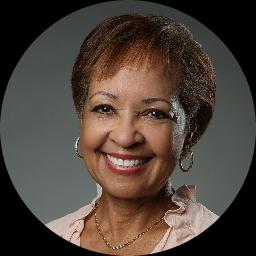
Stacey Sugar
LCPC, LPCC
Licensed counselor - relationships and anxiety
- Stress, Anxiety
- Relationship
- Family
Licensed professional counselors
119 counselors in this directory hold a license issued in California. Sessions are online, but a counselor can normally only work with people located in a state where they hold a license, so check the license panel on each profile. Depending on the state, the license may be called LPC, LPCC or LCPC.
Welcome to the California directory of online therapists at LPCTherapists.org. All therapists listed here hold a current California license to practice - browse profiles to explore approaches, languages, and professional credentials.
LCPC, LPCC
Licensed counselor - relationships and anxiety
LPCC
Licensed counselor - trauma and addiction focus
LPCC
Licensed Professional Clinical Counselor - Stress and Relationships
LPCC, LMFT
Licensed counselor - Anxiety and life changes
LPCC
Licensed counselor - mood and trauma
LPCC
Licensed counselor - addictions and relationships
LPCC
Licensed Professional Clinical Counselor - mood and anxiety
LPCC, LMHC
Licensed counselor - stress and relationships
LPCC, LMHC
Licensed counselor - Anxiety and relationships
LPCC, LPC
Licensed counselor - Anxiety and Addictions
LPCC
Licensed Professional Clinical Counselor - Relationships and Trauma
LPCC
Licensed Professional Clinical Counselor - relationships and trauma
LPCC
Licensed Professional Counselor - Relationships and Trauma
LPCC
Licensed Professional Counselor - Stress and Addictions
LPCC, LMFT
Licensed counselor - Stress and addiction support
LPCC
Licensed counselor - anxiety and trauma
LPCC, LPC
Licensed Professional Counselor - mood and identity
LMFT, LPCC
Licensed counselor - anxiety and trauma
LPCC
Licensed counselor - stress and relationships
LPCC, LMHC
Licensed counselor - anxiety and stress support
LPCC
Licensed Professional Counselor - Relationships and Stress
LPCC
Licensed Professional Counselor - Trauma and Addictions
LPCC
Licensed counselor - anxiety and mood concerns
LPCC, LPC
Licensed Professional Counselor focused on trauma and recovery
LPCC
Licensed counselor - Anxiety and trauma
LPCC, LMHC
Licensed counselor - Stress and relationships
LPCC
Licensed Professional Clinical Counselor - stress and relationships
LPCC, LPC
Licensed counselor focused on anxiety and trauma
LMFT, LPCC
Licensed counselor for anxiety and family concerns
LPCC
Licensed Professional Clinical Counselor - Stress and addictions
LPCC
Licensed Professional Clinical Counselor - Relationships and Trauma
LPCC
Licensed Professional Clinical Counselor - Stress and Family
LPCC
Licensed Professional Counselor - Stress and Trauma
LPCC
Licensed Professional Clinical Counselor - Stress and Anxiety
LPCC
Licensed counselor - trauma and mood concerns
LMHC, LPCC
Licensed counselor - relationships and mood
LPCC
Licensed Professional Clinical Counselor - Anxiety and Mood
Some links on this page are partner links. We will earn a commission if you sign up through one, at no cost to you. It does not change what you pay or the order of the listings.
Online therapy has become a widely used option for people across California seeking mental health support. Whether you live in a dense urban center or a more rural county, the ability to connect with a licensed therapist by phone or video often reduces the logistical barriers that can make in-person care difficult. California licensing rules require that therapists who provide services to residents of the state hold an appropriate California license, and many therapists maintain an online practice component that complements their local work. As the technology and regulatory landscape continue to evolve, you will find a range of ways to interact with counselors - from short-term skills coaching to ongoing psychotherapy - delivered through scheduled video sessions, phone calls, or other compliant communication channels.
Because online work crosses distance, therapists may describe the populations they typically work with, their preferred approaches, and the languages they speak. You will see therapists who list a variety of therapeutic approaches among their methods, and some who emphasize specializations that reflect their clinical interests. While therapists can state their approaches, their profiles do not substitute for a conversation about methods and fit. When you search, focus on the aspects that matter most to you such as therapeutic style, experience with particular concerns, and communication preferences.
Online therapy offers a number of practical advantages that many people in California find helpful. You can reduce commuting time and avoid traffic in major metropolitan areas, and you may find it easier to schedule sessions around work or family responsibilities. For those in regions where options are limited, online sessions can expand the pool of therapists who match your needs without the need for long travel. The format also makes it easier to continue care if you move within the state or travel for a period of time while maintaining continuity with the same clinician.
Beyond convenience, many people appreciate the flexibility of being able to choose a therapist who speaks a particular language or who lists experience with specific life challenges. Some prefer the relative anonymity of sitting in their own home, while others enjoy the structure of attending sessions from a different location. You should note how a therapist describes their approach and the settings in which they work. If a therapist lists particular therapeutic tools among their approaches, you can ask them how those tools might be applied to your situation during an initial conversation.
Online therapists in California address a broad range of concerns. Many people seek help for anxiety, depression, grief, relationship difficulties, life transitions, work stress, and parenting challenges. Others look for support with trauma-related symptoms, substance use concerns, or identity-related issues. Therapists often indicate populations they work with, such as adolescents, adults, couples, or older adults, and you will find profiles that note experience with culturally specific issues or LGBTQ+ related topics.
The online setting can be suitable for skills-based work, such as cognitive and behavioral strategies, emotion regulation, or communication coaching, as well as for longer-term exploratory therapy. If a therapist lists approaches like mindfulness, psychodynamic work, or therapies commonly used for trauma among their methods, you can ask how those approaches are adapted for video or phone sessions. It helps to think about the type of support you want - for example, a focused plan to manage symptoms, or more open-ended exploration of patterns and relationships - and compare that with how therapists describe their work.
When you are researching therapists, it is important to confirm that a clinician holds a current license to practice in California. The California Board of Behavioral Sciences provides an online license lookup tool where you can search by name, license number, or city. The lookup typically shows the license status, the type of license, and whether any disciplinary actions have been recorded. You can use this information to confirm that the license is active and that the therapist is authorized to provide the kinds of services they describe.
When you review a license record, take note of the exact license designator listed, for example licensed marriage and family therapist or licensed clinical social worker, and check any public notes about restrictions or discipline. License verification is a practical step you can take to protect yourself and make an informed choice. If anything in a profile or a license record is unclear, you can contact the licensing board directly for clarification or ask the therapist to explain the designation they list on their profile.
Begin by identifying a few therapists whose profiles align with what you want - look for counselors who list relevant approaches, languages, or experience with issues like relationship concerns or trauma. Many profiles include a short description of the therapist's focus and the populations they serve. Reach out through the contact method provided to ask basic questions about how they work online, what their typical session structure looks like, and whether their approach aligns with your goals. An initial conversation is an opportunity to get a sense of communication style and to discuss logistics such as session length and typical frequency.
Before you start sessions, confirm the practical details that matter to you. Ask about the technology platform they use for video sessions and what to do if a connection drops. Discuss how they document sessions and whether they provide notes or homework between meetings. If you have specific needs, such as a language preference or accommodations, bring these up early so you can determine whether the therapist is a good match for how you prefer to work.
Choosing a therapist is a personal process, and several pragmatic considerations can help guide your decision. Think about whether you prefer a therapist who emphasizes a structured, skills-based approach or one who describes more exploratory work. Consider the importance of shared cultural background or language and whether you want someone who lists experience with specific identity-related or cultural concerns. Read how therapists describe their approach and look for the language that resonates with how you want to engage in therapy.
During a first conversation, evaluate how comfortable you feel communicating with the therapist and whether they listen to your priorities. It is reasonable to ask how they adapt their methods for online sessions and what a typical course of work might look like for someone with concerns like yours. Pay attention to practical matters such as session scheduling, communication between sessions, and how they handle emergencies or referrals. Finally, trust your sense of fit - feeling heard and respected is often an essential part of effective therapy.
Once you begin working with an online therapist, expect an initial period of assessment and goal-setting. Many therapists will use the first few sessions to understand your history, identify priorities, and agree on a plan for sessions. You should discuss how progress will be evaluated and how long therapy might be expected to continue based on your goals. If at any point you feel the approach is not working for you, you can raise that with your therapist and discuss adjustments or referrals.
Keep in mind that online therapy requires a reliable way to join sessions, a quiet place where you can speak freely, and an understanding of how to handle interruptions or technical issues. If privacy at home is difficult, you can discuss alternatives such as attending from a quiet space outside the home or arranging session times when the environment is quieter. Preparing for sessions by noting topics you want to address can make meetings more focused and productive. With thoughtful selection and clear communication, online therapy can be a practical way to access licensed mental health care across California.
LPCTherapists.org is designed to help you explore licensed online therapists in California by providing profile information on approaches, languages, and professional credentials. Use the listings as a starting point to identify clinicians who align with your needs and then reach out to begin a conversation about fit and approach. Taking these steps can help you find a therapist who supports your goals and complements your lifestyle.