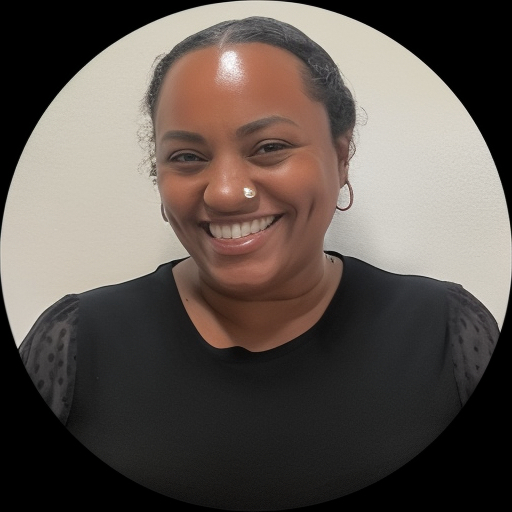
Cheryl Marrow
LPC, LMFT
Licensed counselor for relationships and addictions
- Addictions
- Relationship
- Family
Licensed professional counselors
20 counselors in this directory hold a license issued in District of Columbia. Sessions are online, but a counselor can normally only work with people located in a state where they hold a license, so check the license panel on each profile. Depending on the state, the license may be called LPC, LPCC or LCPC.
Welcome to our directory of online therapists serving the District of Columbia. All therapists listed here are licensed to practice in the District of Columbia. Explore the profiles below to find clinicians who match your needs, approaches, and background.
LPC, LMFT
Licensed counselor for relationships and addictions
LPC
Licensed Professional Counselor - Anxiety and Relationships
LPC, LMFT
Licensed counselor for stress and relationships
LPC
Licensed Professional Counselor - Stress and Relationship work
LPC
Licensed professional counselor - Stress and ADHD support
LPC
Licensed counselor - relationships and family issues
LPC
Licensed Professional Counselor - relationships and life transitions
LPC
Licensed Professional Counselor - Mood and stress
LPC
Licensed counselor - relationships and addictions
LPC
Licensed Professional Counselor - Stress and Anxiety
LPC
Licensed professional counselor - relationships and trauma
LPC
Licensed Professional Counselor - Addictions and Trauma
LPC
Licensed Professional Counselor - stress and anxiety focus
LPC
Licensed professional counselor - trauma and anxiety
LPC
Licensed Professional Counselor focused on relationships and trauma
LCPC, LPC
Licensed counselor - trauma and anxiety
Some links on this page are partner links. We will earn a commission if you sign up through one, at no cost to you. It does not change what you pay or the order of the listings.
If you live or work in the District of Columbia, there are many licensed clinicians who offer therapy through online sessions. Over the last several years, remote care has become a common option for people seeking counseling, and you can now connect with therapists who provide sessions from a range of settings. In the District of Columbia, regulations focus on where the client is located and whether the clinician holds an appropriate license to provide care to residents. That means you will mainly find therapists who are licensed in the District of Columbia listed in this directory, and their profiles typically indicate the issues they focus on, the therapeutic approaches they use, and other practical details such as languages spoken and years of experience.
Online therapy in the District of Columbia is offered in formats that can include video sessions, phone sessions, and text-based communication depending on a clinician's practice model. Many therapists provide intake information on their profiles so you can learn about session length, communication style, and general approach before you reach out. Because licensing and practice rules can change, therapists who list online services may describe the way they work with clients in the District of Columbia specifically, rather than making broad claims about cross-jurisdiction practice. Use the profile information to focus on approach, credentials, and areas of focus when you begin your search.
Online therapy offers a range of benefits that can fit into different lifestyles and schedules. You can save commute time and meet with a therapist from your home, workplace, or other locations where you can concentrate. That flexibility can make it easier to maintain regular sessions during busy weeks, while also reducing the time and logistical barriers that sometimes make in-person care harder to sustain. For people managing work, family responsibilities, or mobility limitations, remote sessions can provide a more practical option for consistent support.
Another benefit is that online therapy expands the pool of therapists you can consider. In a compact urban area like the District of Columbia you may already have a selection of nearby clinicians, but choosing online options allows you to prioritize a therapist's experience, clinical approaches, and cultural or language match rather than proximity alone. If you are looking for someone who lists a particular modality or who works with a specific population, focusing on those profile details can help you find a better fit. Keep in mind that fit matters: the therapeutic relationship and how well you feel heard and understood often influence progress more than any single label for an approach.
Therapists who offer online sessions in the District of Columbia often work with a wide range of concerns. You will find clinicians who list work with anxiety and depression, relationship and family challenges, grief and loss, stress management, life transitions, and parenting issues. Many profiles also note experience with trauma-related concerns, coping with chronic health conditions, career and workplace matters, and identity-related topics including LGBTQ+ issues. Some therapists describe work with substance use concerns, though treatment models and supports vary widely from clinician to clinician.
Approaches described on profiles can include cognitive-behavioral methods, psychodynamic perspectives, mindfulness-based work, and somatic-informed approaches, among others. You will also find therapists who list EMDR among their approaches and those who emphasize culturally responsive or multilingual care. When a profile lists an approach, it indicates the clinician uses those methods in their practice, but it is not evidence of a particular certification or training level. Use the profile descriptions to identify clinicians who describe experience with the specific challenges you face and who communicate an approach that resonates with you.
Verifying a therapist's license helps you confirm that a clinician is authorized to practice in the District of Columbia. Start by locating the exact name that appears on the therapist's profile and any license number that may be listed. The District of Columbia maintains public tools and resources for checking professional licensure and disciplinary records. On a licensing lookup, you can typically confirm the license type, current status, expiration date, and whether there are any public disciplinary actions. If a profile lists degrees or credential abbreviations, you can verify those details against the licensure record as well.
If you prefer a direct approach, you can contact the appropriate District agency by phone or email to request verification steps and guidance. Keep in mind that licensing terminology varies by profession - counselors, social workers, psychologists, and marriage and family therapists may each be regulated under different divisions or boards within the District government. If you are unsure which board governs a particular license type, the District government website provides guidance on how to find the correct licensing authority. Confirming licensure gives you factual information about a clinician's standing and any public record items that may be relevant to your decision.
When you are ready to reach out to a therapist, start by clarifying your goals. Think about what you want to address in therapy, whether you prefer short-term skills work or longer-term exploration, and any practical needs such as language preference or cultural familiarity. Use search filters on profiles to narrow candidates by issues, therapeutic approaches, and languages spoken. Read each profile carefully to understand how a therapist describes their work and the populations they serve. Profiles often include information about session format, typical session length, and general expectations for the therapeutic relationship.
As you review profiles, consider questions you might want to ask during an initial conversation. You may want to ask about a therapist's experience with the specific concerns you have, how they structure early sessions, and how they approach measuring progress. You can also ask about logistical details such as session length, fees, and payment methods, including whether they provide documentation for insurance reimbursement. It is reasonable to inquire about how they handle privacy and data practices for online sessions, what technology platforms they use, and what to expect if you need to change or pause care. These practical details can shape whether a clinician is a good fit.
When you contact a therapist, you might be asked to complete a brief intake form or to schedule an initial consultation. That first outreach is an opportunity to share a concise summary of what brings you to therapy and to ask any initial questions you have. During an early session you can discuss your goals, preferences for structure, and any concerns about the online format. Many therapists will outline information-sharing boundaries practices and informed consent as part of intake; listening for how they explain these points can help you decide whether their style matches your needs. Trust your impressions about communication style and whether you feel heard in that first exchange.
Choosing a therapist is a personal process and it is normal to consider several profiles before deciding who to contact. Focus on the match between your needs and the clinician's experience, languages, approach, and the way they describe their work. If something about a profile raises questions, reach out and ask. A clear conversation about goals and logistics can help you move forward with confidence and find a clinician whose approach and professional background align with what you are looking for in therapy.