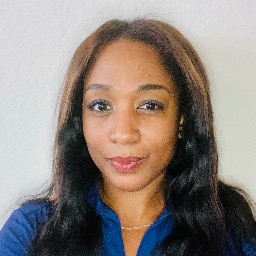
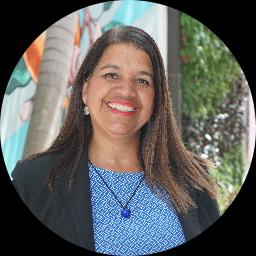
David Gibbs
LMHC, LPCC
Licensed counselor - stress and addictions
- Stress, Anxiety
- Addictions
- Relationship
Licensed professional counselors
135 counselors in this directory hold a license issued in Florida. Sessions are online, but a counselor can normally only work with people located in a state where they hold a license, so check the license panel on each profile. Depending on the state, the license may be called LPC, LPCC or LCPC.
Welcome to our directory of online therapists in Florida; all listed therapists are licensed in the state. Explore the profiles below to review approaches, focus areas, credentials, languages, and experience so you can find a good match for your needs.
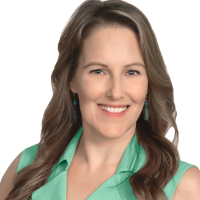
LMHC, LPCC
Licensed counselor - stress and addictions
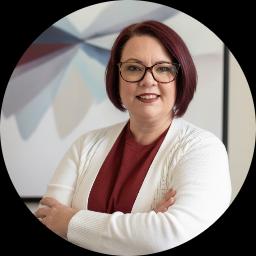
LPC, LMHC
Licensed Professional Counselor - Stress and Relationships
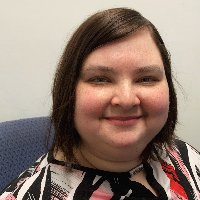
LMHC, LPC
Licensed professional counselor - stress and addictions
LPC, LMHC
Licensed counselor - anxiety and relationships
LCPC, LPC
Licensed counselor - relationships and trauma
LMHC, LPC
Licensed counselor - Stress and relationships
LPC, LMHC
Licensed counselor - anxiety and relationships
LPC, LMHC
Licensed counselor - trauma and relationships
LMHC, LPC
Licensed counselor - relationships and mood concerns
LMHC, LPCC
Licensed counselor - stress and mood concerns
LMHC, LPC
Licensed counselor - relationships and mood
LPC, LMHC
Licensed counselor - anxiety and addictions
LPCC, LMHC
Licensed counselor - Mood and coping issues
LPC, LMHC
Licensed counselor - stress and addiction support
LPC, LMHC
Licensed counselor - stress and trauma
LMHC, LPC
Mary Boyle, Licensed Counselor - mood and relationship concerns
LPC, LMHC
Licensed counselor for mood and trauma issues
LMHC, LPC
Licensed counselor - relationships and mood
LPC, LMHC
Licensed counselor for anxiety and burnout
LPC, LMHC
Licensed counselor for intimacy and self-esteem
LPC, LMHC
Licensed counselor - anxiety and life changes
LPC, LCPC
Licensed Professional Counselor - Addictions and Trauma
LMHC, LPC
Licensed counselor - anxiety and trauma
LMHC, LPC
Licensed counselor - mood and trauma focus
LPC, LMHC
Licensed counselor for stress and addiction issues
LPC, LMHC
Licensed counselor - mood and trauma
LMHC, LPC
Licensed counselor - Trauma and anxiety
LPC, LMHC
Licensed counselor - stress and anxiety
LMHC, LPC
Licensed counselor - anxiety and trauma
LCPC, LMHC
Licensed clinical counselor - anxiety and trauma
LCPC, LMHC
Licensed counselor - mood and stress concerns
LCPC, LMHC
Licensed counselor - Anxiety and relationships
LPC, LMHC
Licensed counselor - trauma and anxiety
LCPC, LMHC
Licensed counselor - mood and relationships
LPC, LMHC
Licensed counselor - anxiety and parenting
LMHC, LPC
Licensed counselor - Relationship and stress
LMHC, LPC
Licensed counselor - mood and trauma care
LCPC, LMHC
Licensed counselor - stress and relationships
Some links on this page are partner links. We will earn a commission if you sign up through one, at no cost to you. It does not change what you pay or the order of the listings.
Online therapy in Florida has become a widely used option for people seeking counseling and mental health support without traveling to an office. State regulations allow licensed mental health professionals to offer remote services to residents, and many therapists list telehealth or video sessions among their offerings. When you seek care online, you are engaging with clinicians who practice under Florida licensing rules, which are designed to govern scope of practice, ethical standards, and professional conduct. That framework is important because it means the person you work with is held to the same professional obligations whether sessions happen in person or through a digital platform.
As you explore online therapist profiles, you will notice a range of clinical approaches and specialty areas. A profile might describe a therapist who lists cognitive behavioral therapy among their approaches, or someone who notes family systems, mindfulness-based techniques, or EMDR among their approaches. Those listings reflect how a clinician describes their orientation and typical work, not a definitive measure of outcomes. Profiles also commonly include information about degrees and licensure type so you can understand the credentials each therapist reports. Reading several profiles gives you a clearer sense of how different clinicians frame their work and the populations they support.
Online therapy offers flexibility that can fit into busy schedules and varied lifestyles across Florida. You may find it easier to maintain regular sessions if you can meet with a therapist from home, a workplace break room, or another convenient setting. For people in rural areas or on barrier islands, online sessions reduce travel time and make a wider range of clinicians accessible. You might also appreciate being able to choose a therapist who speaks your preferred language or who lists specific experience with cultural or identity issues that matter to you.
Many people find that online therapy supports continuity of care during life transitions or when relocating within the state. Because online therapy allows you to connect remotely, it can help you maintain an ongoing therapeutic relationship even as schedules shift. It also lets you focus on fit and therapeutic approach when selecting a clinician, since geography is less of a limiting factor. When you participate in online sessions, pay attention to practical details like your internet connection, the privacy of your meeting location, and how comfortable you feel with the chosen technology so the process supports a constructive therapeutic relationship.
Online therapists in Florida support people with a broad range of concerns that include stress and anxiety, depression, relationship challenges, grief, life transitions, parenting and family issues, workplace strain, and identity-related topics. They also provide support for people adjusting to major life events such as relocation, retirement, or caregiving responsibilities. Many clinicians report working with clients on coping skills, emotional regulation, communication, and building healthier routines. If you have a specific focus in mind, you will often find therapists who list that area of focus on their profile, which helps you identify clinicians who routinely address similar concerns.
Some therapists list specialized approaches among their tools - for example, cognitive behavioral therapy, acceptance and commitment therapy, psychodynamic approaches, narrative therapy, or EMDR among their approaches. Mentioning an approach signals that the clinician commonly uses that framework, not that it is the only method they use or that they have a particular certification. It is also common to find therapists who note experience with particular age groups, family structures, or cultural backgrounds. When you read profiles, notice how therapists describe the kinds of problems they help with and the populations they emphasize so you can find someone whose typical work aligns with your needs.
Before you begin working with a therapist, it is wise to confirm their licensure status with the appropriate Florida regulatory board. You can look up a license by name or license number on the state licensing board website for mental health professionals. The board record will indicate whether the license is active, the license type, and any public disciplinary history. Reviewing this information helps you understand that the therapist practices under Florida law and has met the state requirements for licensure. If a profile lists credentials, use that as a starting point and then confirm details through the official state resource.
Getting started with online therapy is a sequence of practical choices. First, think about what you want to address and what matters most in a working relationship - for example, clinical approach, therapist experience with particular concerns, language, or cultural background. Use the directory filters to identify profiles that reflect those priorities and read several profiles to compare how therapists describe their work. Next, reach out to the clinician or practice using the contact method provided in the profile to ask preliminary questions about their approach and what you can expect in a session. Many therapists will describe their typical format for online sessions, such as video or telephone, as well as intake procedures and session length. As you prepare for your first meeting, choose a quiet setting where you can speak without interruption and test your device and internet connection so the session can focus on the therapeutic work rather than technical issues.
Choosing the right therapist is a personal process that combines practical details and interpersonal fit. Start by clarifying what you hope to achieve in therapy and which styles or approaches feel most relevant to your goals. When reading profiles, pay attention to how a therapist describes the populations they work with and the kinds of issues they typically address. Approach descriptions such as therapists who list cognitive behavioral therapy among their approaches or therapists who list family systems among their approaches can help you identify clinicians whose orientation aligns with your preferences.
Language and cultural competence can be essential considerations, so take note of any languages spoken or areas of cultural familiarity mentioned in profiles. You should also consider logistical preferences - for example, the typical session length or whether a therapist commonly uses a particular online format. After you narrow your options, prepare a few questions to ask during an initial contact so you can get a sense of communication style and the therapist's way of working. Trust your impressions about how comfortable you feel with a clinician; a strong therapeutic relationship often depends on mutual respect, clear communication, and a sense that the therapist understands your goals. If the first match does not feel right, you can review other profiles until you find someone whose approach and manner align with what you need.
Online therapy in Florida offers many paths for support, and taking thoughtful steps to verify credentials, clarify goals, and consider fit can help you find a clinician who suits your needs. Use the directory's profile information to compare approaches, credentials, experience, and languages so you can make an informed choice and begin the process of working toward the changes you want to see in your life.