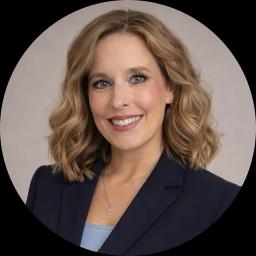
Kelly Muratorri
LPC, LMHC
Licensed counselor for trauma and stress
- Stress, Anxiety
- Trauma and abuse
- Anger
Licensed professional counselors
6 counselors in this directory hold a license issued in Iowa. Sessions are online, but a counselor can normally only work with people located in a state where they hold a license, so check the license panel on each profile. Depending on the state, the license may be called LPC, LPCC or LCPC.
Welcome to our directory of online therapists serving Iowa. All therapists listed here are licensed in Iowa. Explore profiles to compare specialties, approaches, and languages to find someone who fits your needs.
LPC, LMHC
Licensed counselor for trauma and stress
LCPC
Licensed Clinical Professional Counselor - Relationships and Family
LPC, LMHC
Licensed counselor - addiction and anxiety care
LPC, LMHC
Licensed counselor - stress and trauma
Some links on this page are partner links. We will earn a commission if you sign up through one, at no cost to you. It does not change what you pay or the order of the listings.
Online therapy has become a commonly used option for people across Iowa who want counseling without the need to travel to an office. In recent years, many licensed mental health professionals in the state have added teletherapy as a way to reach clients who live in rural communities, have caregiving responsibilities, or prefer the convenience of remote sessions. When you look for a therapist here, you will find practitioners offering video sessions, phone sessions, or a mix of remote and in-person care. Each therapist profile will typically note the types of remote services they offer along with the populations they work with most often.
The regulatory environment in Iowa requires clinicians to hold appropriate licensure for the services they provide in the state. That means therapists listed in this directory are licensed under Iowa rules and are authorized to practice within the state. If you live in Iowa and choose online therapy, you will generally work with a clinician who understands local practice standards and regulations. Knowing that a clinician is licensed in Iowa can help you feel confident that they meet the state requirements for professional practice and ethical standards.
You may find that online therapy fits your lifestyle in ways that in-person therapy sometimes cannot. For residents of small towns and agricultural areas, online sessions remove long commutes and make it easier to keep appointments during busy seasons. If you balance work, childcare, or eldercare, teletherapy can offer scheduling flexibility that helps you maintain consistent care. Online therapy also reduces the time you spend getting to and from appointments, allowing you to use that time for self-care, work, or family responsibilities.
Online therapy can also help you access clinicians with particular expertise who may not be located near you. Because you are not limited by geography, you can connect with therapists who work with specific concerns, speak your preferred language, or share your cultural background. Many people report that remote sessions create a comfortable environment for opening up, since you can speak from a familiar place in your home. If mobility or transportation is a challenge for you, teletherapy can make mental health support more manageable and consistent.
Online therapists in Iowa work with a wide range of concerns that individuals, couples, and families bring to counseling. You can expect to find clinicians who commonly address anxiety, depression, relationship stress, grief, and major life transitions such as divorce, relocation, or career change. Therapists also often support people dealing with parenting challenges, adjustment to chronic illness, and the emotional effects of caregiving. If you are coping with trauma or ongoing stress, many therapists list trauma-informed approaches among their areas of focus.
When you search profiles, you may notice therapists who list specific approaches such as cognitive behavioral therapy, mindfulness-based methods, acceptance and commitment therapy, or emotionally focused approaches. If you are interested in trauma work, you might encounter therapists who list EMDR among their approaches - remember that this listing reflects an approach the therapist uses, not a certification stated here. Similarly, some clinicians will note experience working with adolescents, older adults, veterans, or LGBTQ+ clients. Reading profiles can help you identify therapists whose focus areas and approaches align with the challenges you're facing.
Verifying a therapist's license is an important step if you want to confirm that a clinician is authorized to practice in Iowa. A typical first step is to find the therapist's license number on their profile and then search the Iowa licensing board's online verification tool. Most licensing boards allow you to look up a practitioner by name or license number to confirm active status, the type of license held, and any disciplinary history. If you prefer, you can call the licensing board directly to ask about a clinician's standing and any public records related to their practice.
When you review licensure information, pay attention to the license type and the date of issuance or renewal. Different license classes indicate different scopes of practice, such as mental health counseling, social work, or marriage and family therapy. If a profile lists advanced degrees or credentials, you can cross-check degree titles and graduate program details with the information on file with the board. If you have questions about what a license type means for the care you need, you can ask the clinician to explain their background, education, and the populations they work with most often.
Starting online therapy usually begins with browsing profiles to identify a few clinicians whose specialties and approaches match your needs. Once you find profiles that look promising, reach out via the contact information provided to request an initial conversation. In that first exchange you can ask practical questions about session format, typical session length, fees, and whether the therapist offers a sliding scale or accepts insurance. It is reasonable to inquire about language skills, cultural competence, and experience with concerns similar to yours.
Before your first session, make a plan for the logistics of teletherapy. Choose a quiet spot where you feel comfortable talking and where interruptions will be minimal. Check your internet connection, camera, and microphone so technology does not get in the way of the session. Ask the clinician about their informed consent process and what to expect in terms of record keeping, session cancellation policies, and emergency procedures. Because teletherapy means you are located in Iowa during sessions, your therapist can help you identify local crisis resources and how to access urgent help if needed.
Choosing the right therapist is a personal decision that balances professional fit, interpersonal comfort, and practical concerns. Start by narrowing profiles to clinicians who list the issues you want to address and who describe approaches you are comfortable with. If you prefer a practical, skills-based approach, therapists who list cognitive behavioral methods may align with your goals. If you want a focus on emotion and relationships, look for clinicians who describe relational or experiential approaches. Remember that lists of approaches on profiles indicate what clinicians include among their methods rather than a guarantee of specific certifications.
Consider the therapist's experience with populations similar to yours, such as working with teens, older adults, people from specific cultural backgrounds, or those navigating life transitions you are facing. Language options can matter if you prefer to speak in a language other than English. Practical details like session length, fee structure, and insurance participation also play a role. Once you begin sessions, give attention to the working relationship - the sense of being heard, the clarity of proposed goals, and whether the therapist's style helps you make progress. It is normal to try more than one clinician before you find a good match, and many people refine their preferences as they gain experience in therapy.
Above all, trust your judgement about the therapeutic relationship. Your comfort with the therapist's communication style, pace, and approach will shape the work you do together. If you ever have questions about methods, timelines, or expected outcomes, bring them to your therapist and ask for clarification. Open communication about goals and how you want to work can make remote therapy a meaningful and effective part of your well-being plan while you live in Iowa.