Licensed professional counselors
Counselors licensed in Louisiana
241 counselors in this directory hold a license issued in Louisiana. Sessions are online, but a counselor can normally only work with people located in a state where they hold a license, so check the license panel on each profile. Depending on the state, the license may be called LPC, LPCC or LCPC.
Welcome to our directory of online therapists serving Louisiana. All therapists listed here are licensed in Louisiana - explore profiles to compare approaches, credentials, languages, and focus areas.



Keesha Turner
LPC
Licensed Professional Counselor - Relationships and Trauma
- Stress, Anxiety
- Relationship
- Family


Robert Nijjar
LPC
Licensed Professional Counselor - Stress and Life Changes
- Stress, Anxiety
- Addictions
- Relationship


Tamiko Brown
LPC
Licensed Professional Counselor - Stress and Relationships
- Stress, Anxiety
- Relationship
- Anger


Pamella Divinity
LPC
Licensed counselor - relationship and mood concerns
- Stress, Anxiety
- Trauma and abuse
- Anger

Christen Johnson
LPC
Licensed counselor - anxiety and relationships
- Stress, Anxiety
- Relationship
- Trauma and abuse


Camille Kean
LPC
Licensed professional counselor - anxiety and mood
- Stress, Anxiety
- Relationship
- Family


Tori Mays
LPC
Licensed counselor focusing on anxiety and life changes
- Stress, Anxiety
- Grief
- Self esteem


Ryan Martin
LPC
Licensed counselor - relationships and mood
- Stress, Anxiety
- Relationship
- Trauma and abuse





Dr. Tanya Harrell
LPC
Dr. Tanya Harrell - LPC, stress and trauma care
- Stress, Anxiety
- Family
- Trauma and abuse

Benjamin Smith
LPC
Licensed counselor - stress and relationships
- Stress, Anxiety
- Relationship
- Self esteem

Mark Haase
LMFT, LPC
Licensed counselor - mood and behavior concerns
- Stress, Anxiety
- Addictions
- Eating


Tasha Dodson
LPC, LCPC
Licensed counselor - stress and mood support
- Stress, Anxiety
- Depression
- Coping with life changes

Kristen Blazio
LPC
Licensed counselor for young adults and transitions
- Stress, Anxiety
- Family
- Self esteem


Dr. Brittany Adams
LPC
Licensed Professional Counselor - Stress and Trauma focused
- Stress, Anxiety
- Trauma and abuse
- Self esteem



Kennyra Colson
LPC
Licensed Professional Counselor - Stress and Anxiety
- Stress, Anxiety
- Addictions
- Relationship

Dr. Christi Brown
LPC
Licensed Professional Counselor - Addiction and Mood
- Stress, Anxiety
- Addictions
- Relationship

Curtis Spears
LMHC, LPC
Licensed counselor - mood and relationships
- Stress, Anxiety
- Relationship
- Family

John Hamblin
LPC
Licensed Professional Counselor - trauma and mood concerns
- Stress, Anxiety
- Family
- Trauma and abuse

Nisheka Brown
LPC
Licensed counselor - stress and relationships
- Stress, Anxiety
- Relationship
- Trauma and abuse

Kathryn White
LPC
Licensed counselor - stress and relationships
- Stress, Anxiety
- Relationship
- Self esteem

Sara Thompson
LPC
Licensed counselor - stress and trauma
- Stress, Anxiety
- Relationship
- Trauma and abuse

Dr. Carol Taylor Smith
LPC
Licensed counselor - stress and anxiety support
- Stress, Anxiety
- Grief
- Self esteem

Karen Sollberger
LPC
Licensed Professional Counselor - Stress and Anxiety
- Stress, Anxiety
- Self esteem
- Depression

Karen Fahaim
LMFT, LPC
Licensed counselor for stress and relationships
- Stress, Anxiety
- Relationship
- Family

Angelica Peterson
LPC
Licensed Professional Counselor - Anxiety and Trauma
- Stress, Anxiety
- Trauma and abuse
- Grief

Anastasia Arceneaux
LPC
Licensed Professional Counselor - Mood and Trauma
- Stress, Anxiety
- Trauma and abuse
- Parenting

Monica Hardy
LPC
Licensed counselor - self esteem and transitions
- Self esteem
- Coping with life changes

Mariama Sandifer
LPC
Licensed counselor - stress and relationships
- Stress, Anxiety
- Relationship
- Parenting
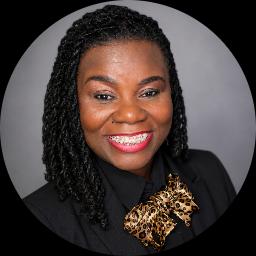

Vanessa Rubin
LPC
Licensed counselor - anxiety and trauma
- Stress, Anxiety
- Trauma and abuse
- Self esteem

Karen Rice
LPC
Licensed counselor - anxiety and relationships
- Stress, Anxiety
- Relationship
- Self esteem

Some links on this page are partner links. We will earn a commission if you sign up through one, at no cost to you. It does not change what you pay or the order of the listings.
Overview of online therapy in Louisiana
If you live in Louisiana and are considering online therapy, you are part of a growing number of people who use video and phone sessions to connect with mental health professionals. Online therapy in Louisiana includes a range of licensed clinicians who offer counseling by video, phone, or messaging, enabling you to reach a therapist from home, work, or another location that suits you. The landscape includes professionals working under different credentials, so you may find licensed professional counselors, clinical social workers, psychologists, and marriage and family therapists who provide remote services. Each credential has a distinct scope of practice and regulatory board, and the delivery of therapy across state lines is governed by licensing rules. Many therapists list their approaches, populations, languages, and settings in their profiles so you can get a sense of how they work before you reach out. Online therapy can be especially helpful if you live in a rural parish, have a demanding schedule, or prefer the convenience of a digital option. As you explore listings, you will notice differences in specialties and stated approaches; use those distinctions to focus your search on clinicians whose work aligns with your needs.
Benefits of online therapy for Louisiana residents
Convenience, accessibility, and continuity
One of the most immediate benefits you will notice is convenience. Online sessions eliminate commute time and allow you to schedule therapy around work, school, or family responsibilities. If you live in a rural area or a community with limited in-person options, online therapy can expand your access to clinicians who specialize in the concerns you want to address. Because sessions occur remotely, it is easier to maintain continuity of care when life changes - for example if you move within the state for a job or schooling, you can often continue working with the same therapist who is licensed to practice in Louisiana.
Comfort and flexibility
Many people find that engaging with a therapist from a familiar environment helps them open up more quickly. You can choose a comfortable environment at home, or another location such as a car, outdoor area, or a community room, as long as you can speak freely and have sufficient internet or phone connectivity. Teletherapy also allows for flexibility in session formats - some therapists use video for face-to-face interaction, while others incorporate phone or text-based messaging. You will want to review profile details to learn how a particular clinician prefers to deliver care and what technical requirements they recommend.
What online therapists in Louisiana commonly help with
Online therapists address a wide array of issues that people in Louisiana often bring to counseling. You can find clinicians who list experience with anxiety, depression, stress management, grief and loss, relationship concerns, parenting challenges, life transitions, and work-related stress. Many therapists also note that they work with trauma-related concerns, and you may find therapists who list EMDR among their approaches or who include trauma-informed care in their descriptions. Couples and family therapy are available remotely, with clinicians who focus on communication, conflict resolution, and co-parenting. Substance use, eating concerns, and chronic health-related adjustment are additional areas that clinicians may highlight. If you have a specific cultural, language, or community background, you can refine your search for therapists who list language skills, cultural competence, or experience with particular populations in their profiles. While online therapy can address a broad spectrum of issues, you should look for therapists whose listed focus areas match the concerns you want to work on and whose stated approaches fit your preferences for short-term or longer-term work.
How to verify a therapist's license in Louisiana
Verifying a clinician's license is an important step in choosing a therapist. First, note the credential displayed in the therapist's profile, such as Licensed Professional Counselor, Licensed Clinical Social Worker, psychologist, or marriage and family therapist. Each of these credentials is overseen by a state board, and most boards provide an online license lookup tool where you can confirm that the license is active and in good standing. You can search using the clinician's name or license number if it is provided. When you find the listing, review details such as the license type, issue and expiration dates, and any publicly available disciplinary history. If you are unsure which board to consult, look for the licensing information linked in the clinician's profile or contact the appropriate Louisiana licensing board for guidance. If you have specific concerns or questions about the scope of practice for a license type, the licensing board can clarify what the credential permits in Louisiana. Keeping a record of the license number and the date you verified the information is a practical step if you later need to follow up with the board. Remember that a profile that lists a therapeutic approach does not certify training or accreditation in that approach, so use the license verification to confirm professional standing while you review other publicly shared qualifications and experience.
How to get started with an online therapist
Beginning online therapy involves a few simple steps that help you feel prepared. Start by reviewing therapist profiles to learn about credentials, listed approaches, areas of focus, languages spoken, and the populations they mention. When a profile aligns with what you need, reach out using the contact method provided to ask any initial questions you have about their approach, session format, length, fees, and insurance policies. When contacting a therapist, you can request the clinician's license number so you can verify it with the state board. Before your first session, consider what you hope to accomplish in therapy and prepare a brief summary of your history, current concerns, and any medications or medical conditions that might be relevant. On the technical side, ensure you have reliable internet or phone access and a device with video capability if video sessions are offered. Choose a quiet space for your session where you can speak without interruption and let household members know you will be unavailable during that time. Many clinicians will provide an intake form or a brief orientation to explain how sessions will proceed, record-keeping, cancellation policies, and ways to contact them between sessions if that is part of their practice model. These steps help you enter therapy with a clear sense of expectations and make the most of your early sessions.
Tips for choosing the right online therapist
Choosing the right therapist is a personal decision and often depends on fit as much as credentials. Start by identifying what matters most to you - whether that is a therapist who focuses on a particular issue, who works with your age range or family structure, or who offers services in your preferred language. Read profiles carefully to note the approaches a clinician lists and consider whether you prefer an evidence-based method, a relational style, or a mix of techniques. If you see names of therapies in a profile, remember that this indicates the clinician lists those approaches rather than confirming formal certification. Cultural competence and alignment with your identity can be central to feeling understood, so look for clinicians who mention experience with similar backgrounds or who indicate language and community knowledge. Practical considerations such as session length, fee structure, and whether the clinician accepts your form of payment or insurance can influence your ability to engage consistently. After you begin, gauge how comfortable you feel speaking with the clinician and whether their style helps you make progress toward your goals; it is acceptable to discuss fit openly with your therapist or to look for another clinician if you do not feel it is the right match. Trust your judgment - therapy is a collaborative process, and finding a therapist whose approach and demeanor resonate with you increases the likelihood that the work will be meaningful and useful.