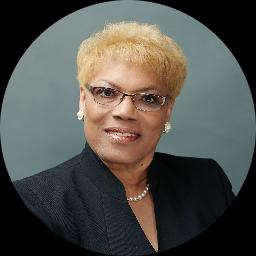
Lorraine Helferich
LCPC
Licensed Clinical Professional Counselor - trauma and anxiety
- Stress, Anxiety
- Trauma and abuse
- Self esteem
Licensed professional counselors
149 counselors in this directory hold a license issued in Maryland. Sessions are online, but a counselor can normally only work with people located in a state where they hold a license, so check the license panel on each profile. Depending on the state, the license may be called LPC, LPCC or LCPC.
Welcome to our Maryland directory for online therapists. All listed therapists are licensed in Maryland - use the listings below to explore approaches, focus areas, and languages to find a counselor who fits your needs.
LCPC
Licensed Clinical Professional Counselor - trauma and anxiety
LCPC
Licensed Clinical Professional Counselor - Addictions and Trauma
LCPC
Licensed Clinical Professional Counselor - Anxiety and Trauma
LCPC
Licensed Clinical Professional Counselor - adult issues
LCPC
Licensed counselor - anxiety and relationships
LCPC
Licensed Clinical Professional Counselor - Stress and trauma
LCPC
Licensed counselor - stress and relationships
LCPC
Licensed counselor - anxiety and relationships
LCPC
Licensed counselor - stress and anxiety
LCPC, LPC
Licensed counselor - anxiety and grief
LCPC
Licensed Clinical Professional Counselor - anxiety and trauma
LCPC, LMHC
Licensed counselor - anxiety and trauma
LPC, LCPC
Licensed Clinical Professional Counselor - Trauma and LGBTQ concerns
LCPC
Licensed Clinical Professional Counselor - Mood and Stress
LCPC
Licensed counselor - stress and relationships
LCPC
Licensed Counselor - Stress and Trauma
LCPC, LPC
Licensed counselor - relationships and stress
LCPC
Licensed Clinical Professional Counselor - Anxiety and Stress
LCPC, LPC
Licensed counselor - anxiety and relationships
LCPC
Licensed Clinical Professional Counselor - Stress and Relationships
LCPC
Licensed Clinical Professional Counselor - Relationships and Anxiety
LCPC
Licensed Clinical Professional Counselor - Stress and Addictions
LCPC
Licensed Clinical Professional Counselor - Relationships and Mood
LCPC
Licensed counselor - relationships and mood
LCPC
Licensed counselor - stress and relationships
LCPC
Licensed Clinical Professional Counselor - Anxiety and Trauma
LCPC
Licensed Clinical Professional Counselor - Anxiety and Career
LCPC
Licensed Clinical Professional Counselor - stress and anxiety
LCPC
Licensed counselor - Stress and trauma
LCPC
Licensed Clinical Professional Counselor - Stress and Anxiety
LCPC
Licensed counselor - trauma and life changes
LCPC
Licensed Clinical Professional Counselor - Anxiety and Trauma
LCPC
Licensed Clinical Professional Counselor - relationships and anxiety
LCPC
Licensed Clinical Professional Counselor - Mood and coping issues
LCPC
Licensed counselor - stress and relationships
Some links on this page are partner links. We will earn a commission if you sign up through one, at no cost to you. It does not change what you pay or the order of the listings.
If you are looking for therapy options that fit into a busy schedule or that reduce travel time, online therapy in Maryland offers a range of possibilities. You can connect with professionals who work with adults, teens, couples, and families from many parts of the state. Many therapists list a mix of individual counseling, couples work, family support, and specialty areas, and you can often filter your search by the approaches they mention, the populations they work with, and the languages they speak. Since state licensure governs the practice of counseling, therapists who provide online services to Maryland residents must hold a Maryland license. That requirement means you are connecting with someone who has met the state’s standards for education and practice, though licensed professionals may differ widely in their experience and focus. As you explore options, you will notice a range of therapeutic approaches and specialties, which can help you narrow down the therapists who might be a good fit for the concerns you want to address.
Online therapy can reduce common barriers to care such as commute time, transportation issues, and scheduling conflicts. When you opt for an online session, you can often meet from a familiar setting at home or another comfortable environment, which some people find makes it easier to open up. Online formats also expand your access to clinicians who list specific approaches or have experience with particular life circumstances that might not be available nearby. For example, you might find clinicians who list trauma-informed approaches, cognitive behavioral methods, or couples-focused work among their approaches, allowing you to select someone whose orientation aligns with your needs. Teletherapy can be especially helpful if you live in a rural part of Maryland where fewer in-person options exist. It can also allow you to maintain continuity of care if you move within the state or travel for work, while keeping your therapeutic relationship intact in a way that fits your routine.
People seek online therapy for many reasons, and Maryland clinicians commonly address concerns related to anxiety, depression, life transitions, relationship challenges, and stress management. Therapists who list approaches such as cognitive behavioral techniques, dialectical-influenced strategies, or mindfulness-based work often focus on symptom reduction and practical coping skills, while others who list relational or systemic approaches may focus more on patterns within families and partnerships. You will also find therapists who list trauma-informed approaches among their approaches and who offer support for people navigating past traumatic experiences. In addition to these common concerns, online therapists often assist people with career-related stress, grief and loss, parenting challenges, and identity-related issues. If you have concerns related to substance use, eating, or other behavioral patterns, many clinicians note those focus areas on their profiles as well. Reading profiles will help you identify therapists who emphasize the issues that matter most to you and who describe ways of working that resonate with your expectations for therapy.
When you find a clinician whose profile interests you, it is important to verify their license through the state licensing authority. You can do this by visiting the Maryland licensing board website for counselors and therapists and searching by name or license number. The board’s public lookup typically shows whether a license is current, the license type such as LPC or LCSW where applicable, and any disciplinary actions that may be on record. If you do not find a result or if you have questions about the status shown, you can contact the licensing office directly to request clarification. Verifying licensure helps you confirm that the therapist is authorized to practice in Maryland and gives you an official record of the credential listed on their profile. It is reasonable to look at the license type and the date of issuance to get a sense of how long the clinician has been licensed, while remembering that license type alone does not fully describe a clinician’s approach or experience in specific areas.
Beginning online therapy usually starts with identifying a few potential therapists who list the approaches and focus areas you prefer. Once you have a short list, you can review each profile for details about the therapist’s education, licensure, and the populations they work with. Many profiles also indicate the languages a clinician speaks and whether they work with couples, adolescents, or a particular community. After you narrow your choices, reach out via the contact method indicated on the profile to request an initial conversation or intake information. That first conversation is an opportunity to ask about the therapist’s approach, how they structure sessions, what to expect in terms of session length and frequency, and how they handle emergency situations. In addition, it is appropriate to ask how the clinician manages the practical aspects of teletherapy, such as the platform used, payment methods accepted, and their policies regarding cancellations. Entering the initial sessions with clear expectations will help you determine whether the therapist’s style and administrative procedures fit your needs.
Choosing a therapist is a personal process, and you should trust your sense of whether a clinician feels like a good match. Start by focusing on the issues you want to work on and look for therapists who list those focus areas among their specialties. Pay attention to language in profiles that describes how a therapist approaches collaboration, problem solving, and emotional support, since that will give you insight into the likely tone of sessions. You might prioritize a therapist who lists familiarity with cultural, religious, or identity-related issues that are important to you. If you prefer a particular modality, look for therapists who list that approach among their approaches, while remembering that listing an approach does not indicate a formal certification or specific hours of training. During initial conversations you can ask about how they typically structure work on the issues you brought up and what a few early goals might look like. Comfort with the therapist’s communication style and the feeling of being understood are often stronger predictors of a helpful match than any single credential. Finally, allow yourself the option to change course if the fit is not right - finding a therapeutic relationship where you feel heard and respected is the most important part of the process.
As you use the directory, keep in mind that profiles represent a snapshot of a clinician’s practice and that descriptions will vary in length and emphasis. You can use profile details to make a short list and then rely on direct conversations to learn more. If you have specific logistical needs such as language preferences, working with adolescents, or a therapist who lists experience with a particular life stage, include those factors in your search. Remember that the early sessions are a time to test compatibility and to set shared goals for your work. With patient and informed searching, you can find an online therapist in Maryland whose approach and perspective align with what you hope to accomplish in therapy.
If you are ready to begin, use the directory to browse profiles and filter by the characteristics that matter most to you. When you reach out, consider asking about session structure, how the therapist approaches the issues you named, and what communication methods they prefer outside of sessions. Verifying licensure through the Maryland licensing board adds an extra layer of clarity as you make decisions. Taking the first step may feel challenging, but choosing a clinician who understands your concerns and communicates clearly about how they work can make the process more manageable and focused on your goals.