Licensed professional counselors
Counselors licensed in Minnesota
84 counselors in this directory hold a license issued in Minnesota. Sessions are online, but a counselor can normally only work with people located in a state where they hold a license, so check the license panel on each profile. Depending on the state, the license may be called LPC, LPCC or LCPC.
Welcome to our directory of online therapists serving Minnesota. All therapists listed here are licensed in Minnesota; explore profiles, practice approaches, languages and focus areas to find a good fit.


Mitchell Daas
LPCC
Licensed counselor - anxiety and trauma
- Stress, Anxiety
- Relationship
- Trauma and abuse

Marlana Balk
LPCC
Licensed Professional Counselor - Stress and Addictions
- Stress, Anxiety
- Addictions
- Family




Alaine Lagasse
LPC, LPCC
Licensed Professional Counselor - Trauma and Mood concerns
- Stress, Anxiety
- Addictions
- Trauma and abuse

Kristin Jurkowski
LPCC
Licensed Professional Clinical Counselor - Adult concerns
- Stress, Anxiety
- Relationship
- Grief

Pietro (Pete) Martucci
LPCC
Licensed counselor - anxiety and trauma
- Stress, Anxiety
- LGBT
- Trauma and abuse


Michelle Bohmert
LPCC
Licensed counselor - addictions and relationships
- Stress, Anxiety
- Addictions
- Relationship

Molly Newman
LPCC
Licensed Professional Clinical Counselor - Anxiety and Relationships
- Stress, Anxiety
- Relationship
- Family
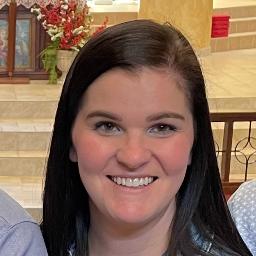
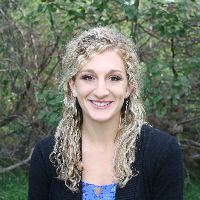
Samantha Evans
LPCC
Licensed counselor - anxiety and trauma
- Stress, Anxiety
- Trauma and abuse
- Self esteem

Rachael Finstuen
LPCC
Licensed counselor - stress and trauma care
- Stress, Anxiety
- Trauma and abuse
- Self esteem
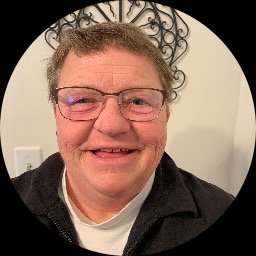

Mary VanAlstine
LPCC
Licensed Professional Clinical Counselor - LGBT and trauma
- LGBT
- Trauma and abuse
- Self esteem

Maria Morales-Abaroa
LPCC
Licensed counselor - Trauma and addiction
- Stress, Anxiety
- Addictions
- Trauma and abuse

Gracia Clark
LPC, LPCC
Licensed Professional Counselor - mood and relationship concerns
- Stress, Anxiety
- Addictions
- Relationship

Dr. Robert Bowman
LPC, LPCC
Licensed counselor for anxiety and relationships
- Stress, Anxiety
- Relationship
- Grief

Dr. Ashley Shelanski
LMHC, LPCC
Licensed counselor - mood and trauma
- Stress, Anxiety
- Trauma and abuse
- Self esteem


Christine Garwick-Foley
LPC
Licensed Professional Counselor - stress and trauma
- Stress, Anxiety
- Relationship
- Grief

Brooke Hoebing
LPCC
Licensed Professional Clinical Counselor - stress and relationships
- Stress, Anxiety
- Relationship
- Self esteem

Kenneth Roberts
LPCC
Licensed counselor - trauma and addictions
- Stress, Anxiety
- Addictions
- Trauma and abuse



Tanya Kennedy
LPCC
Licensed counselor - anxiety and trauma
- Stress, Anxiety
- Addictions
- Trauma and abuse

Dr. Kevin Stefanek
LPC
Licensed Professional Counselor - Anxiety and Life Changes
- Stress, Anxiety
- Relationship
- Self esteem

Jennifer Yahnke-Del Angel
LPCC
Licensed Professional Counselor - mood and addiction concerns
- Addictions
- Bipolar
- Depression

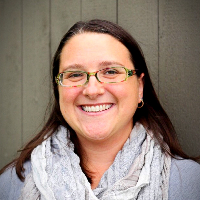
Melissa McLaurin
LPCC
Licensed Professional Counselor - trauma and family
- Stress, Anxiety
- Family
- Trauma and abuse

Beth Brantner
LPCC
Licensed Professional Clinical Counselor - Mood and Anxiety
- Stress, Anxiety
- Addictions
- Bipolar

Gina Landsee
LPCC
Licensed Professional Clinical Counselor - Addictions and Trauma
- Addictions
- Trauma and abuse
- Grief

Cadie Millard
LPCC
Licensed Professional Clinical Counselor - anxiety and trauma
- Stress, Anxiety
- Trauma and abuse
- Self esteem

Jennifer Bickford
LPCC
Licensed Clinical Counselor - Relationships and Stress
- Stress, Anxiety
- Relationship
- Family

Jessie Perkovich
LCPC, LPCC
Licensed counselor - stress and trauma
- Stress, Anxiety
- Trauma and abuse
- Grief

Jennifer Grunewald
LPCC
Licensed Professional Clinical Counselor - Stress and Addictions
- Stress, Anxiety
- Addictions
- Grief
Maggie Johnson
LPCC
Licensed Professional Clinical Counselor - anxiety and mood
- Stress, Anxiety
- Anger
- Self esteem


Michelle Spencer
LMHC, LPCC
Licensed professional counselor - stress and mood
- Stress, Anxiety
- Trauma and abuse
- Self esteem

Susan Arvidson
LPCC
Licensed counselor - anxiety and relationships
- Stress, Anxiety
- Relationship
- Trauma and abuse


Dr. Dawn Schulze
LCPC, LPC
Licensed counselor - stress and trauma
- Stress, Anxiety
- Relationship
- Trauma and abuse
Catalina Kay
LPCC
Licensed counselor - addictions and relationships
- Addictions
- Relationship
- Self esteem

Amanda Schmidt
LPCC
Licensed counselor - anxiety and addictions
- Stress, Anxiety
- Addictions
- Relationship

Ryan Plasch
LPCC
Licensed Professional Clinical Counselor - Relationships and Grief
- Relationship
- Grief
- Parenting
Some links on this page are partner links. We will earn a commission if you sign up through one, at no cost to you. It does not change what you pay or the order of the listings.
Overview of online therapy availability in Minnesota
Online therapy has become a widely used option for people across Minnesota, offering a way to access mental health support without traveling to an office. In recent years state rules have evolved to accommodate remote practice, so many licensed clinicians list telehealth among the ways they work. That means you can connect with counselors, clinical social workers, marriage and family therapists and psychologists from locations across the state, including the Twin Cities, greater Minnesota towns and rural communities. While the technical details of how sessions are delivered vary from clinician to clinician, the general model involves live video sessions, phone options and sometimes text-based messaging or online worksheets. Because licensure rules require clinicians to be licensed in the state where the client is located, the therapists in this directory are licensed to practice in Minnesota and can ethically provide online care to residents here.
Benefits of online therapy for Minnesota residents
You may find online therapy fits your life in ways that in-person sessions do not. It can remove long commutes during winter storms, reduce time off work and make it easier to schedule sessions around family responsibilities. For people living in rural or less densely populated parts of Minnesota, remote sessions can widen the pool of clinicians you can work with and increase the chance of finding someone who speaks your preferred language or focuses on the issues most relevant to you. Online therapy also lets you remain in a familiar setting during sessions, which some people find calming and practical. Technology now supports video that is clear and reliable in many areas, although you should plan for occasional connection interruptions. You will also have choices about session formats, and you can prioritize clinicians who list specific approaches or client populations that match your needs. Overall, online therapy gives you flexibility while keeping the same attention to licensure and professional standards that apply to in-person care.
What types of issues online therapists in Minnesota commonly help with
Clinicians who work online in Minnesota address a wide range of concerns. Many people seek counseling for anxiety, depression, stress management and difficult life transitions, while others pursue help for relationship challenges, parenting concerns and family dynamics. Online therapists also support people coping with grief, workplace stress, identity questions and the emotional impact of chronic health issues. Some clinicians list specialties such as trauma-focused work, and you can find therapists who list EMDR among their approaches or who note CBT, ACT, narrative therapy, family systems or other modalities among the methods they use. Therapists in the directory also indicate populations they commonly work with, such as adolescents, adults, couples or older adults, and they may note language skills that allow you to receive care in a language other than English. Remember that a therapist listing an approach does not by itself verify particular training; it simply signals the kinds of methods they use in practice.
How to verify a therapist's license in Minnesota
Verifying a therapist's license is an important step when you are comparing profiles. Most states maintain an online license lookup that lets you search by name or license number to confirm that the license is active and to view the license type. In Minnesota you can use the state's professional license lookup tool to check whether a clinician holds a license such as Licensed Professional Clinical Counselor (LPCC), Licensed Marriage and Family Therapist (LMFT), Licensed Clinical Social Worker (LCSW) or Licensed Psychologist. The lookup typically shows the license status, expiration date and any public disciplinary actions. If you prefer, you can call the licensing office to ask questions or to verify details. When you review a profile, note the exact license name and any license number the clinician provides, and match that information against the state record. That verification helps confirm the person is authorized to practice in Minnesota and gives you additional context, such as the scope of practice associated with that license type.
Getting started and tips for choosing the right therapist
Preparing to begin
When you are ready to reach out, start by reading clinician bios to understand their focus areas, the approaches they list and the populations they mention. Think about what matters most to you - whether it is working with someone who has experience with trauma, someone who works with adolescents, or a clinician who offers sessions in a specific language. You do not need to select a therapist based on a single factor; many people prioritize a combination of approach, experience and personal style. Before your first session, make sure you have a reliable internet connection and an appropriate device for video calls. Choose a quiet quiet space where you will be comfortable talking and where interruptions will be minimal. Have a notebook or a place to record thoughts so you can note what feels helpful or what questions to raise at your next session.
Comparing approaches and credentials
Profiles often list the types of therapy a clinician uses and the client issues they commonly address. If a particular therapy approach appeals to you, look for clinicians who list that approach among their methods rather than assuming a particular credential guarantees expertise in any single technique. You can learn more by reading a therapist's description of how they work and by asking questions during an introductory conversation. Inquiring about years of experience with specific populations, typical session structure and how progress is tracked can help you decide if a therapist's style matches what you need. It is also reasonable to ask how the clinician handles boundaries around technology interruptions, what the usual session length is and what forms of payment they accept or whether they work with insurance plans you use. These practical considerations can make a significant difference in how sustainable therapy is for you.
What to expect in the early sessions
Your first few online sessions are often focused on establishing a working relationship, clarifying goals and gathering relevant history. You and your therapist will likely discuss what you hope to address, how you prefer to receive feedback and how progress will be measured. If you have concerns about technology, a clinician can describe how video sessions will be run and what to do if a connection drops. Since therapy is a collaborative process, you should feel free to share your preferences about pace, focus and communication style. If something does not feel like a good fit, it is appropriate to raise that with the clinician so you can see if adjustments help. Finding the right match sometimes takes time and honest conversation about what you need in the therapeutic relationship.
Choosing an online therapist in Minnesota is a personal process that blends practical needs, therapy approaches and the interpersonal fit that emerges in early conversations. By reviewing profiles, verifying license information through the state lookup tool and preparing thoughtfully for your first sessions, you can make an informed decision about who to work with. Take your time exploring profiles and reach out to clinicians whose descriptions resonate with your priorities - that initial step can open the door to meaningful support that fits your schedule and life in Minnesota.