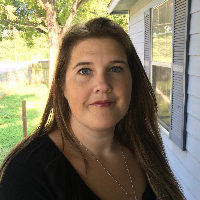
John Asuncion
LCPC, LMHC
Licensed counselor - anxiety and trauma
- Stress, Anxiety
- Trauma and abuse
- Grief
Licensed professional counselors
23 counselors in this directory hold a license issued in New York. Sessions are online, but a counselor can normally only work with people located in a state where they hold a license, so check the license panel on each profile. Depending on the state, the license may be called LPC, LPCC or LCPC.
Welcome to LPCTherapists.org's directory of online therapists serving New York. All therapists listed here hold licenses to practice in New York. Explore profiles to review approaches, languages, credentials and focus areas to find a therapist who fits your needs.
LCPC, LMHC
Licensed counselor - anxiety and trauma
LMHC, LPC
Licensed counselor - relationships and mood
LMHC, LPC
Licensed counselor - Anxiety and addictions
LMHC, LPC
Licensed counselor - anxiety and relationships
LCPC, LMHC
Licensed counselor focused on anxiety and trauma
LMHC, LPC
Licensed counselor - addictions and anxiety
LPC, LMHC
Licensed counselor - anxiety and relationships
LMHC, LPC
Licensed counselor - stress and trauma
LMHC, LPC
Licensed counselor - anxiety and trauma
LMHC, LPC
Licensed counselor - Stress and relationships
LPC, LMHC
Licensed counselor - stress and relationships
LMHC, LPC
Licensed counselor - anxiety and addiction
LMHC, LPC
Licensed counselor - stress and anxiety
LPC, LMHC
Licensed counselor - anxiety and depression
LMHC, LPC
Licensed counselor focusing on stress and relationships
LMHC, LPC
Licensed counselor - Mood and trauma support
LMHC, LCPC
Patricia Pardy, LMHC LCPC - Counseling for anxiety and family issues
LMHC, LCPC
Licensed counselor - stress and relationships
LMHC, LPC
Licensed counselor for anxiety and life changes
LMHC, LPCC
Licensed counselor - Anxiety and trauma focus
Some links on this page are partner links. We will earn a commission if you sign up through one, at no cost to you. It does not change what you pay or the order of the listings.
Online therapy in New York is widely used by people seeking flexibility, continuity of care and connection across the state. Many licensed clinicians list remote services as an option and describe their approaches, populations served and the languages they speak in their profiles. While the tools and platforms therapists use can vary, sessions typically take place over video or phone and follow a similar rhythm to in-person visits, with an intake conversation, ongoing appointments and collaborative planning between you and the clinician. If you live in New York, it is important that the clinician holds a New York license for the type of practice you need, since state rules often determine where a professional may offer services. Using an online directory can help you narrow choices by focus areas, approach and experience so you can find clinicians who align with your needs.
Because online therapy removes commutes and geographic barriers, you may find clinicians who speak your language or who have experience with specific cultural, age-related or identity-related issues. Profiles usually include a description of clinical focus and professional credentials, which allows you to assess whether a clinician's background and stated approach align with your priorities before reaching out to learn more.
Online therapy can make it easier to fit mental health care into a busy schedule, particularly if you live in a dense city, commute across boroughs or reside in a more rural part of the state. You can join sessions from your home, workplace or another quiet location without traveling, which often reduces time and logistical hurdles. For people juggling jobs, caregiving responsibilities or mobility limitations, remote sessions can offer a more manageable path to consistent care. The range of clinicians available online may also expand the pool of languages and cultural perspectives you can choose from, which is valuable in a diverse state like New York.
Beyond convenience, online sessions can support continuity if you move within the state or travel temporarily. Many clinicians who list multiple approaches allow you to explore different styles of work, and the ability to read profiles in advance lets you prioritize qualifications, therapeutic orientation and focus areas. While remote work is not the right fit for everyone, it provides an important option that can lower barriers to getting started and staying engaged in therapy.
Online clinicians in New York often describe helping people with mood concerns such as anxiety and depression, life transitions like job changes or relocation, relationship conflicts and issues related to family dynamics. Many also list experience with trauma-related symptoms, grief and loss, stress management, parenting challenges and work-related burnout. Others note work with identity-specific concerns, including LGBTQIA+ matters, cultural adjustment and the mental health needs of various age groups from adolescents to older adults. If you are managing a long-term condition or coping with episodic stressors, you can look for therapists who mention the relevant focus areas in their profiles.
It is common for clinicians to list different therapeutic approaches among their methods. For example, you may see therapists who list cognitive behavioral therapy among their approaches, or who list mindfulness-based methods, psychodynamic-informed approaches, or other frameworks. When reading profiles, pay attention to how clinicians describe their work with specific problems and what they emphasize in terms of goals and collaboration. That language can help you anticipate how a clinician might approach sessions and whether their style fits your preferences.
Before making a decision, you can verify that a clinician holds an active New York license by using the official license lookup maintained by the New York State Education Department - Office of the Professions. Search by the clinician's full name and, when available, by license number or profession such as psychologist, licensed clinical social worker or licensed mental health counselor. The lookup tool typically shows license status, issuance and expiration dates, any public disciplinary actions and the license type. Reviewing this information helps you confirm the license is current and issued for the scope of practice described in the profile.
When you view a clinician's profile, note the exact professional title they use and match it with the license category in the state database. If you have questions about an entry or see information that raises concern, you can contact the Office of the Professions for clarification. Verifying licensure is a practical step to ensure a clinician's documented credential aligns with your needs and the regulatory framework that applies when you receive services in New York.
Starting with online therapy begins with a clear sense of what you hope to achieve. Think about whether you want short-term support for a specific issue, ongoing therapy for long-standing patterns or a clinician who can address cultural or identity-related concerns. Use the directory to read clinician profiles for stated focus areas, years of experience, languages spoken and the therapeutic approaches they list. If a clinician notes specialization in working with a particular population or concern that resonates with you, that can be a helpful signal to pursue an initial conversation.
Practical considerations matter too. Confirm that the clinician lists a license for practice in New York and review any information about fees and payment methods on their profile. Consider whether you prefer a clinician who emphasizes structured approaches, such as cognitive-behavioral methods, or someone who describes a more exploratory style. Also reflect on logistical preferences like session length and whether you are comfortable meeting by video or prefer phone sessions. When you connect for an initial call, use that conversation to ask how the clinician typically approaches the issues you named, how they measure progress and what you might expect in the first few sessions. That dialogue gives you a sense of rapport and whether the clinician's communication style feels respectful and helpful to you.
Finally, prepare a quiet, uninterrupted space for sessions and check your internet connection and audio-visual setup in advance. Choose a location where you can speak freely and be comfortable, and consider using headphones if you want added discretion for sound. Remember that finding the right clinician can take a little time, and it is reasonable to sample conversations with a few practitioners until you find someone whose approach and personal style support your goals.