Licensed professional counselors
Counselors licensed in Wyoming
29 counselors in this directory hold a license issued in Wyoming. Sessions are online, but a counselor can normally only work with people located in a state where they hold a license, so check the license panel on each profile. Depending on the state, the license may be called LPC, LPCC or LCPC.
Welcome to our directory of licensed online therapists who serve Wyoming. All therapists listed here hold a Wyoming license and provide services via telehealth. Explore profiles to learn about approaches, languages, credentials, and areas of focus.


Jean-Raphael De Raoulx
LPC
Licensed Professional Counselor - Stress and Relationships
- Stress, Anxiety
- Relationship
- Self esteem
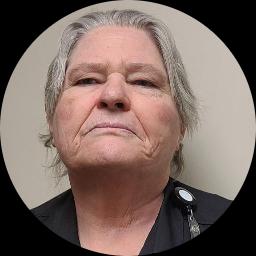
Cheryl Trembath
LPC
Licensed Professional Counselor - Stress and Addictions
- Stress, Anxiety
- Addictions
- Trauma and abuse

Dr. Crystal "Crysy" Nelson
LPC
Licensed Professional Counselor - Trauma and Addictions
- Stress, Anxiety
- Addictions
- Trauma and abuse

Roxy Hart
LPC
Licensed Professional Counselor - Relationships and Trauma
- Relationship
- Family
- Trauma and abuse

Roderick Foley
LPC
Licensed counselor - child and family work
- Stress, Anxiety
- Trauma and abuse
- Parenting


Heidi McCarty
LPC
Licensed Professional Counselor - Relationships and Trauma
- Stress, Anxiety
- Relationship
- Trauma and abuse


Holly Allen
LPC
Holly Allen, LPC - relationship and trauma counselor
- Relationship
- Trauma and abuse
- Self esteem

Brooke Bodar
LPC
Licensed Professional Counselor - stress and mood concerns
- Stress, Anxiety
- Depression
- Addictions





Sarah Bakura
LCPC, LPC
Licensed Counselor - Trauma and Mood Concerns
- Trauma and abuse
- Anger
- Depression


Nancy Preuit
LPC
Licensed Professional Counselor - anxiety and life changes
- Stress, Anxiety
- Grief
- Self esteem


Michael Witham
LPC
Licensed counselor focusing on anxiety and coping skills
- Stress, Anxiety
- Trauma and abuse
- Anger

Beatriz Grullon
LPC
Licensed Professional Counselor - Stress and Trauma
- Stress, Anxiety
- Addictions
- Trauma and abuse


Judith Coburn
LPC
Licensed Professional Counselor - relationships and life changes
- Stress, Anxiety
- Relationship
- Grief

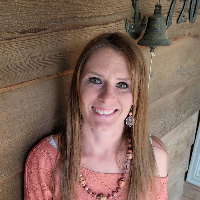

Stacey Polson
LPC
Licensed counselor - relationships and life changes
- Stress, Anxiety
- Relationship
- Family

William Richert
LPC
Licensed counselor - stress and recovery
- Stress, Anxiety
- Trauma and abuse
- Depression

Gretta Roth
LPC
Licensed Professional Counselor - Anxiety and Life Changes
- Stress, Anxiety
- Family
- Depression

Some links on this page are partner links. We will earn a commission if you sign up through one, at no cost to you. It does not change what you pay or the order of the listings.
Overview of online therapy availability in Wyoming
In recent years, online therapy has become a common way for people across Wyoming to access mental health support without needing to travel long distances. Whether you live in one of the state s towns or in a more remote area, telehealth appointments can let you connect with licensed professionals from a distance. State rules generally require that the clinician providing services to you is authorized to practice in Wyoming when the session takes place, so many therapists who serve Wyoming clients hold a Wyoming license or otherwise comply with state telehealth regulations. You will find therapists who describe a range of approaches and populations they work with, including counselors who focus on adults, adolescents, families, couples, and people managing workplace or life transitions.
Online formats vary. Some clinicians offer video sessions that mimic an in-person appointment, while others include phone-based sessions or supportive messaging as part of their work. The technology used by clinicians can differ, and it s reasonable to prefer platforms that offer protections for privacy and data. You should also consider how the format fits your needs - some people prefer the immediacy of video, while others appreciate phone or text-based options for scheduling flexibility. As you review listings, pay attention to the therapist s described approach, the populations they emphasize, and any languages they list to identify clinicians who match what you are looking for.
Benefits of online therapy for Wyoming residents
Online therapy removes common geographic barriers that can make it difficult to find a clinician who matches your needs in Wyoming. You may be able to connect with a therapist who specializes in areas that local providers do not focus on, which can be especially helpful if you have specific concerns such as trauma, chronic anxiety, or relationship issues. Telehealth can reduce travel time and make it easier to fit sessions into a busy schedule, especially if you live far from a clinic or face transportation challenges.
The convenience of online therapy often supports continuity of care. If you move within the state for work or education, maintaining a therapeutic relationship across locations can be simpler when your sessions are virtual. Online formats may also make it easier to involve family members or partners who live in different households, when that is part of the therapeutic plan. When you choose a clinician, think about how the session structure, duration, and communication style align with your preferences so you feel comfortable engaging in the work.
What types of issues online therapists in Wyoming commonly help with
Therapists who provide online services in Wyoming commonly address a wide range of concerns. Many clinicians work with people coping with depression, anxiety, stress, and life transitions such as career changes or relationship shifts. Couples counseling and family work are often offered via telehealth, with sessions adapted to include multiple participants when needed. Providers also frequently assist with grief, adjustment after loss, parenting challenges, and coping strategies for chronic health conditions that affect daily life.
Some therapists describe that they work with trauma-related concerns; in those cases you will see phrasing like therapists who list EMDR among their approaches or clinicians who mention trauma-informed care among their specialties. Others highlight work with addiction or substance-related concerns, obsessive patterns of thought and behavior, or challenges tied to workplace stress. If you have a specific issue in mind, pay attention to the language a therapist uses in their profile - terms such as anxiety, mood disorders, trauma, relationship issues, or life transitions often indicate areas of focus. Remember that a therapist s listed approaches indicate the methods they use in practice, not a guarantee of particular outcomes.
How to verify a therapist's license in Wyoming
Verifying that a clinician holds an active Wyoming license is an important step before beginning online therapy. Start by locating the license details on a therapist s profile; many listings include the license type and number. You can then use the Wyoming professional licensing board s public lookup tool to confirm that the license is active and in good standing. Search by the clinician s name or license number to find official information about license status, expiration dates, and any disciplinary history that may be recorded by the board.
Be aware of the different license titles you might encounter. Licensed professional counselor, licensed clinical social worker, marriage and family therapist, and psychologist are typical credentials, and each indicates a different professional pathway and scope of practice. If you are unsure what a particular credential means, the licensing board s website often offers definitions and explanations of scope. You can also ask a clinician directly about the license listed on their profile and request their license number if it is not provided. Confirming licensure helps you understand the regulatory framework that applies to your care and gives you access to official records if you want to review them.
How to get started with an online therapist and tips for choosing the right one
Preparing to begin
When you decide to pursue online therapy, think about practical details first. Consider whether you prefer video, phone, or messaging-based sessions, and evaluate when you will schedule appointments so the format fits your routine. Ensure you can find a quiet quiet space for sessions where you will be comfortable speaking openly. Check the technology requirements the clinician lists and test your internet connection and camera in advance if using video. It can help to prepare a short list of priorities for therapy - the concerns you want to address, the goals you hope to reach, and any constraints such as timing or cost.
Choosing a clinician who fits
As you compare profiles, look beyond modality names and focus on the clinician s described areas of focus, populations they list, years of experience, and the languages they speak. If a therapist mentions particular approaches, such as cognitive-behavioral methods, mindfulness-based work, or narrative-focused therapy, you can consider whether those styles resonate with you. For specialized methods, phrasing like therapists who list EMDR among their approaches signals that the clinician uses that method, but it does not imply a specific certification. If approach or method matters to you, ask the clinician directly about how they use it in sessions.
Think about practical factors too. Review a clinician s stated fee structure and whether they accept insurance or offer alternative payment options such as sliding-scale fees. If insurance is a factor, you can contact your insurer to confirm coverage for telehealth services and whether the clinician s license type is eligible for reimbursement. Finally, gauge fit by reaching out for an initial conversation when possible. Many clinicians will offer a brief phone or email consultation that lets you ask about their approach, how they structure work with clients, and what to expect in early sessions. Trust your impressions - the relationship with your clinician is central to the work, and it should feel professional and respectful from the outset.
Finding the right online therapist in Wyoming is a process that combines practical checks with personal preference. By confirming licensure, clarifying methods and fees, preparing your space and technology, and paying attention to the language clinicians use to describe their work, you can make an informed choice about who to approach for support. Take your time reviewing profiles and feel empowered to ask questions until you find a match that supports your goals and comfort level.