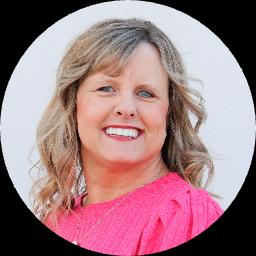
Connie Anderson, LPC
Licensed in Mississippi 9 years in practice
Connie writes plainly and keeps sessions focused on practical steps.
License and NPI
- LPC, Mississippi
- 2346 · expires June 2026
- NPI
- 1962976613 · national provider identifier
- Years in practice
- 9
- Languages
- English
Details are as listed on the therapist's public professional profile. You can check any license with the state board and any NPI with the national registry.
About Connie
Licensed Professional Counselor (LPC) in Mississippi with 9 years of experience, Connie Anderson helps people work through family concerns, trauma and abuse, grief, self-esteem, coping with life changes, stress, anxiety, relationship problems, eating issues, parenting challenges, anger, depression, and ADHD. Connie writes plainly and keeps sessions focused on practical steps. She uses conversational, client-centered methods alongside cognitive behavioral techniques.
She also incorporates trauma-focused work and EMDR when appropriate. Sessions aim to identify immediate problems and build clearer ways to manage them.
Background and approach
Her background includes a Master of Science in Counseling from William Carey University and nine years in clinical outpatient settings. That experience includes helping people with trauma, depression, anxiety, self-worth concerns, life transitions, grief and attention issues. She has worked with adoption and foster care topics, blended family concerns, caregiver stress, domestic violence impacts, and other family-related problems.
In the room she balances supportive listening with direct skill-building. That can mean learning specific thought and behavior strategies from cognitive behavioral therapy, practicing acceptance-oriented ideas from ACT, or using EMDR for trauma processing. She discusses options and helps people choose what to try first.
Conversations include setting clear goals and small steps to reach them. She helps people notice what is working and adjust approaches when needed. The focus is on practical changes that fit everyday life, not on long lectures or jargon.
Focus areas and approaches
Everything Connie lists on their public professional profile, in their own terms.
- Family conflicts
- Trauma and abuse
- Grief
- Self esteem
- Coping with life changes
- Stress, Anxiety
- Relationship issues
- Eating disorders
- Parenting issues
- Anger management
- Depression
- ADHD
- Abandonment
- Adoption and foster care
- Aging and geriatric issues
- Blended family issues
- Caregiver issues and stress
- Codependency
- Communication problems
- Control issues
- Coping with natural or human-caused disaster
- Divorce and separation
- Domestic violence
- Family problems
- Forgiveness
- Impulsivity
- Isolation / loneliness
- Men's issues
- Panic disorder and panic attacks
- Postpartum depression
- Post-traumatic stress
- Process addiction (porn, exercise, gambling)
- Self-harm
- Social anxiety and phobia
- Women's issues
- Young adult issues
Approaches Connie names
- Acceptance and Commitment Therapy (ACT)
- Client-Centered Therapy
- Cognitive Behavioral Therapy (CBT)
- Eye Movement Desensitization and Reprocessing (EMDR)
- Motivational Interviewing
- Trauma-Focused Therapy
Naming an approach is not evidence of training in it. This directory copies what each therapist lists and does not check training records.
Online support
Approaches used in online sessions
Connie often uses cognitive behavioral therapy, which focuses on identifying and changing unhelpful thoughts and behaviors. CBT is practical and can help with anxiety, depression, stress, and many everyday challenges.She also uses Acceptance and Commitment Therapy (ACT), which helps people notice difficult thoughts and feelings while choosing actions that fit their values. ACT can be useful for coping with life changes, chronic stress, and low mood.
Finding the right approach is part of the work. Connie will talk with the client about goals, preferences, and what has or hasn't helped before. Together they decide which methods to try and revisit the plan as progress is made. This is a collaborative process rather than a fixed prescription.
Confirm the current session formats before booking so you know how meetings will take place. Many people find remote sessions help fit counseling into a busy life by reducing travel and making it easier to schedule around work, school, or caregiving. Remote meetings can also let someone choose a shorter check-in when time is tight or avoid being on camera when that helps them focus.
We will earn a commission if you sign up through our link, at no cost to you. It does not change what you pay or the order of the listings.
Questions people ask
What concerns does she address most often?
She commonly helps people with family issues, trauma and abuse, grief, self-esteem, stress, anxiety, relationships, parenting, anger, depression, and ADHD.
How would you describe her therapeutic style?
Her style combines client-centered listening with practical skill-building. She uses supportive conversation alongside cognitive and trauma-focused techniques.
How much clinical experience does she have?
She has nine years of experience working in clinical outpatient settings.
What credentials and location apply to this counselor?
She holds a Master of Science in Counseling and is a Licensed Professional Counselor (LPC) in Mississippi.
Which languages are sessions offered in?
Sessions are offered in English.
Can international clients work with her?
She is not currently accepting international clients.
What should I know about cost and billing?
Cost varies with location and sessions use a subscription that can be canceled at any time.
How do I begin working with her?
Click the See online therapy options button, complete a short matching questionnaire, and schedule a first session.
More counselors licensed in Mississippi
See all
Delissa Castleberry
LPC
Licensed counselor - stress and life changes
- Stress, Anxiety
- Addictions
- Trauma and abuse


Candice Dorman
LPC
Licensed Professional Counselor - Addiction and Anxiety
- Stress, Anxiety
- Addictions
- Trauma and abuse

Surnames under A · every counselor in the directory whose surname starts with A
Is this your profile?
Ask us to correct details or take the page down.
Contact us