
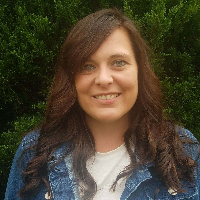
Katy Schoen, LPC
Licensed in West Virginia 4 years in practice
Licensed Professional Counselor (LPC) in West Virginia with four years of experience, Katy Schoen focuses on stress, anxiety, relationship concerns, trauma and abuse, self-esteem, career issues, grief, intimacy-related problems, anger, depression, coping with life changes, and compassion fatigue.
License and NPI
- LPC, West Virginia
- 2894 · expires June 2027
- NPI
- 1922674233 · national provider identifier
- Years in practice
- 4
- Languages
- English
Details are as listed on the therapist's public professional profile. You can check any license with the state board and any NPI with the national registry.
About Katy
Licensed Professional Counselor (LPC) in West Virginia with four years of experience, Katy Schoen focuses on stress, anxiety, relationship concerns, trauma and abuse, self-esteem, career issues, grief, intimacy-related problems, anger, depression, coping with life changes, and compassion fatigue.
She also lists additional focus areas such as abandonment, attachment issues, body image, chronic pain and illness, codependency, communication problems, control issues, family problems, forgiveness, guilt and shame, isolation, life purpose, men's issues, veteran and armed forces issues, and mood disorders.
Background and approach
Katy uses a practical style that centers on clients' strengths and goals. Katy works in straightforward, conversational sessions. She views clients as experts on their own lives and helps people identify what is already working for them.
Sessions often include discussion, practical skill-building, and checking small steps toward goals. She notes a relaxed approach and sometimes uses humor to ease difficult conversations. She does not provide Christian-based counseling, run couples sessions, or work with people under 18.
Katy also offers services to Jewish clients and acknowledges cultural pressures affecting that community. Language of service is English and her practice is based in West Virginia. Her methods draw on Acceptance and Commitment Therapy, Cognitive Behavioral Therapy, Attachment-Based Therapy, Client-Centered Therapy, and Emotionally-Focused Therapy.
These approaches are used to address thoughts, behaviors, and relationship patterns in concrete ways. Work may include learning coping techniques, clarifying values, improving communication, and addressing trauma responses. Sessions use a subscription model that can be canceled at any time.
To begin, prospective clients complete a short matching questionnaire and schedule a first session via the online therapy options. Confirm current session formats before booking if format details are important.
Focus areas and approaches
Everything Katy lists on their public professional profile, in their own terms.
- Stress, Anxiety
- Relationship issues
- Trauma and abuse
- Self esteem
- Career difficulties
- Family conflicts
- Grief
- Intimacy-related issues
- Anger management
- Depression
- Coping with life changes
- Compassion fatigue
- Abandonment
- Attachment issues
- Body image
- Chronic pain, illness, and disability
- Codependency
- Communication problems
- Control issues
- Family problems
- Forgiveness
- Guilt and shame
- Isolation / loneliness
- Life purpose
- Men's issues
- Veteran and Armed Forces Issues
- Mood disorders
- Multicultural concerns
- Narcissism
- Post-traumatic stress
- Self-love
- Sexual assault and abuse
- Sexuality
- Social anxiety and phobia
- Workplace issues
- Young adult issues
Approaches Katy names
- Acceptance and Commitment Therapy (ACT)
- Attachment-Based Therapy
- Client-Centered Therapy
- Cognitive Behavioral Therapy (CBT)
- Emotionally-Focused Therapy (EFT)
- Mindfulness Therapy
- Motivational Interviewing
- Solution-Focused Therapy
- Trauma-Focused Therapy
Naming an approach is not evidence of training in it. This directory copies what each therapist lists and does not check training records.
Online support
How therapy approaches guide online work
Acceptance and Commitment Therapy (ACT) helps people clarify what matters to them and take small actions that match those values. It often focuses on making room for difficult thoughts while committing to behavioral steps toward chosen goals. Cognitive Behavioral Therapy (CBT) looks at links between thoughts, feelings, and actions and teaches practical techniques to change unhelpful patterns. It is commonly used for anxiety, depression, and coping skills training. Attachment-Based Therapy examines relationship patterns that formed over time and how they affect current connections; it can help with trust, intimacy-related concerns, and communication difficulties.Finding the right approach is part of the work. Katy will collaborate with clients to identify which methods fit their needs, goals, and preferences. That means trying techniques, reviewing what helps, and adjusting course together as progress is observed.
Confirm which session formats are currently offered before booking, as format details are not specified here. Online sessions can make it easier to fit counseling into a busy schedule, reduce travel time, and allow shorter check-in meetings when needed. They also let people use interventions like guided exercises, structured skill practice, and values work during a regular weekday or evening slot without rearranging an entire day.
We will earn a commission if you sign up through our link, at no cost to you. It does not change what you pay or the order of the listings.
Questions people ask
What issues does she commonly address?
She works with stress, anxiety, relationship issues, trauma and abuse, self-esteem, grief, depression, anger, compassion fatigue, and related concerns.
How would you describe her therapeutic style?
Her style is relaxed and conversational, focusing on clients' strengths, practical skills, and small steps toward goals.
How much clinical experience does she have?
She has four years of professional experience as a Licensed Professional Counselor.
Where is she licensed to practice?
She is licensed as an LPC in West Virginia and practices there.
Which languages are supported for sessions?
Sessions are offered in English.
Does she work with international clients?
She is not accepting international clients at this time.
How are sessions paid for?
Sessions use a subscription that can be canceled at any time and cost varies by location.
How do I begin working with her?
Start by selecting the See online therapy options button, completing a short matching questionnaire, and scheduling a first session.
More counselors licensed in West Virginia
See all

Dr. Josalyn Ice
LPC
Licensed Professional Counselor - Trauma and Mood
- Stress, Anxiety
- Relationship
- Trauma and abuse

Surnames under S · every counselor in the directory whose surname starts with S
Is this your profile?
Ask us to correct details or take the page down.
Contact us