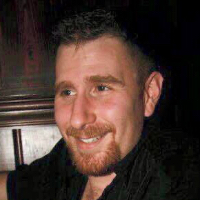
Matthew Dugan, LPC
Licensed in South Carolina 23 years in practice
Licensed Professional Counselor in South Carolina with 23 years of experience, Matthew Dugan focuses on stress, anxiety, addictions, trauma and abuse, depression, relationship and family concerns, grief, and LGBT issues.
License and NPI
- LPC, South Carolina
- 5264 · expires August 2027
- NPI
- 1255425153 · national provider identifier
- Years in practice
- 23
- Languages
- English
Details are as listed on the therapist's public professional profile. You can check any license with the state board and any NPI with the national registry.
About Matthew
Licensed Professional Counselor in South Carolina with 23 years of experience, Matthew Dugan focuses on stress, anxiety, addictions, trauma and abuse, depression, relationship and family concerns, grief, and LGBT issues. He also works with intimacy-related concerns, anger, self-esteem, career questions, bipolar disorder, compassion fatigue and coping with life changes. Matthew uses straightforward talk and practical strategies during sessions.
He draws on several therapy methods to meet different needs. Matthew uses client-centered work to listen and reflect what matters to each person.
Background and approach
He applies cognitive behavioral techniques to help people spot and change unhelpful thinking and behavior. He also uses dialectical behavior therapy tools for emotional regulation and interpersonal effectiveness. Matthew has worked in behavioral health for over two decades.
That experience includes addiction counseling and trauma-focused work. He describes helping people who face depression, bipolar disorder, anxiety, substance use concerns, and trauma-related problems. He notes particular experience with issues common in the LGBTQ+ community, such as coming out and gender dysphoria.
In sessions he mixes skills practice, problem-solving, and trauma processing when appropriate. EMDR and mindfulness approaches are part of his toolkit for processing distress and improving present-moment coping. Motivational interviewing methods appear when people are weighing change related to substance use or other habits.
He aims to reduce suffering and help people build a life they find worth living. Before booking, readers should confirm current session options and formats directly through the service they use to connect with him.
Focus areas and approaches
Everything Matthew lists on their public professional profile, in their own terms.
- Stress, Anxiety
- Addictions
- LGBT
- Trauma and abuse
- Depression
- Relationship issues
- Family conflicts
- Grief
- Intimacy-related issues
- Anger management
- Self esteem
- Career difficulties
- Bipolar disorder
- Coping with life changes
- Compassion fatigue
- Abandonment
- Co-morbidity
- Codependency
- Commitment issues
- Communication problems
- Control issues
- Coping with natural or human-caused disaster
- Divorce and separation
- Domestic violence
- Drug and alcohol addiction
- Emptiness
- Family of origin issues
- Family problems
- Forgiveness
- Gender dysphoria
- Guilt and shame
- HIV / AIDS
- Impulsivity
- Infidelity
- Isolation / loneliness
- Jealousy
- Life purpose
- Men's issues
- Midlife crisis
- Money and financial issues
- Mood disorders
- Panic disorder and panic attacks
- Personality disorders
- Phobias
- Polyamory / non-monogamous relationships
- Postpartum depression
- Post-traumatic stress
- Prejudice and discrimination
- Seasonal Affective Disorder (SAD)
- Self-harm
- Self-love
- Sexual assault and abuse
- Sexuality
- Smoking / vaping cessation
- Social anxiety and phobia
- Young adult issues
Approaches Matthew names
- Client-Centered Therapy
- Cognitive Behavioral Therapy (CBT)
- Dialectical Behavior Therapy (DBT)
- Eye Movement Desensitization and Reprocessing (EMDR)
- Mindfulness Therapy
- Motivational Interviewing
- Solution-Focused Therapy
- Trauma-Focused Therapy
Naming an approach is not evidence of training in it. This directory copies what each therapist lists and does not check training records.
Online support
How his approaches translate to online work
Client-Centered Therapy focuses on listening and reflecting so the client can clarify goals and priorities. Online sessions use those same conversational skills to help people identify what matters and set practical steps. Cognitive Behavioral Therapy (CBT) teaches skills to notice unhelpful thoughts and test them with behavioral experiments; this can work online through guided exercises, worksheets, and between-session tasks. Dialectical Behavior Therapy (DBT) offers concrete tools for emotion regulation and interpersonal effectiveness that a therapist can demonstrate and coach during virtual meetings.Choosing the right approach is a collaborative process. The therapist discusses goals, preferences, and what has or hasn't worked before. Together they decide whether to focus on skills work, trauma processing, or a mix of strategies and then adjust the plan as progress is made.
Session formats should be confirmed before booking since options depend on the platform used. Ask the service how live sessions, message-based contact, phone, or video are arranged if you want a particular format. Online counseling can make it easier to fit sessions into a busy week, reduce travel time, and use short check-ins when a full session is not needed. The therapist will work with clients to match scheduling and session type to their daily routines.
We will earn a commission if you sign up through our link, at no cost to you. It does not change what you pay or the order of the listings.
Questions people ask
What concerns does he work with most often?
He commonly works with stress, anxiety, addictions, trauma and abuse, depression, relationship and family issues, grief, and LGBT-related concerns.
How would you describe his therapeutic style?
He uses a practical, skills-based approach that includes client-centered listening, CBT strategies, DBT skills, EMDR, mindfulness, and motivational interviewing when relevant.
How much experience does he have?
He has 23 years of experience in behavioral health, including work with addiction and trauma-related conditions.
What are his credentials and where is he based?
He is an LPC licensed in South Carolina and practices from that state.
Which languages are supported?
Sessions are offered in English only.
Can international clients work with him?
He does not accept international clients at this time.
How are fees handled?
Fees vary with location and are determined by the subscription model used; the subscription can be canceled at any time.
What is the first step to start therapy?
Select the See online therapy options button, complete the short matching questionnaire, and schedule a first session.
More counselors licensed in South Carolina
See all
Ashley King
LPC
Licensed counselor - anxiety and trauma
- Trauma and abuse
- Self esteem
- Coping with life changes

Jonathan Darling
LPC
Licensed counselor - anxiety and addictions
- Stress, Anxiety
- Addictions
- Trauma and abuse

Kerry Wischusen
LPC
Licensed Professional Counselor focused on anxiety and relationships
- Stress, Anxiety
- Relationship
- Family
Annette Skeen
LPC
Licensed Professional Counselor - Stress and Trauma
- Stress, Anxiety
- Trauma and abuse
- Self esteem
Surnames under D · every counselor in the directory whose surname starts with D
Is this your profile?
Ask us to correct details or take the page down.
Contact us