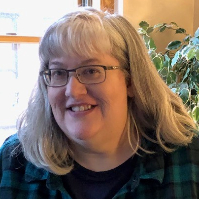
Melissa Mee, LCPC
Licensed in Idaho 19 years in practice
Licensed Clinical Professional Counselor (LCPC) licensed in Idaho with 19 years of experience, Melissa Mee helps people with depression, anxiety, bipolar disorder, trauma and abuse, self-esteem, relationship and family concerns, and stress-related issues.
License and NPI
- LCPC, Idaho
- LCPC-5144 · expires July 2026
- NPI
- 1720143977 · national provider identifier
- Years in practice
- 19
- Languages
- English
Details are as listed on the therapist's public professional profile. You can check any license with the state board and any NPI with the national registry.
About Melissa
Licensed Clinical Professional Counselor (LCPC) licensed in Idaho with 19 years of experience, Melissa Mee helps people with depression, anxiety, bipolar disorder, trauma and abuse, self-esteem, relationship and family concerns, and stress-related issues. She also addresses grief, anger, career questions, compassion fatigue, and life changes. Melissa speaks English and works from Idaho.
Melissa uses straightforward, practical methods in sessions. She often draws on Cognitive Behavioral Therapy (CBT) and Acceptance and Commitment Therapy (ACT) alongside a client-centered stance.
Background and approach
Sessions focus on identifying patterns that cause distress and trying manageable changes that fit day-to-day life. She aims to keep conversations clear and goal-oriented. Her background includes a bachelor’s degree from Cedarville University and a master’s degree from Liberty University.
Melissa has nearly two decades of clinical experience across mood disorders, post-traumatic stress, and issues related to caregiving and aging. She holds the LCPC credential listed as ID LCPC in Idaho. In practice she works step-by-step on things like coping with mood swings, navigating grief, and addressing the effects of past abuse.
She also helps people handle family of origin issues, divorce and separation concerns, and feelings of isolation or shame. Practical homework and behavior-focused strategies are part of the work when helpful. People can expect a collaborative approach that mixes skills training and open conversation.
Melissa prefers to tailor the mix of CBT, ACT, and client-centered methods to the person in front of her rather than apply a single method to everyone. To begin, readers should confirm current session options before booking.
Focus areas and approaches
Everything Melissa lists on their public professional profile, in their own terms.
- Trauma and abuse
- Grief
- Self esteem
- Bipolar disorder
- Depression
- Stress, Anxiety
- Relationship issues
- Family conflicts
- Anger management
- Career difficulties
- Coping with life changes
- Compassion fatigue
- Aging and geriatric issues
- Caregiver issues and stress
- Dissociation
- Divorce and separation
- Family of origin issues
- Forgiveness
- Guilt and shame
- Isolation / loneliness
- Life purpose
- Mood disorders
- Post-traumatic stress
- Seasonal Affective Disorder (SAD)
- Sexual assault and abuse
- Women's issues
Approaches Melissa names
Naming an approach is not evidence of training in it. This directory copies what each therapist lists and does not check training records.
Online support
How her approaches translate to online work
Acceptance and Commitment Therapy (ACT) focuses on helping people notice difficult thoughts and feelings and choose actions that match their values. It is often used for anxiety, depression, and coping with difficult life changes.Cognitive Behavioral Therapy (CBT) teaches practical skills to change unhelpful thinking and behavior patterns. CBT is commonly used for mood disorders, stress, and anxiety, with specific exercises that people can practice between sessions.
Client-Centered Therapy emphasizes listening and collaboration. The therapist follows the client’s lead and supports them in clarifying goals and making decisions.
Deciding which approach to use is part of the work. Melissa will collaborate with each person to identify what fits best based on their needs, goals, and preferences. That plan can shift as therapy progresses so methods stay useful and relevant.
If you want to work online, confirm the current session options before booking. The practical advantage of online sessions is that they can fit into daily life more easily - for example a shorter check-in during a lunch break or avoiding travel time. Talk-based methods like ACT and client-centered work adapt well to remote sessions, and CBT homework can be assigned and reviewed between meetings.
We will earn a commission if you sign up through our link, at no cost to you. It does not change what you pay or the order of the listings.
Questions people ask
What issues does she commonly address?
She works with depression, anxiety, bipolar disorder, trauma and abuse, grief, self-esteem, relationship and family concerns, stress, anger, and compassion fatigue.
How does she approach therapy?
Her style combines Cognitive Behavioral Therapy and Acceptance and Commitment Therapy with a client-centered approach. Sessions are practical and focus on skills and small behavior changes.
How much clinical experience does she have?
She has 19 years of professional experience working with mood disorders, trauma, caregiving issues, and related concerns.
What credential and location should I know about?
She holds the LCPC credential listed as ID LCPC and practices in Idaho.
Which languages are sessions offered in?
Sessions are offered in English.
Can international clients work with her?
She does not accept international clients at this time.
How are fees and billing handled?
Cost varies with location and sessions use a subscription model that can be canceled at any time.
What are the first steps to start?
Select the See online therapy options button, complete a short matching questionnaire, and schedule a first session.
More counselors licensed in Idaho
See all
Adam Smith
LPC
Licensed Professional Counselor - Stress and Addiction
- Stress, Anxiety
- Addictions
- Self esteem



Nicole O'Brien
LPC
Licensed counselor - mood and stress concerns
- Stress, Anxiety
- Addictions
- Trauma and abuse
Surnames under M · every counselor in the directory whose surname starts with M
Is this your profile?
Ask us to correct details or take the page down.
Contact us